
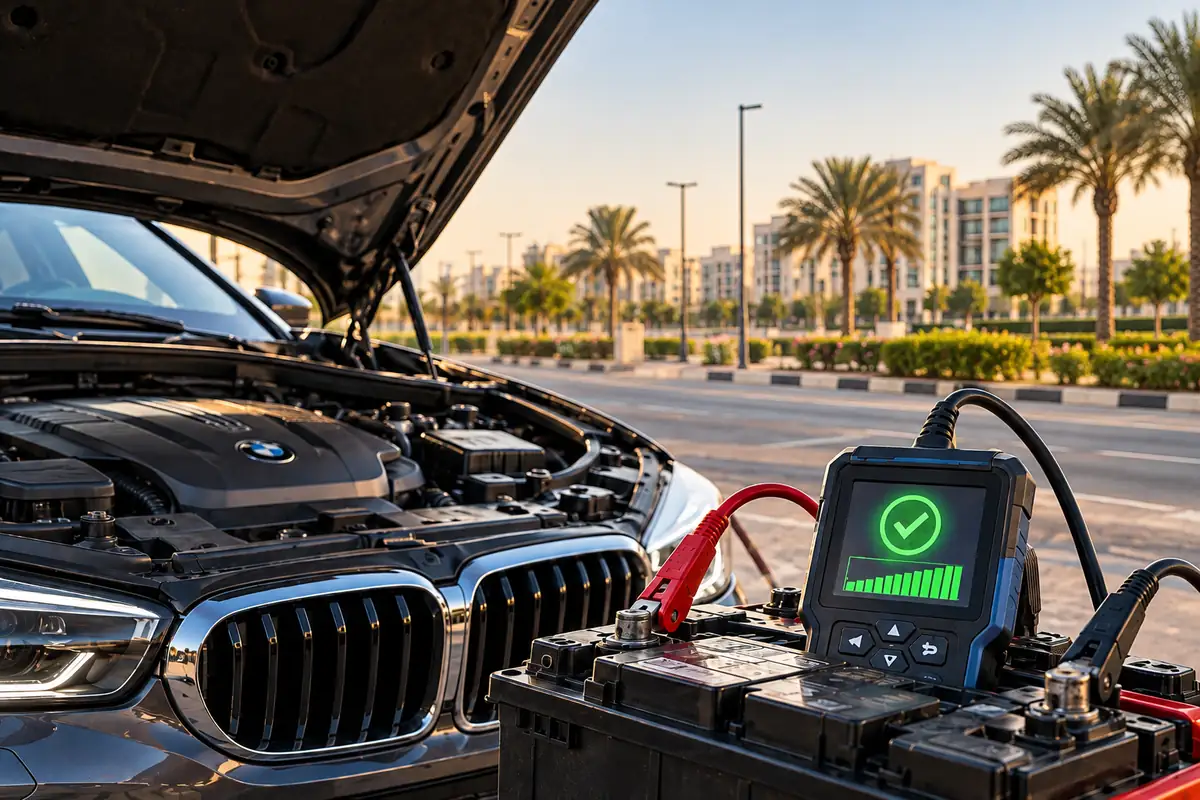
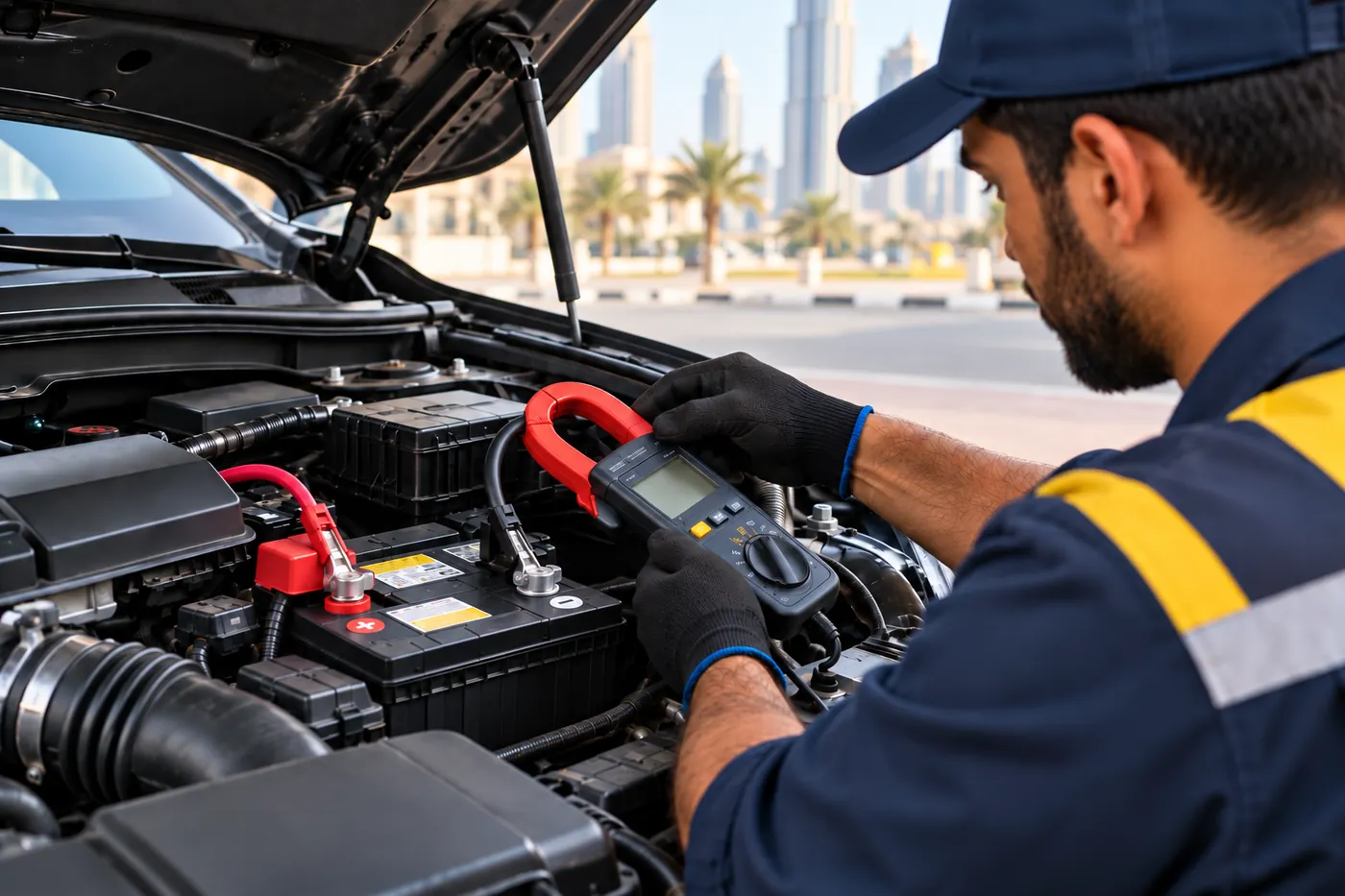
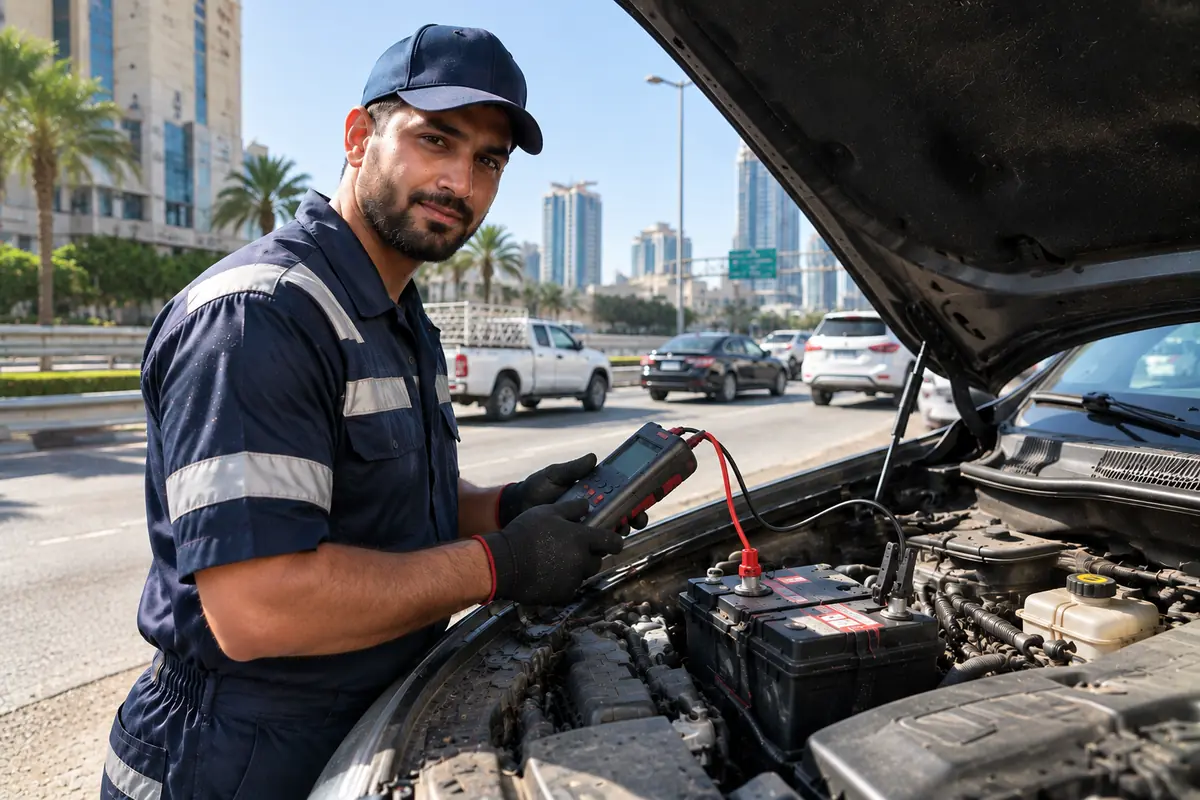
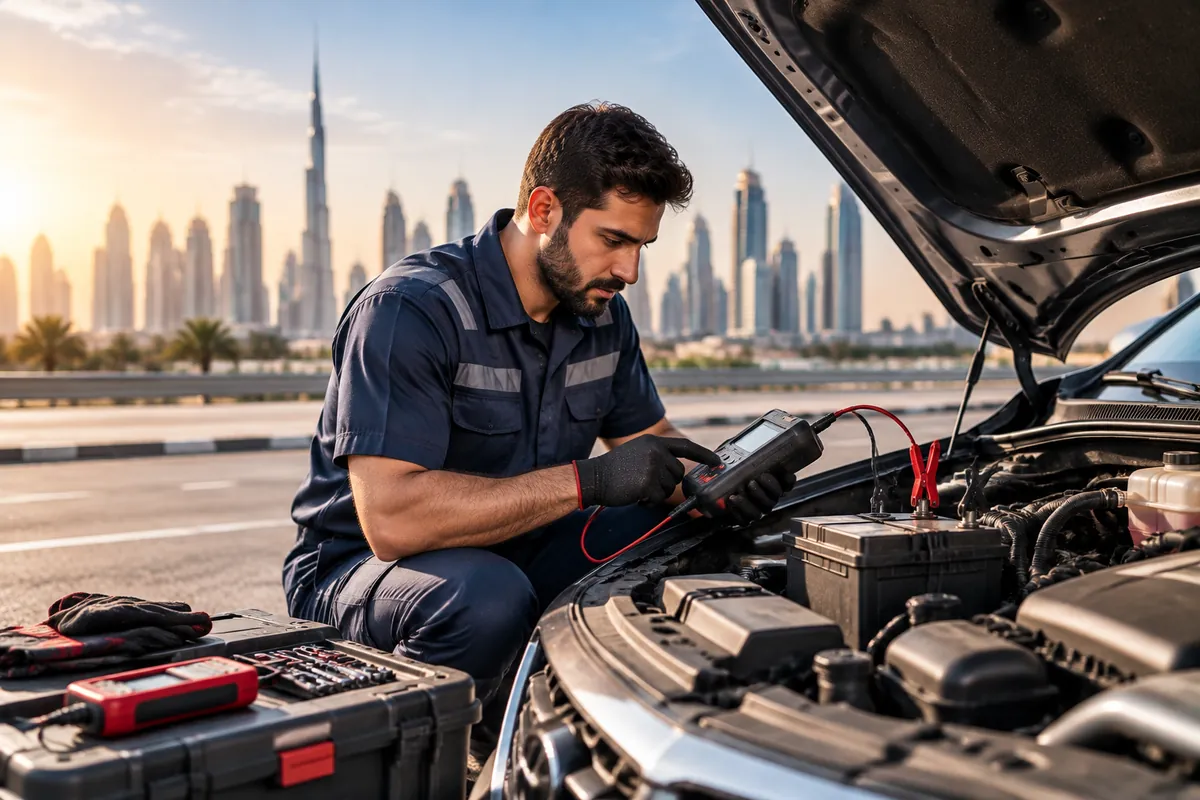

A driver starts the vehicle early in the morning and notices something unusual. The engine takes longer than normal to turn over, but the battery warning light does not appear, and the dashboard electronics still seem functional. A quick voltage check shows a normal reading, making the battery appear healthy. However, after proper testing, the real issue is discovered — increased internal resistance inside the battery is preventing it from delivering enough power when needed.
This type of hidden problem is one reason why a jump start service can sometimes solve an immediate starting issue but does not always identify the underlying battery condition. Advanced battery testing methods, including internal resistance measurement, help determine whether a battery is genuinely reliable or approaching failure.
What Is Battery Internal Resistance?
Battery internal resistance refers to the natural opposition within the battery that limits the flow of electrical current. Every battery has some level of resistance, but a healthy battery usually maintains a low resistance level that allows efficient power delivery.
As a battery ages, internal components begin to degrade. Chemical reactions become less efficient, plates may deteriorate, and the battery’s ability to transfer energy decreases. These changes increase resistance, making it harder for the battery to provide the high current required during engine starting.
Unlike simple voltage measurements, internal resistance testing reveals problems that may remain hidden during normal checks.
Why Does Internal Resistance Matter?
A vehicle battery must deliver a large amount of current within seconds when starting the engine. If internal resistance becomes too high, energy is lost inside the battery instead of reaching the starter motor.
This can create several symptoms, including:
- Slow engine cranking
- Clicking sounds during startup
- Reduced electrical performance
- Difficulty starting in extreme temperatures
- Unexpected battery failure
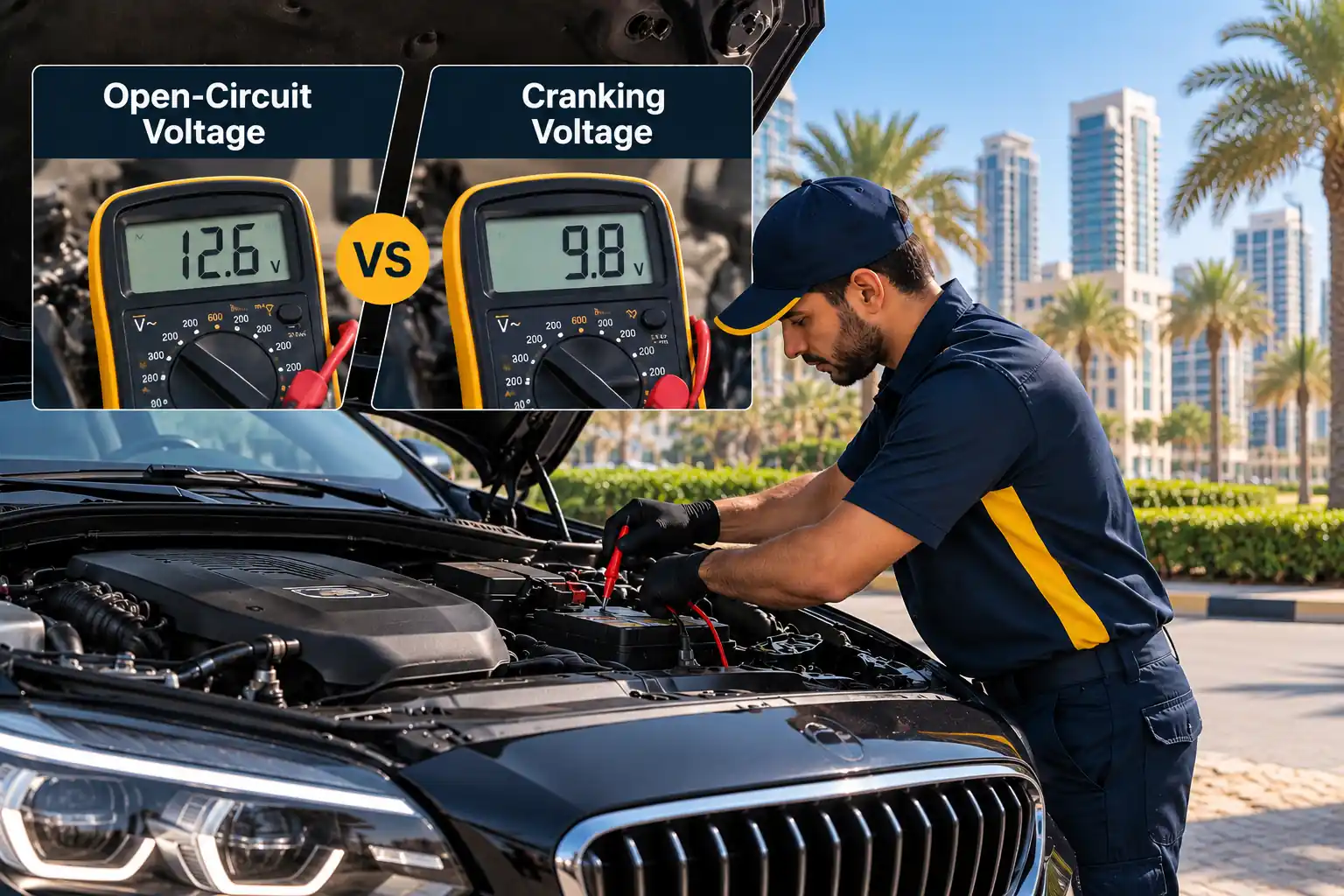
A battery can still display normal voltage while having poor performance because voltage alone does not show how efficiently the battery can deliver current under demand.
How Internal Resistance Reveals Battery Problems
Internal resistance testing provides information about the condition of the battery’s internal structure. When resistance increases, it often indicates that the battery has lost some of its ability to transfer energy effectively.
For example, two batteries may both show 12.6 volts when fully charged. However, one battery may have lower internal resistance and deliver strong starting power, while the other may struggle because energy is being lost internally.
This makes resistance measurement valuable for identifying batteries that appear normal but are close to failure.
What Causes Battery Internal Resistance to Increase?
Several factors can contribute to rising internal resistance over time.
Battery Age
As batteries get older, chemical reactions become less efficient. The internal plates and materials gradually wear down, increasing resistance and reducing overall performance.
Sulfation
Sulfation occurs when lead sulfate crystals build up on battery plates, often due to long periods of low charge. This buildup reduces the battery’s ability to accept and deliver energy efficiently.
Extreme Temperatures
Both high and low temperatures can affect battery chemistry. Excessive heat accelerates internal damage, while cold conditions make it harder for a battery with high resistance to provide sufficient starting power.
Deep Discharge Cycles
Repeatedly draining a battery too far can damage internal components and increase resistance. Vehicles with frequent electrical usage while the engine is off are more likely to experience this issue.
How Is Internal Resistance Tested?
Modern battery testers can measure internal resistance by sending small electrical signals through the battery and analysing how it responds. The test is quick and does not require fully draining the battery.
The results are usually combined with other measurements, such as voltage, cold cranking ability, and state of health, to create a complete picture of battery condition.
These advanced checks are part of technical battery analysis methods, helping technicians identify issues that traditional testing may miss.
Internal Resistance vs Battery Performance
A battery’s performance depends on more than just its charge level. A fully charged battery with high internal resistance may still fail to start a vehicle because it cannot deliver enough current when the engine demands maximum power.
This is why professional diagnostics consider multiple factors instead of relying on one measurement. Different vehicles have unique electrical systems and battery requirements, so technicians may perform detailed checks to identify the actual cause. During a BMW Jump start, battery condition is evaluated to determine whether the issue is related to battery weakness or another electrical fault.
Understanding internal resistance helps distinguish between a temporary low-charge situation and a battery that is gradually reaching the end of its service life.
Can Internal Resistance Predict Battery Failure?
Internal resistance is one of the strongest indicators of battery health because it changes as internal damage develops. A gradual increase may suggest normal aging, while a sudden rise can indicate a serious internal problem.
Monitoring resistance over time can help identify batteries that may fail before complete breakdown occurs. This is especially useful for vehicles that depend heavily on reliable starting power and electronic systems.
How to Reduce Battery Internal Resistance Problems
While internal resistance naturally increases with battery age, proper maintenance can help slow down the process.
Some useful practices include:
- Keeping the battery properly charged
- Avoiding long periods of vehicle inactivity
- Checking charging system performance
- Preventing unnecessary electrical drain
- Testing battery condition regularly
Regular diagnostics can help identify weakening batteries before they cause unexpected starting issues.
Frequently Asked Questions
1. What does battery internal resistance mean?
Battery internal resistance is the resistance inside a battery that affects how efficiently it can deliver electrical current. Higher resistance reduces the battery’s ability to provide strong starting power.
2. Can a battery have normal voltage but high internal resistance?
Yes. A battery may show a normal voltage reading while having increased internal resistance, which can prevent it from delivering enough power during engine startup.
3. How does internal resistance affect car starting performance?
High internal resistance reduces the amount of current reaching the starter motor. This can cause slow cranking, clicking sounds, or difficulty starting the vehicle.
4. Can battery internal resistance be repaired?
Internal resistance caused by aging or damaged components usually cannot be reversed. However, proper charging habits and maintenance can help slow down battery deterioration.