

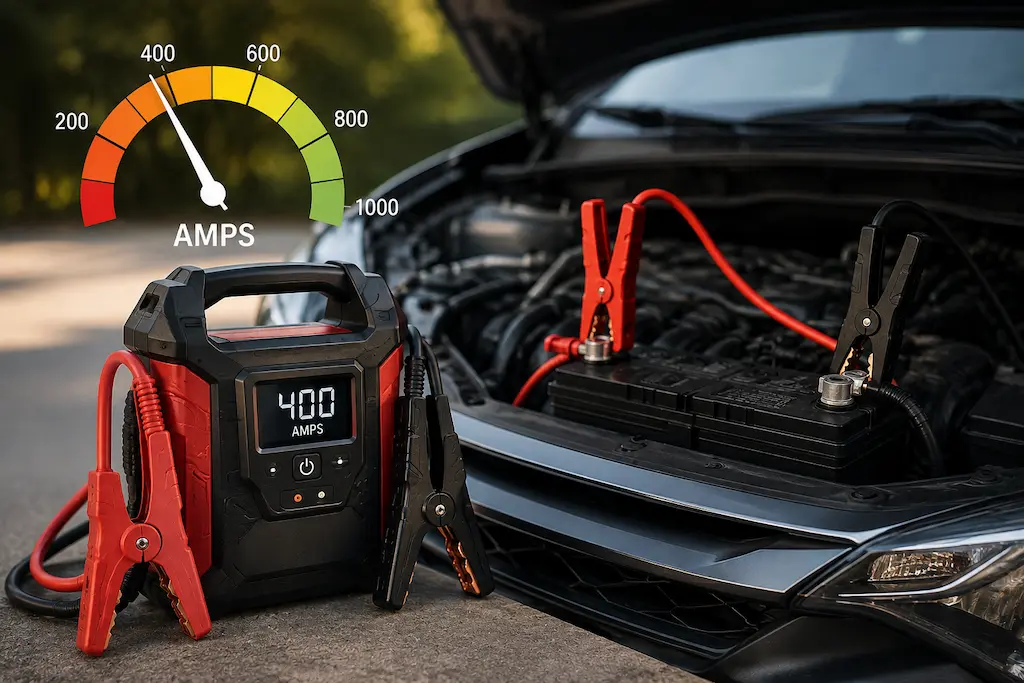
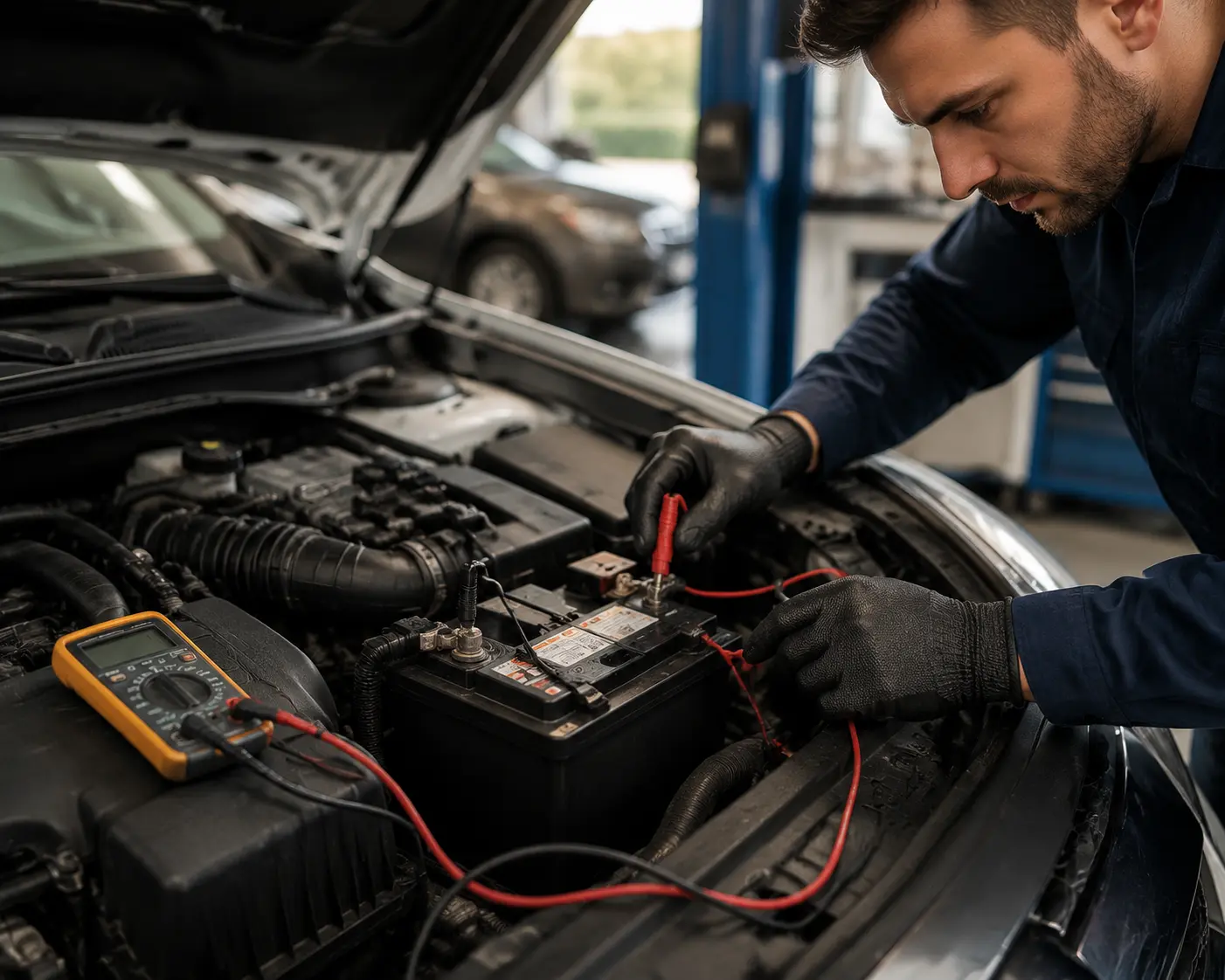


Last month, one of our technicians got a call from a driver stuck outside a mall in Business Bay. Her SUV had been jump-started twice already that week by helpful strangers, and each time it died again within a day. She wasn’t doing anything wrong with the jump start itself cables connected correctly, engine running, car back on the road. Her mistake was simple: she drove five minutes home each time and switched the engine off. The battery never actually got the chance to recharge.
This is one of the most common calls our team handles on our jump start service in Dubai a battery that keeps dying not because the jump start failed, but because of what happened or didn’t happen right after it. So how long should you actually drive after a jump start? Here’s the real answer, backed by what we see on the road every day.
Quick Answer: Drive for at least 20 to 30 minutes after a jump start, ideally at steady highway speed, to give the alternator enough time to restore a meaningful charge. A battery that was only mildly drained may recover in this window; a battery that was completely dead, old, or damaged may need much longer or may not hold a charge at all, in which case it needs replacing rather than repeated jump starts.
Why Driving Time Matters After a Jump Start
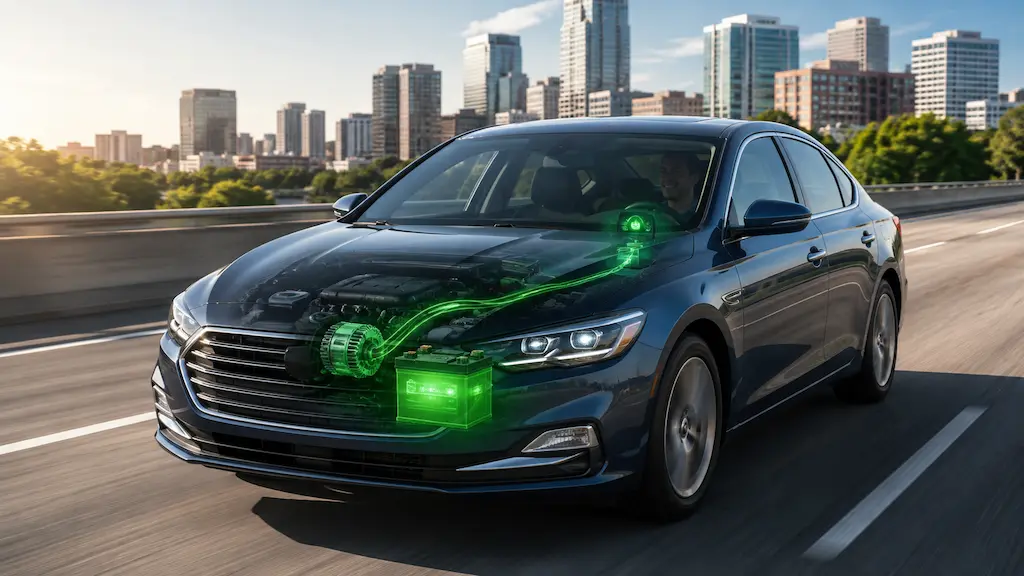
A jump start doesn’t recharge your battery, it only supplies enough power to crank the engine. Once the engine is running, it’s the alternator, not the jump pack or the donor car, that does the actual recharging. That process takes time, and cutting the drive short is exactly why some batteries seem to “die again” within hours.
Here’s what’s really happening under the hood:
- The starter motor draws a huge burst of power to crank the engine, which is what the jump pack or donor battery supplies
- Once running, the alternator takes over and slowly feeds current back into the battery
- A short 5–10 minute drive barely dents the deficit, especially if the battery was significantly drained
- Turning the engine off again before the battery is meaningfully recharged just resets the cycle
Factors That Affect How Long You Should Drive
Not every jump start needs the same recovery time. A few things change the equation:
| Factor | Effect on Driving Time |
|---|---|
| Battery age | Older batteries (3+ years) hold less charge and recharge more slowly than newer ones |
| How dead the battery was | A battery drained by headlights left on overnight needs less time than one that was completely flat |
| Driving conditions | Highway driving at steady RPM charges faster than stop-and-go city traffic |
| Electrical load | Running the AC, headlights, and infotainment system while driving slows down the recharge |
| Ambient temperature | Extreme heat, common across the UAE, accelerates battery degradation and can affect charging efficiency |
If you’ve noticed your battery struggling more often in summer, it’s worth reading our guide on how to extend your car battery’s life in hot climates, Dubai’s heat is one of the biggest hidden factors behind repeat jump starts.
What Our Technicians See on the Road
We don’t just tell drivers to “drive for a while” and leave it there. Across hundreds of roadside calls in Dubai, Sharjah, Ajman, and Ras Al Khaimah, our technicians consistently see the same pattern: cars that get jump-started and then driven for less than 15 minutes come back with the same complaint within 24 to 48 hours. Cars driven for 20+ minutes at a steady speed almost always make it through the day without another callout unless the underlying battery is already at the end of its life.
Callout: If your battery needs jump-starting more than once in a short period, driving longer won’t fix the real problem. That’s usually a sign of an aging battery or a deeper electrical issue, not something a longer drive can solve.
Signs the Battery Isn’t Recharging Properly
Even after driving the recommended 20–30 minutes, watch for these warning signs:
- The car struggles to start again the next morning
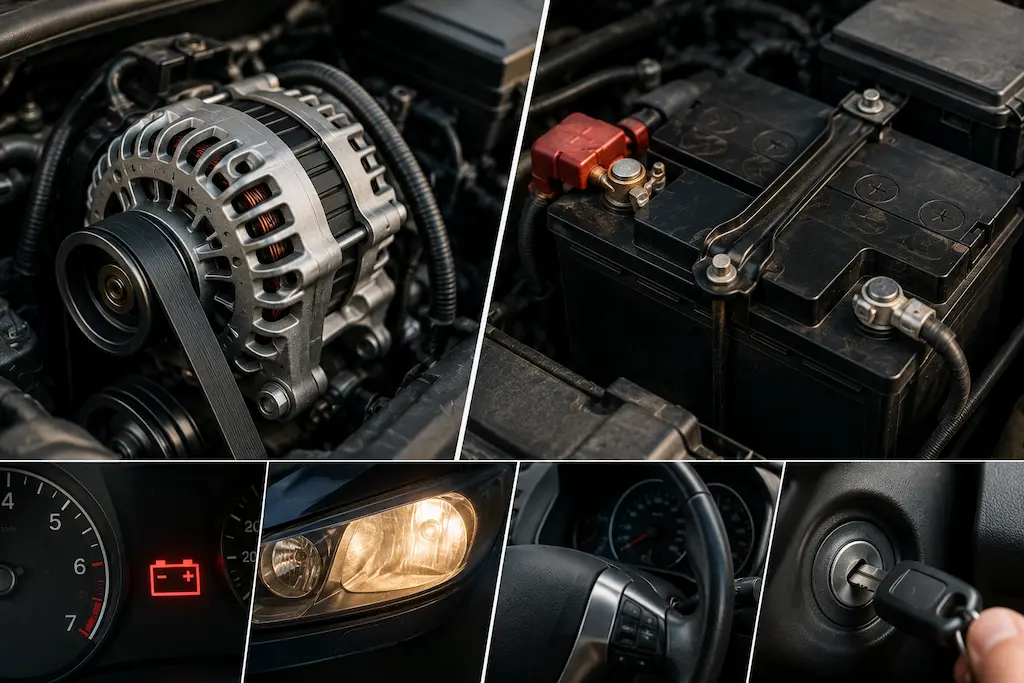
- Dashboard warning lights related to the battery or charging system stay on
- Headlights or interior lights seem dim even after driving
- The engine cranks slowly, similar to before the jump start
If any of these show up, don’t keep repeating the jump start, it’s usually a sign of a failing alternator or a battery that can no longer hold a charge. Our post on how to know a car battery is dead walks through exactly how to tell the difference.
What to Do If the Battery Won’t Hold a Charge
If you’ve driven long enough and the battery still won’t hold power, here’s the practical next step:
- Get the battery tested, not just jump-started again a load test shows whether it can actually hold charge
- Check the alternator, since a battery that keeps dying despite normal driving often points to a charging system fault, not the battery itself
- Replace the battery if it’s 3+ years old and failing repeatedly, since repeated deep discharges shorten its lifespan further
- Avoid short trips as a long-term habit if your battery is already weak, since they never give the alternator enough time to recover
Understanding what actually drains a battery in the first place also helps prevent this cycle. Our breakdown of what really causes a dead car battery covers the most common culprits we see across the UAE.
Does It Matter If the Car Is Automatic or Manual?
Not really, the recharging process depends on the alternator and engine RPM, not the transmission type. That said, if your battery was completely dead to begin with, it’s worth reviewing the correct jump-start sequence for your setup. Our guide on how to start an automatic car with a dead battery covers the exact steps to avoid damaging sensitive electronics during the jump itself.
FAQs
Can I just idle my car instead of driving after a jump start?
Idling recharges the battery far more slowly than driving, since the alternator generates more current at higher RPMs. If you can’t drive, idle for at least 30–40 minutes, but a real drive is always more effective.
Is it safe to drive immediately after a jump start?
Yes, as long as the engine started cleanly and there are no warning lights. Just avoid switching the engine off again too soon, that’s the step most drivers get wrong.
How do I know if my battery is fully recharged?
The most reliable way is a voltage or load test at a service center. As a rough guide, if the car starts normally the next day without hesitation, the battery likely recovered enough charge.
What if my car dies again right after driving 30 minutes?
That’s a strong sign the battery itself is failing rather than just discharged. At that point, a replacement is usually more practical than repeated jump starts.
Conclusion
A jump start gets your engine running, but it’s the drive afterward that actually saves the battery and cutting that drive short is the single biggest reason cars end up needing a second or third jump start within days. Aim for 20 to 30 minutes of steady driving, watch for warning signs along the way, and if the problem keeps repeating, get the battery properly tested instead of jump-starting it again and again.
If you’re stuck right now anywhere in Dubai, Sharjah, Ajman, or Ras Al Khaimah, contact our team for a fast jump start and an on-the-spot battery health check, so you know exactly how long you’ll need to drive afterward, or whether it’s time for a replacement.