
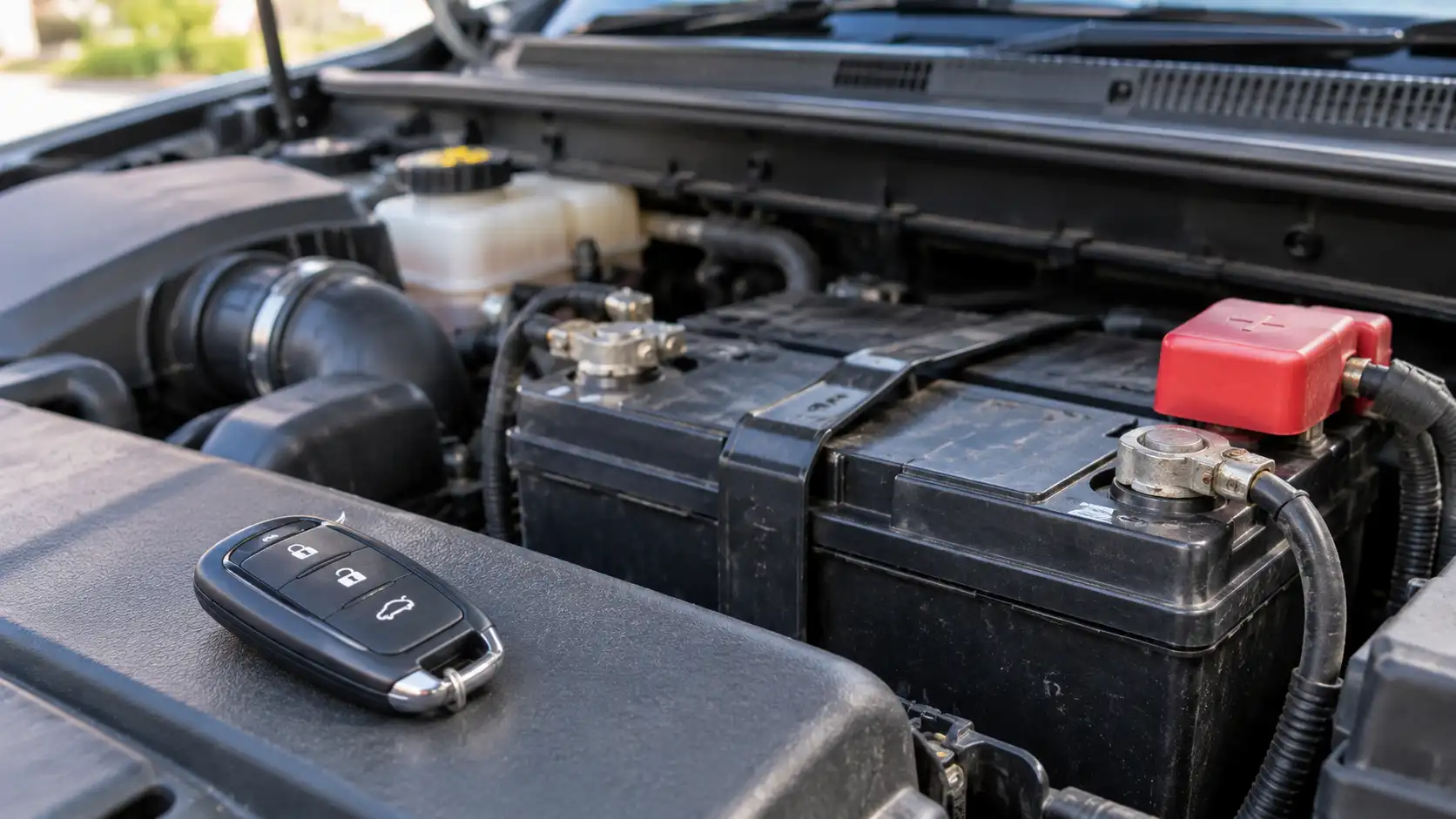
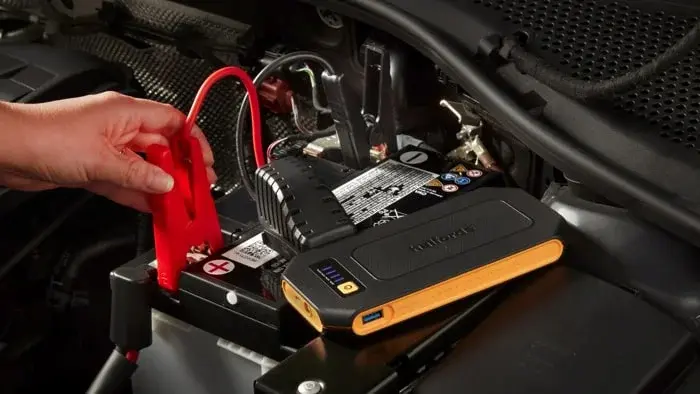
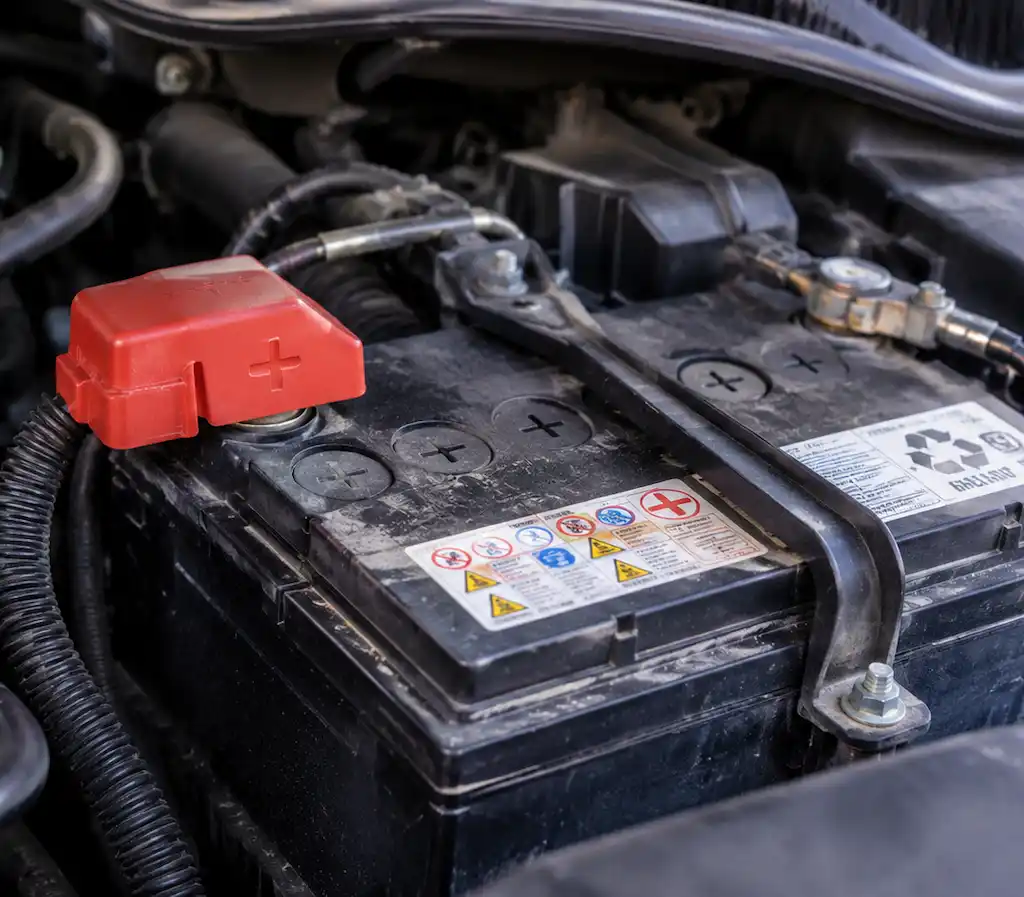
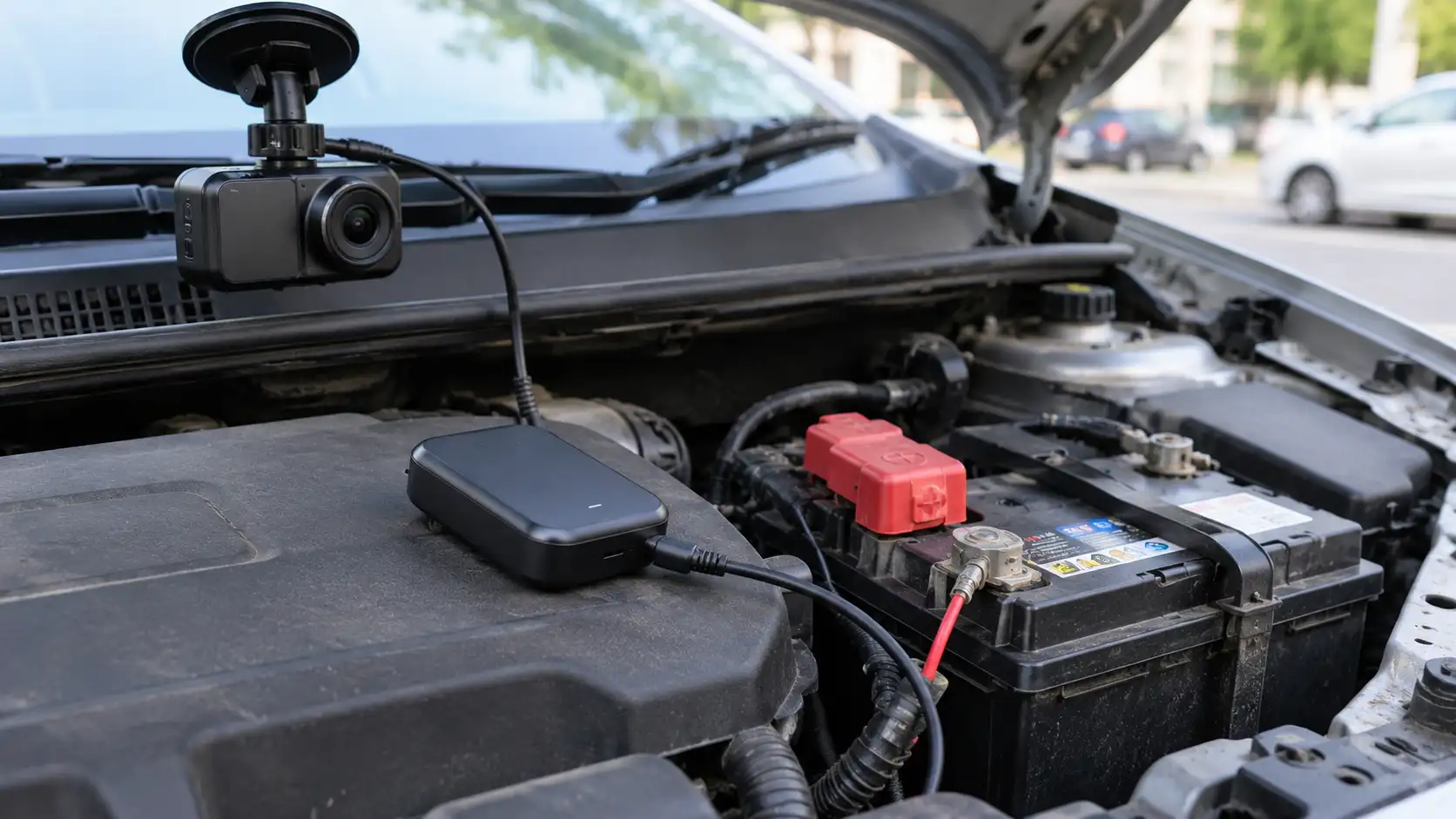
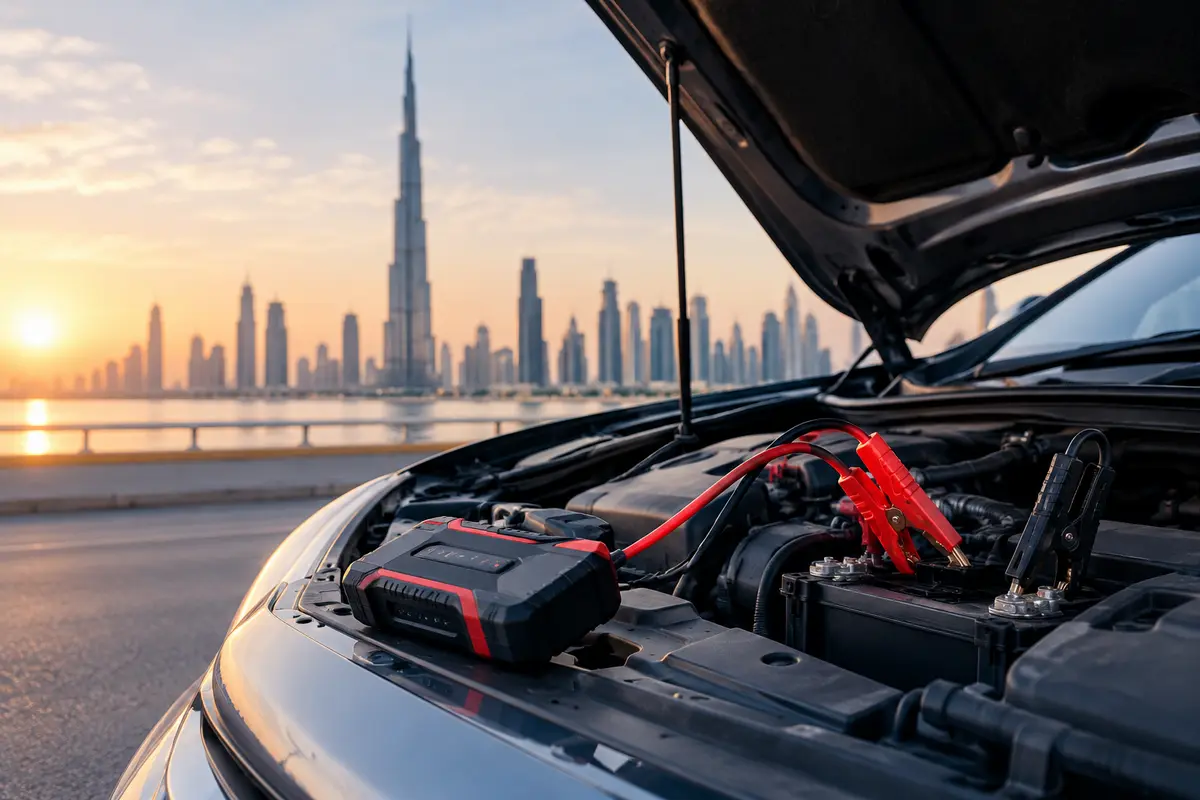

A driver installed a new dashcam before a long weekend and was pleased that parking mode recorded activity around the car. However, dashcam battery drain left the vehicle unable to start by Monday morning. A Jump start service restored power, and the battery itself passed testing. The dashcam had been wired to permanent battery power with no effective low-voltage cutoff, so it continued recording far longer than the battery could comfortably support. After the wiring and cutoff settings were corrected, the overnight failures stopped.
Aftermarket accessories can be useful, but they change the electrical load on a vehicle after the ignition is switched off. A screen going dark does not always mean the device has stopped drawing current.
The important question is how much current the accessory uses while the car is parked, how long it remains active and whether the battery has enough reserve for that operating pattern.
Why Accessories Stay Powered
Many accessories use one of two power sources: ignition-switched power or constant battery power.
A dashcam that only records while driving can use switched power. Parking surveillance, however, usually requires constant power so the camera can remain available after the car is locked.
GPS trackers also need permanent power if they are expected to report location while the vehicle is parked.
Phone chargers, USB hubs, wireless chargers and amplifiers can also remain partly active depending on how the circuit is wired.
Dashcam Accessory Battery Drain
Dashcam accessory battery drain becomes a problem when the camera’s parking mode consumes more energy than the battery can safely provide.
Some cameras record continuously. Others wake only when motion or impact is detected. The current draw can vary greatly between these modes.
A proper hardwire kit may include a voltage cutoff that disconnects the camera before the battery falls too low. Incorrect settings, poor-quality hardware or wiring directly to constant power can defeat that protection.
Why GPS Trackers Can Be Different
Trackers may appear to use very little current, but their behavior is not always constant.
A unit can wake periodically to acquire GPS position, connect to a cellular network and upload data. Weak network coverage can cause repeated connection attempts and longer awake periods.
This makes GPS-related drain easy to underestimate during a quick current test.
How This Fits a Vehicle Battery Drain Guide
A complete vehicle battery drain guide should always include recently added electronics because aftermarket devices can bypass the shutdown logic designed into the vehicle.
The factory modules may enter sleep correctly while one accessory continues drawing power directly from the battery.
That is why technicians often ask what has been installed or changed shortly before the battery problem began.
BMW and Accessory Installation
Modern BMW electrical systems monitor energy use closely, but an accessory connected outside the intended power-management path may continue operating even after factory modules shut down.
A BMW jump start after an overnight discharge should be followed by battery and current-draw testing, especially if dashcams, trackers or aftermarket audio equipment are installed.
Correct fuse selection and suitable connection points therefore matter.
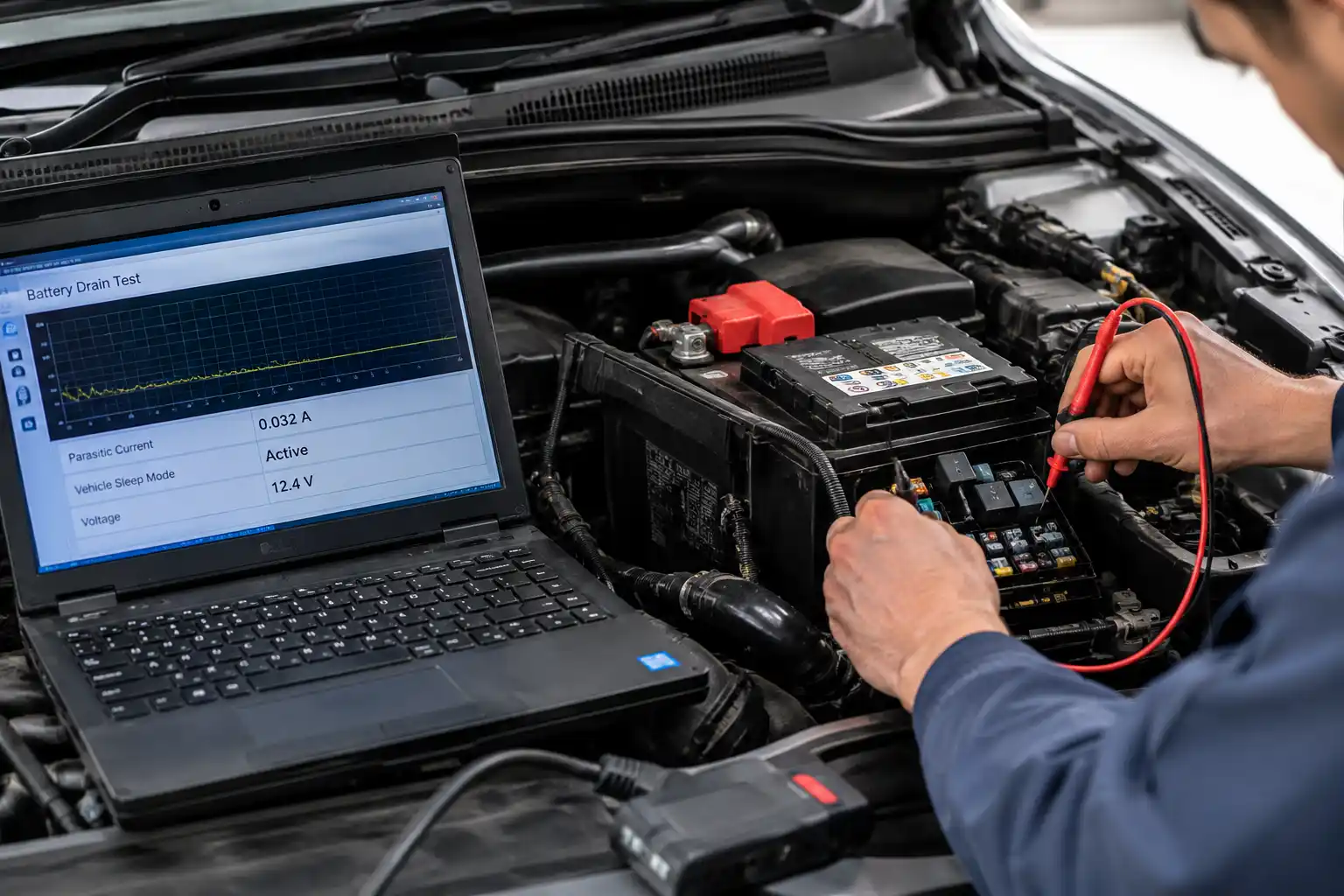
How to Measure Accessory Draw
Testing can be simple when the accessory is the clear suspect.
Measure total key-off current after the vehicle sleeps, then disconnect the accessory without disturbing other systems if possible.
If current falls significantly, the accessory or its installation deserves closer inspection.
A low-amp current clamp can be useful because it allows testing without breaking the circuit.
Common Installation Mistakes
Frequent problems include:
- Wiring to permanent power when switched power would be enough
- No low-voltage cutoff
- Cutoff voltage set too low
- Ground connection with excessive resistance
- Accessory never entering sleep mode
- Tracker repeatedly searching for network signal
- USB adapter remaining active after shutdown
- Each fault can create a drain even if the accessory seems to work normally.
Why Battery Size Does Not Solve the Root Cause
Installing a larger battery may allow the vehicle to sit longer before it fails to start, but it does not correct an excessive draw.
The battery is only storing more energy for the accessory to consume.
If the draw remains abnormal, the larger battery will eventually discharge too.
Better Ways to Power Parking Accessories
For high-demand parking surveillance, a dedicated accessory battery can separate dashcam operation from the vehicle’s starter battery.
Another option is a correctly configured hardwire kit with an appropriate low-voltage cutoff and time limit.
The right solution depends on the accessory and vehicle, but the goal is the same: preserve enough starter-battery reserve for reliable engine cranking.
Frequently Asked Questions
1. Can a dashcam drain the battery even when its screen is off?
Yes. The device may still be recording, monitoring motion or waiting in standby mode.
2. Are GPS trackers supposed to work with the ignition off?
Many are, which is why they require constant power. Their standby and transmission current should be considered during installation.
3. Will a bigger car battery fix accessory drain?
It may delay the no-start condition, but it does not fix an excessive electrical load.
4. Should every dashcam use a low-voltage cutoff?
For parking-mode installations powered by the starter battery, suitable battery protection is strongly advisable.