

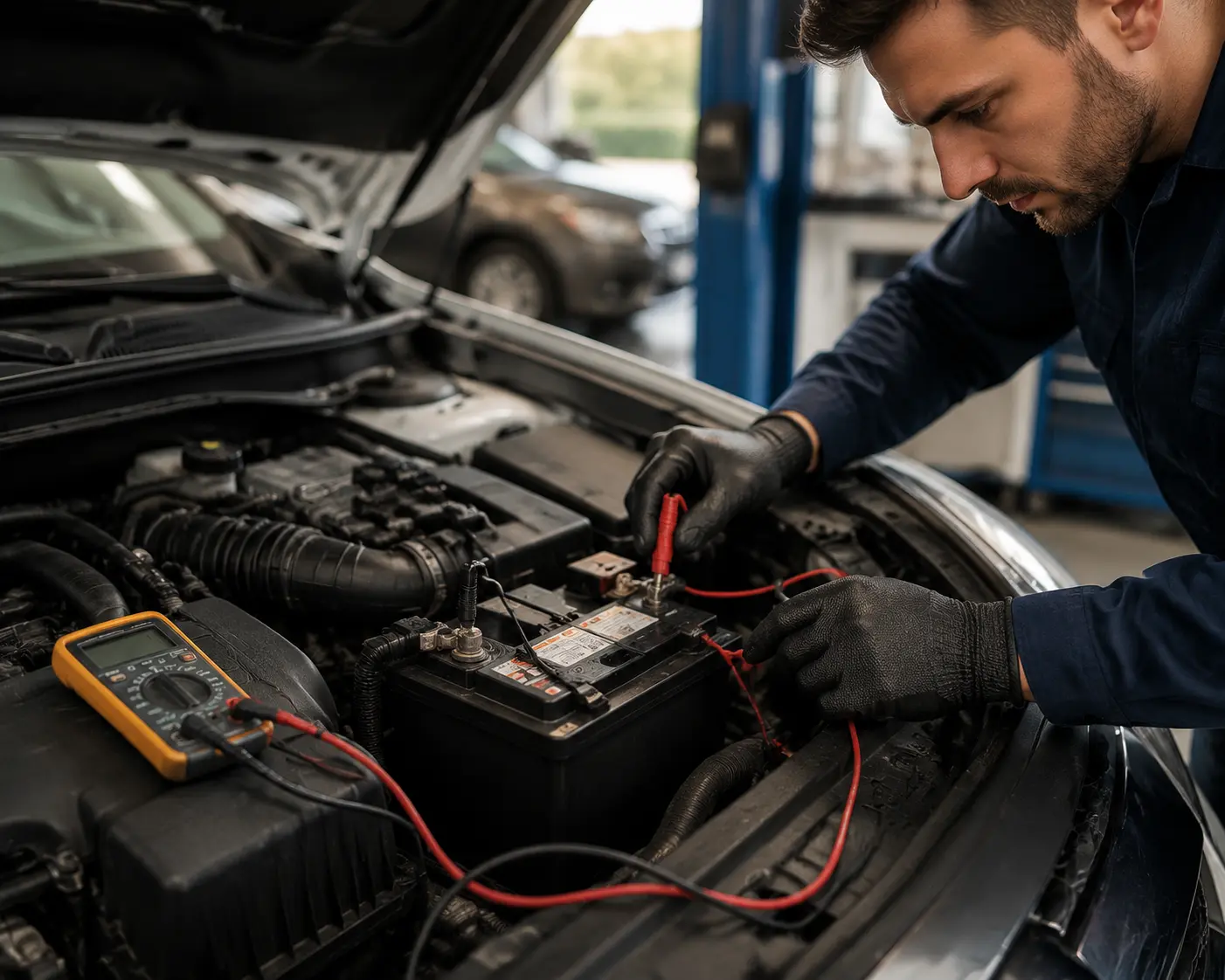


There’s a pattern I see every summer here. A battery that should have a few good years left simply gives up not from age, but from months of sitting in a 50°C engine bay. By the time the driver calls me, the damage is already done. Understanding that pattern is the difference between replacing a battery on your terms and being stranded on the road.
Extreme heat is the main thing that kills car batteries here. The high temperatures of hot regions lead to faster battery failures because of fluid evaporation and internal corrosion, and higher electrical strain on batteries.
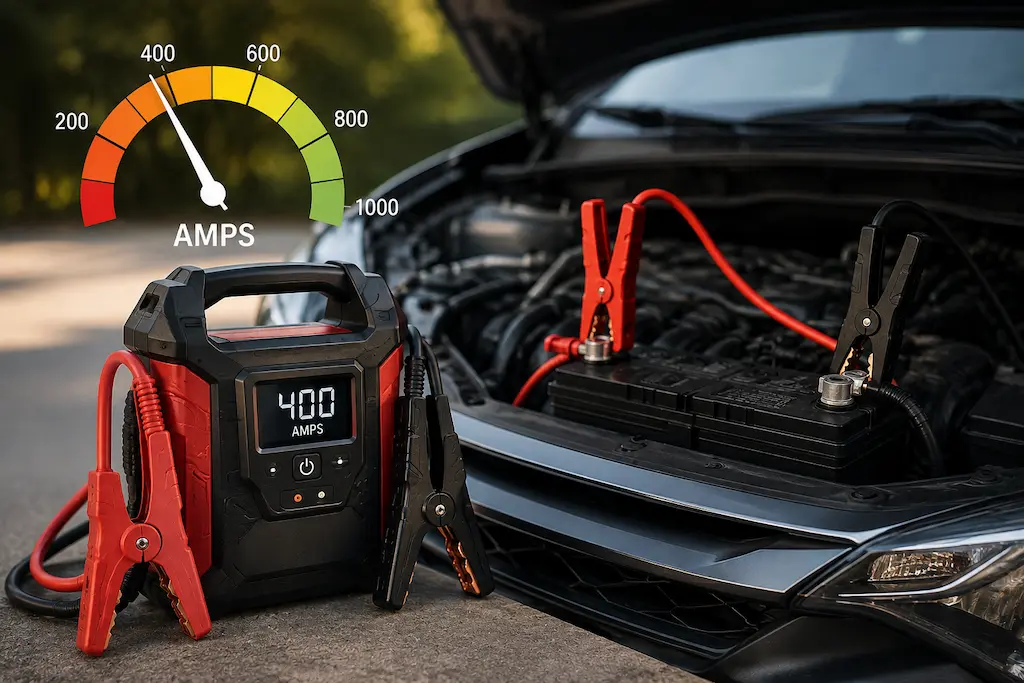
Understanding how to extend your car battery’s life in hot climates is essential if you want to avoid unexpected breakdowns and costly replacements. And if your battery ever fails, visiting a reliable car jump start service provider can save you time and stress.
Why Hot Weather Damages Your Car Battery
Here’s what’s actually happening under the bonnet when the temperature climbs. A car battery works through a chemical reaction, and heat speeds that reaction up. In the short term, that can even feel like a stronger start but it comes at a cost. The faster those reactions run, the faster the battery wears itself out.
Three things go wrong, and I see all of them on the batteries I pull out every summer:
- The fluid evaporates: Heat dries out the electrolyte inside the battery, and once the internal plates are no longer properly covered, the battery loses capacity.
- The plates corrode: High temperatures accelerate corrosion on the internal plates, the part that actually stores and delivers charge, so the battery gets weaker with every hot week.
- The strain adds up: In summer your AC, fans, and electronics all pull harder, and a heat-stressed battery is already struggling to keep up.
The damage is also cumulative, it builds quietly over months. That’s why a battery often dies suddenly after a long, hot spell rather than during it, and why a little maintenance through the summer goes a long way.
Smart Driving Habits to Protect Battery Life
Your daily driving habits directly impact battery performance, especially in hot weather.
- You should avoid making short trips, which stop your vehicles from reaching full battery capacity and are essential for proper vehicle battery care in the heat.
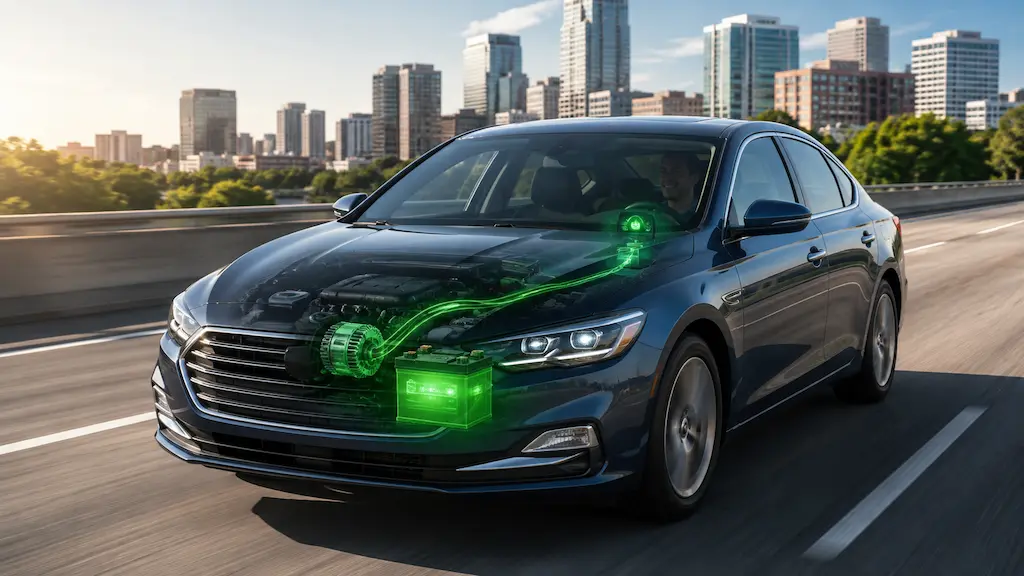
- Don’t leave electronics, dashcams, chargers, and interior lights running when the engine’s off; they’ll quietly drain the battery overnight. And try not to rely only on short trips: a 10-minute school run doesn’t give the alternator time to recharge what starting the car just used. Once a week, give it a longer drive.
Essential Car Battery Maintenance Tips
Dust and corrosion create performance problems because they obstruct battery operation.
Keep the Battery Clean
- Clean terminals with a baking soda solution
- Remove dirt buildup regularly
Inspect Connections
- Check cables for damage
- Ensure terminals are tightly secured
Test Battery Health
- Test voltage every 6 to 12 months
- Replace weak batteries before failure
These simple car battery maintenance tips can add years to your battery life.
Warning Signs of Battery Failure in Hot Weather
Recognizing early warning signs can prevent sudden breakdowns.
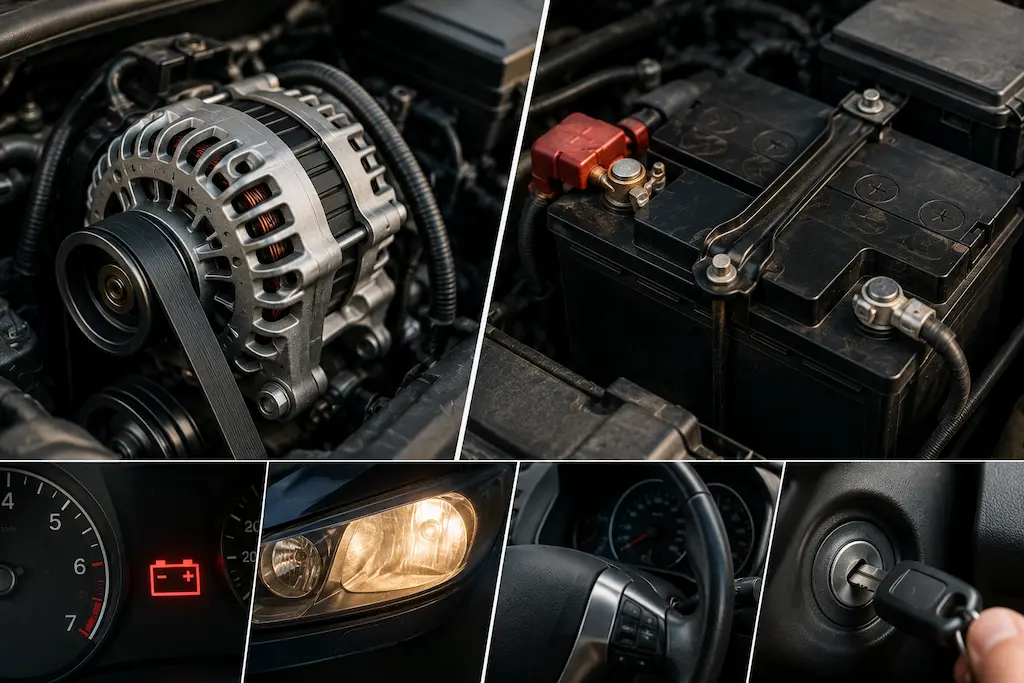
- Slow engine start or weak cranking
- Dim headlights or electrical issues
- Swollen battery casing
- Frequent need for jump-starts
Choose the Right Battery for Hot Climates
Selecting the right battery type is crucial for durability in high temperatures.
Best battery options include:
- AGM (Absorbent Glass Mat): The strongest choice for the heat here. They’re sealed, maintenance-free, handle high temperatures well, and tolerate the repeated drain-and-recharge cycles a Dubai summer puts them through. This is what I’d recommend for most drivers.
- Enhanced flooded (EFB): A solid middle option more heat- and cycle-tolerant than a standard flooded battery, and cheaper than AGM. A reasonable pick if AGM is out of budget.
A quick word on gel batteries: you’ll see them recommended online, but they’re really built for deep-cycle uses like solar and backup power, not the high-cranking demands of a car engine in extreme heat. For most vehicles here, AGM is the better call.
When choosing a battery, consider:
- Heat resistance
- Matching compatibility with your vehicle
Conclusion
Extreme heat doesn’t just affect your comfort; it directly impacts your battery’s performance and lifespan. Ignoring proper care can lead to sudden failures, costly replacements, and unexpected breakdowns at the worst times.
By applying these proven strategies, smart driving habits, regular maintenance, heat protection, and choosing the right battery, you take full control of your vehicle’s reliability and can prevent common causes of a dead car battery before they leave you stranded.
Need a Quick Battery Fix? Trust Jump Start in Dubai
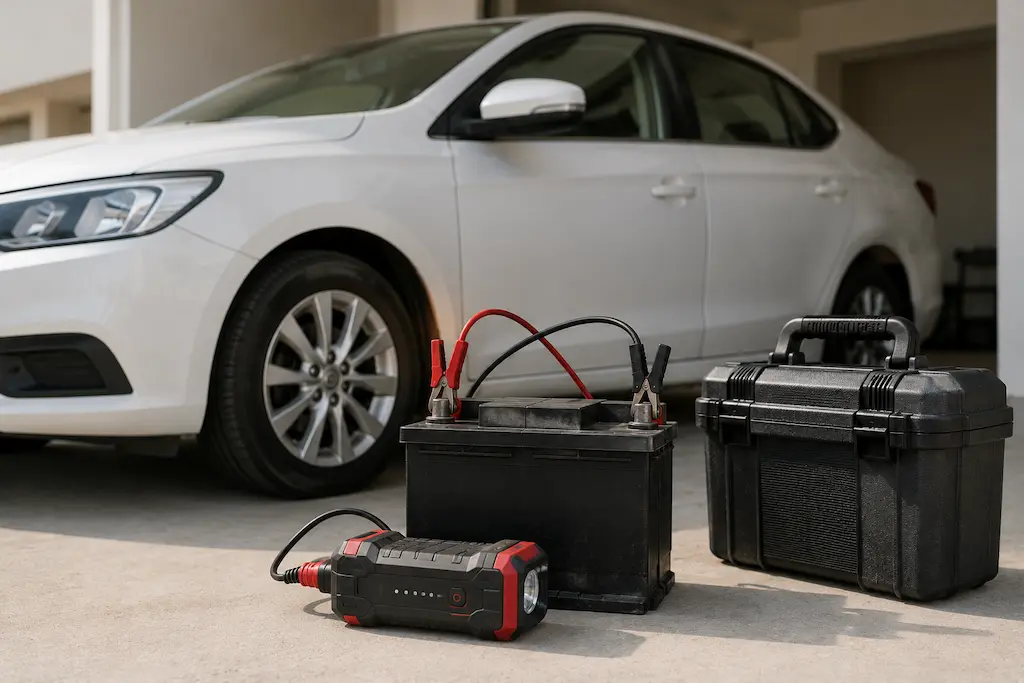
After years of handling battery failures in this heat, my team knows exactly how high temperatures wear a battery down. From emergency jump start in dubai to on-the-spot testing and replacement, we use the right tools and proven methods to get you moving again.
Frequently Asked Questions
What is the typical lifespan of a car battery in hot climates?
In hot climates, a car battery usually lasts around 2 to 3 years due to increased heat stress.
At what temperature does heat start damaging a car battery?
Temperatures above 40 to 50°C can accelerate battery damage and significantly reduce its lifespan.
Are there signs before a car battery completely fails?
Yes, common signs include slow engine start, dim lights, and frequent need for jump-starts.