


Your car won’t start. The lights are dim, and the engine only clicks. Before spending money on a new battery, many drivers try a jump start in Dubai to see if a quick boost will get their vehicle running again. Knowing whether your battery needs a jump start or a replacement can save you time and money.
After more than a decade in the field, I can tell you the choice between a jump start vs battery replacement is rarely a guess. Technicians follow a clear diagnostic process. Understanding that process helps you make smarter decisions and avoid being upsold something you don’t need.
What a Jump Start Actually Does
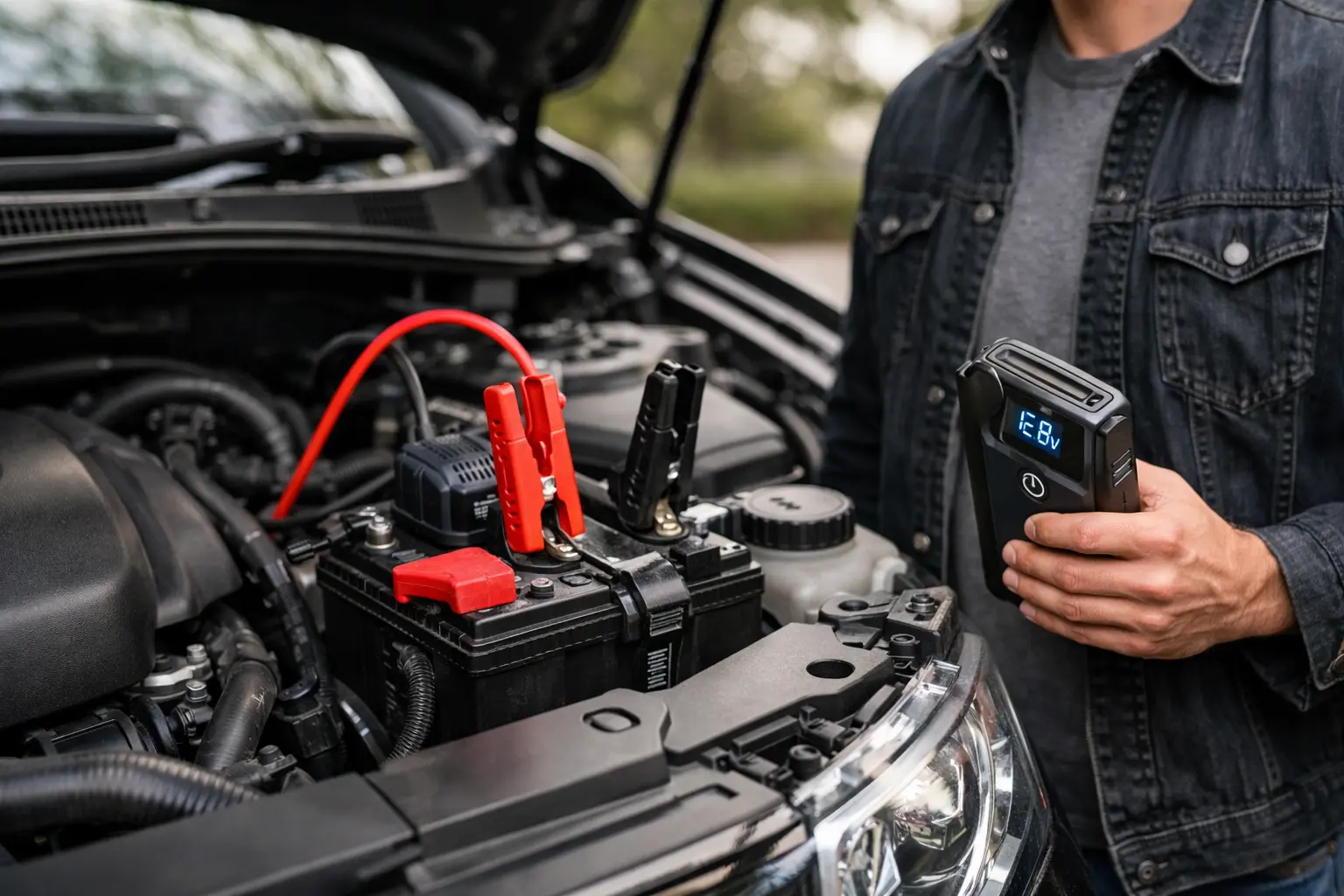
A jump start delivers a temporary surge of power to get a dead battery running again. It does not repair or recharge a failing battery on its own. Once the engine starts, the alternator takes over and recharges the battery as you drive.
This works well in one specific situation: when the battery is healthy but simply drained. You left the headlights on overnight. The dome light stayed on for a week. The car sat unused for a month. In these cases, the battery is fine, and a jump gets you moving again.
The key insight is that a jump start treats a symptom, not a disease. If the underlying battery is still good, that symptom never comes back.
When Battery Replacement Is the Right Call
A car battery replacement becomes necessary when the battery can no longer hold a charge. No amount of jumping will fix a battery that has reached the end of its life. You might get the car started, but it will die again within hours or days.
Most lead-acid car batteries last three to five years. In hotter regions, that lifespan shrinks. Heat accelerates the chemical breakdown inside the battery, which is why car battery maintenance in hot weather matters so much for anyone driving in extreme climates.
If your battery is older than four years and failing repeatedly, replacement is almost always the economical choice.
How Technicians Make the Decision
Here is the diagnostic logic a trained technician follows when weighing a jump start vs battery replacement.
Step 1: Check the Battery’s Age and History
The first question is always how old the battery is. A battery under two years old that suddenly dies points to an external cause, like a parasitic drain or a lights-left-on mistake. A battery past its fourth year is a prime suspect for failure.
Step 2: Test Voltage and Cranking Power
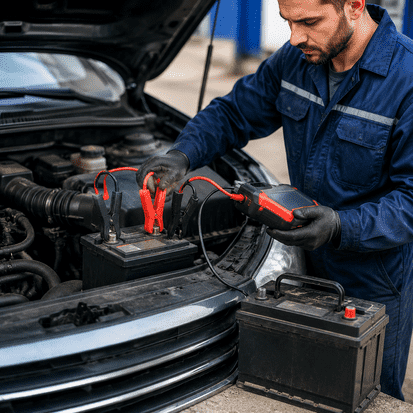
Technicians use a multimeter or a dedicated battery tester. A healthy battery reads around 12.6 volts when the engine is off. Anything below 12.2 volts signals a deeply discharged or failing unit. A proper load test reveals whether the battery can still deliver the cranking amps your engine needs to start.
Step 3: Watch What Happens After the Jump
This is the real tell. After a jump, the technician measures the charging system. If the battery holds voltage and the alternator charges correctly, a jump was all you needed. If the battery drains again quickly, replacement is the answer.
Step 4: Inspect the Charging System
Sometimes the battery isn’t the problem at all. A faulty alternator or corroded terminals can mimic a dead battery. A good technician rules these out before recommending a replacement, which protects you from paying for a part that won’t solve the issue.
A Quick Decision Guide for Drivers
Use this simple framework before you call for help:
- Jump start likely: Battery is under three years old, you left something on, the car sat unused, or this is the first failure.
- Replacement likely: Battery is over four years old, it fails repeatedly, it struggles in cold or extreme heat, or it dies again shortly after a jump.
If you ever need a fast battery jump start in Dubai, a mobile service can come to you and run these exact tests on the spot, saving you a tow.
Safety Matters More Than Speed
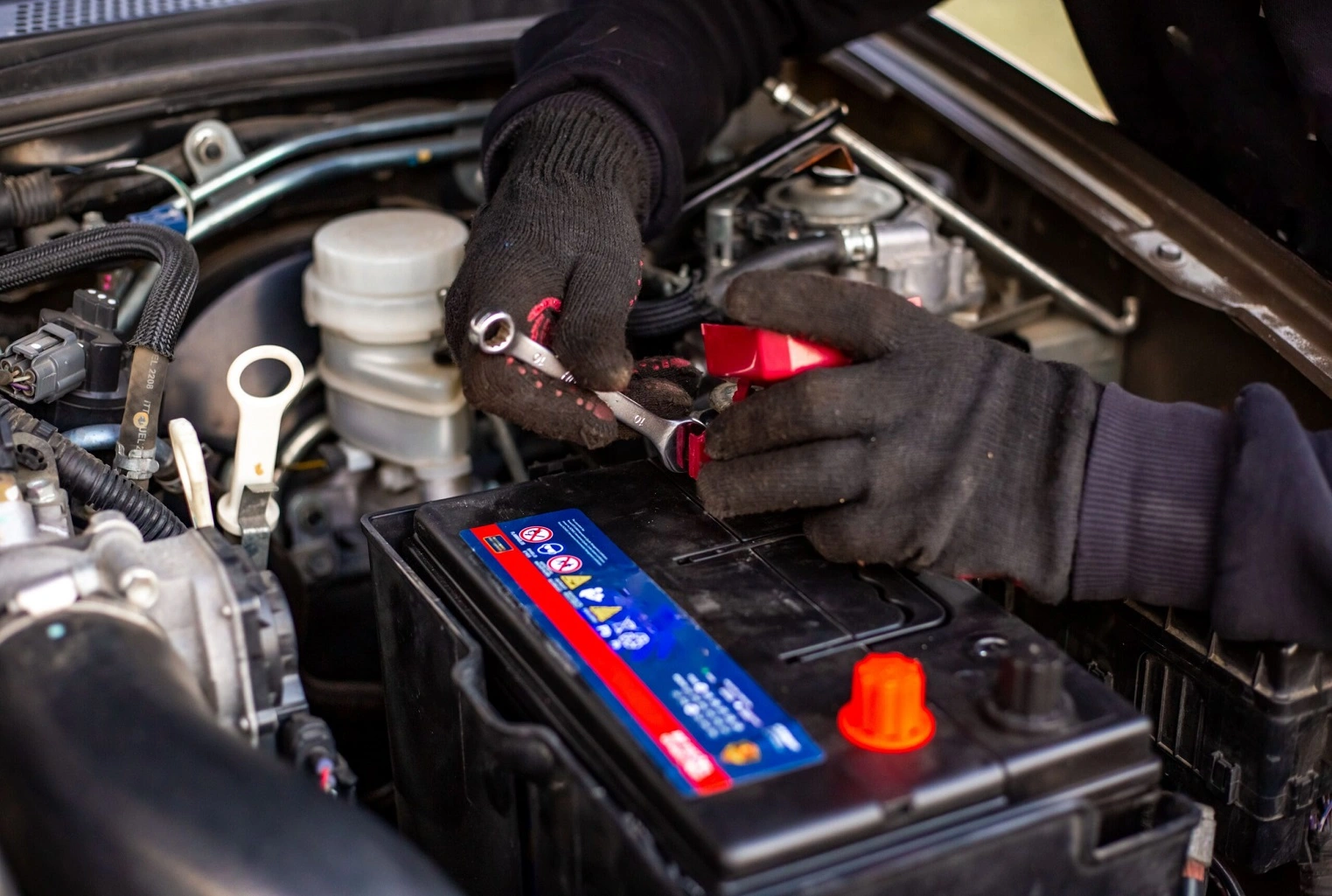
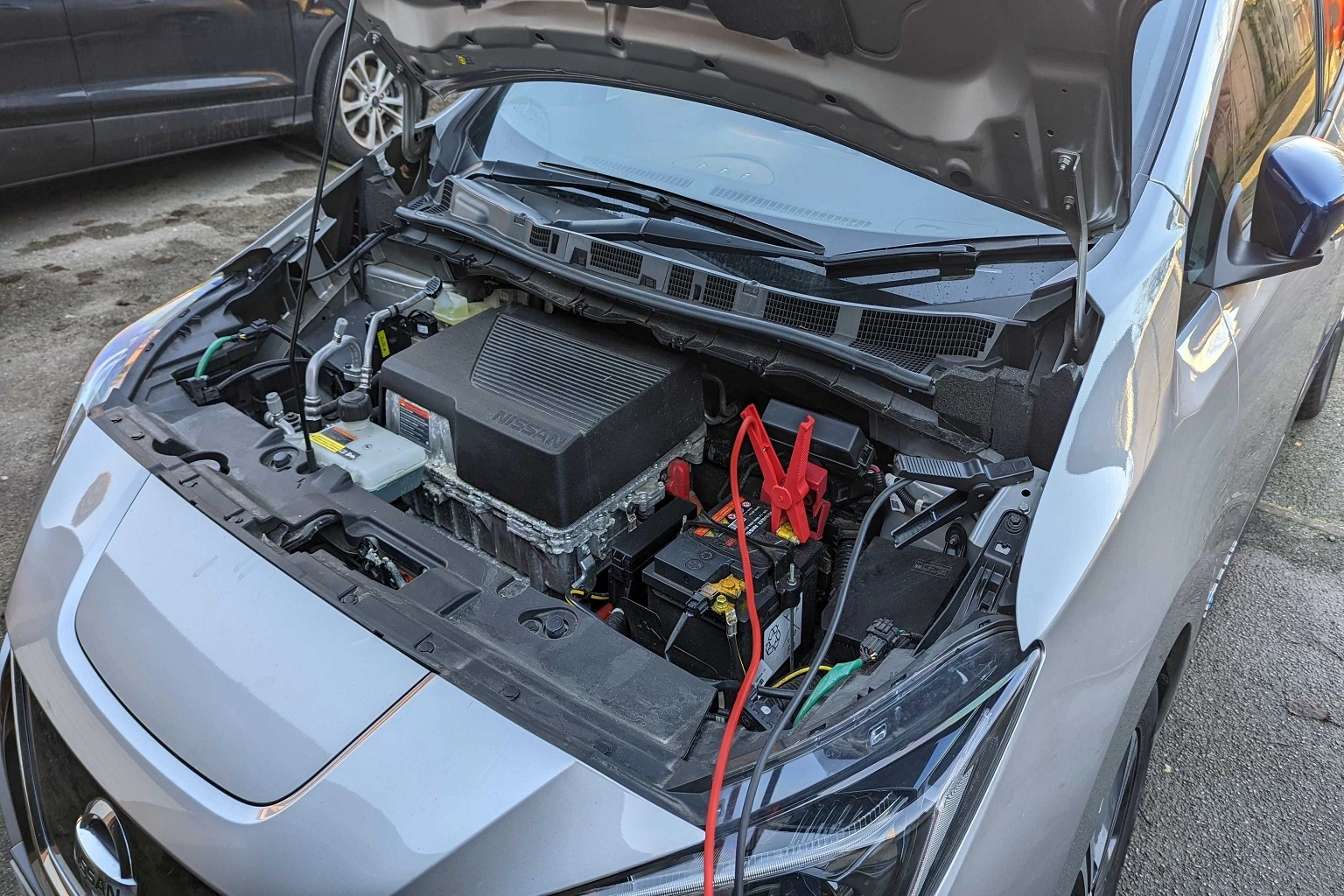
Whichever route you take, doing it correctly protects you and your vehicle. Connecting cables in the wrong order can damage sensitive electronics or cause sparks. If you plan to handle it yourself, learn how to jump start a car safely before you touch the terminals.
For drivers who want professional help without the guesswork, a reliable battery jump start in Dubai service brings the right equipment and trained eyes to your location. A dependable Car Jump Start Dubai provider can diagnose the real problem rather than just getting you moving for a few more hours.
The Cost Factor
Money usually drives the final decision. A jump start is far cheaper than a new battery, which makes it tempting even when replacement is the smarter long-term move. The trap is paying repeatedly for jumps on a dying battery, which eventually costs more than just replacing it.
Before deciding, it helps to know the typical Car Jump Start Service Cost in Dubai so you can compare it against the price of a fresh battery. You can review current pricing in this guide on how much a car jump start service costs. Reliable Jumpstart Dubai services are transparent about these numbers, which is a good sign of a trustworthy provider.
Conclusion
The choice between a jump start vs battery replacement comes down to one question: is the battery healthy or finished? A jump start rescues a good battery that was simply drained. A car battery replacement is the only real fix for a battery that has worn out. Technicians decide by checking age, testing voltage, and watching how the battery behaves after a jump.
When you understand this process, you stop guessing and start making decisions that save you time, money, and the frustration of a car that won’t start when you need it most. And if you live somewhere with brutal heat, staying ahead with proper battery care in hot climates is the best way to avoid the question altogether.
Need a Jump Start or Battery Check? Get Expert Help Fast
Don’t get stranded guessing whether you need a jump or a new battery. Reach out to a trusted mobile team that tests your battery properly, explains your options honestly, and gets you back on the road. Contact a professional jump start and battery service today and let the experts handle the diagnosis.
Frequently Asked Questions
Can a jump start fix a dead battery permanently?
No. A jump start only provides temporary power to start the engine. If the battery is healthy, the alternator recharges it as you drive. If the battery is worn out, it will die again and needs replacement.
How do I know if my battery needs replacing instead of a jump?
If your battery is over four years old, fails repeatedly, or dies again shortly after a jump start, it likely needs replacing. A voltage and load test confirms whether the battery can still hold a charge.
Why does my car battery keep dying in hot weather?
Heat speeds up the chemical breakdown inside a battery, shortening its lifespan. Regular battery maintenance in hot climates helps, but a battery weakened by heat eventually needs replacing.
How long should a car battery last?
Most car batteries last three to five years. In very hot regions, expect the shorter end of that range. Age is one of the biggest factors technicians use when deciding between a jump and a replacement.
Is it safe to jump start my own car?
Yes, if you follow the correct cable order and safety steps. Connecting cables incorrectly can damage electronics or cause sparks, so it’s important to learn the proper method or call a professional.
What’s cheaper, a jump start or a battery replacement?
A jump start costs less upfront. However, repeatedly jumping a failing battery ends up costing more than a single replacement, so it’s worth diagnosing the real problem early.