

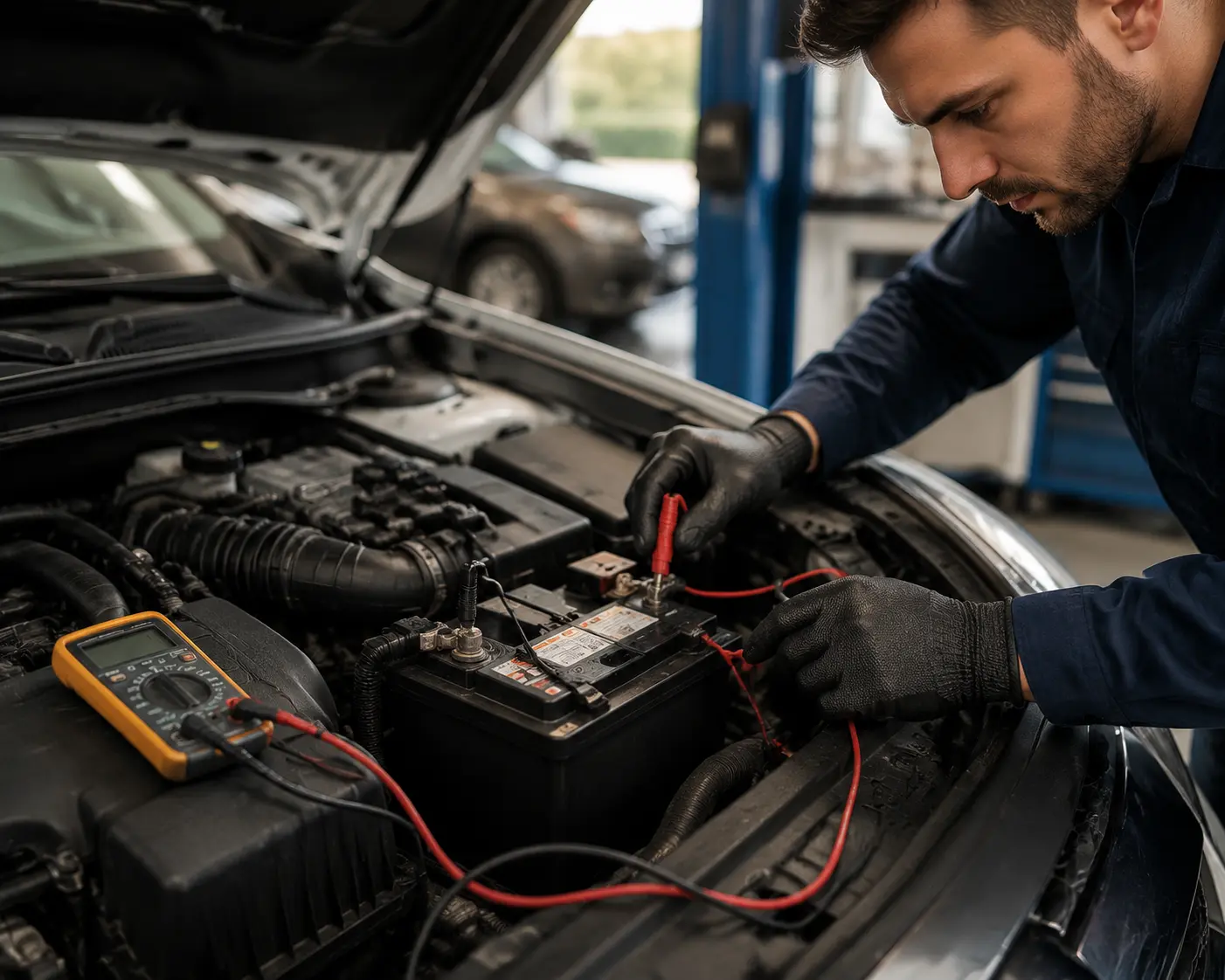


Hassan was convinced that replacing his old battery would finally solve his car troubles. For months, he had been dealing with slow engine cranks, occasional jump starts, and the frustration of wondering when his vehicle would fail again. After installing a new battery, he expected everything to return to normal. But just two weeks later, he turned the key and heard the same weak clicking sound.
A new battery should last much longer, so why was the problem happening again?
This is one of the most common situations we handle during roadside assistance calls. Many drivers in Dubai assume that a replacement battery is the complete solution, but repeated battery failure is often a sign of another issue within the vehicle’s electrical system, charging system, or hidden power drain.
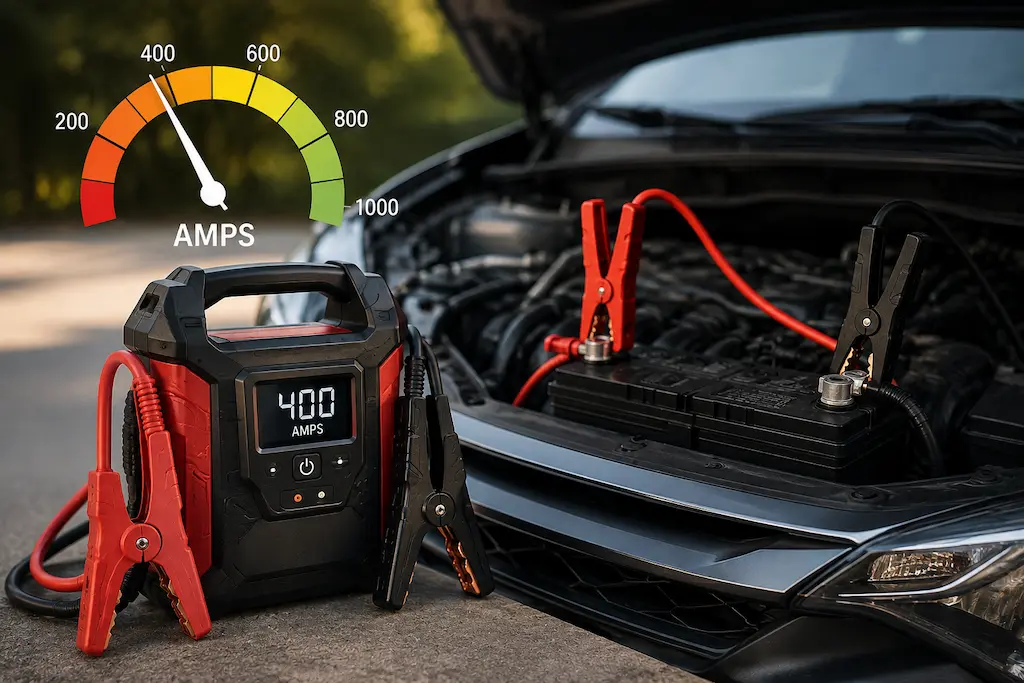
From our experience providing roadside support, we have seen that proper diagnosis is just as important as replacing the battery itself. A quick jumpstart service in Dubai can help get your vehicle running again during an emergency, but identifying the actual cause prevents the same problem from happening repeatedly.
In this guide, we’ll explain why a new car battery keeps dying, the common causes behind repeated battery failure, and what steps you can take to keep your vehicle reliable on Dubai roads.
Why a New Battery Isn’t Always the Fix
A battery is only one part of a car’s charging and electrical system. If it keeps losing charge shortly after replacement, the new battery is likely just the innocent bystander, being drained by an issue elsewhere. Chasing the same fix (another new battery) without identifying the root cause almost always leads to the same result: another dead battery, days or weeks later.
Common Reasons Your New Battery Keeps Dying
1. A Failing Alternator
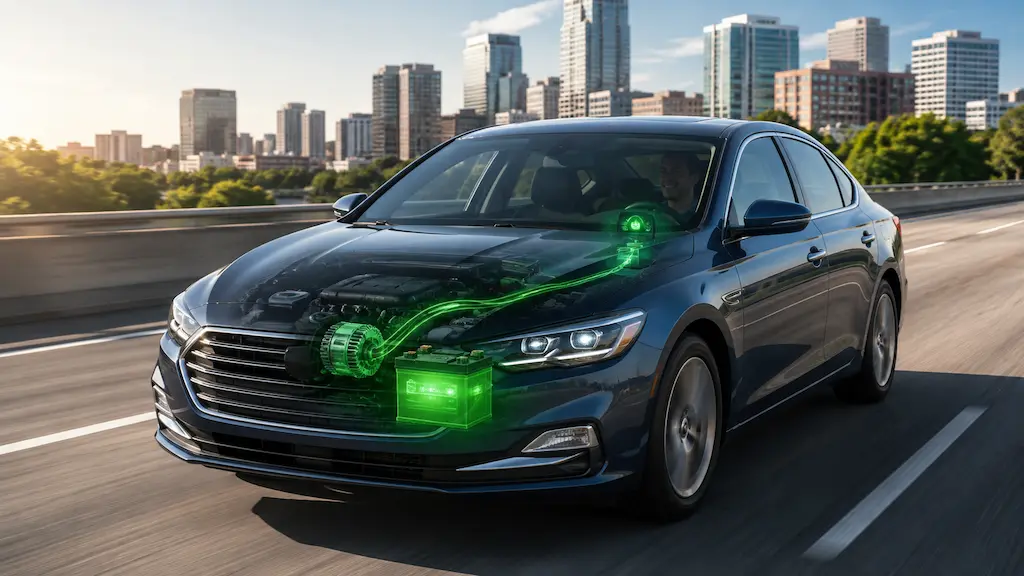
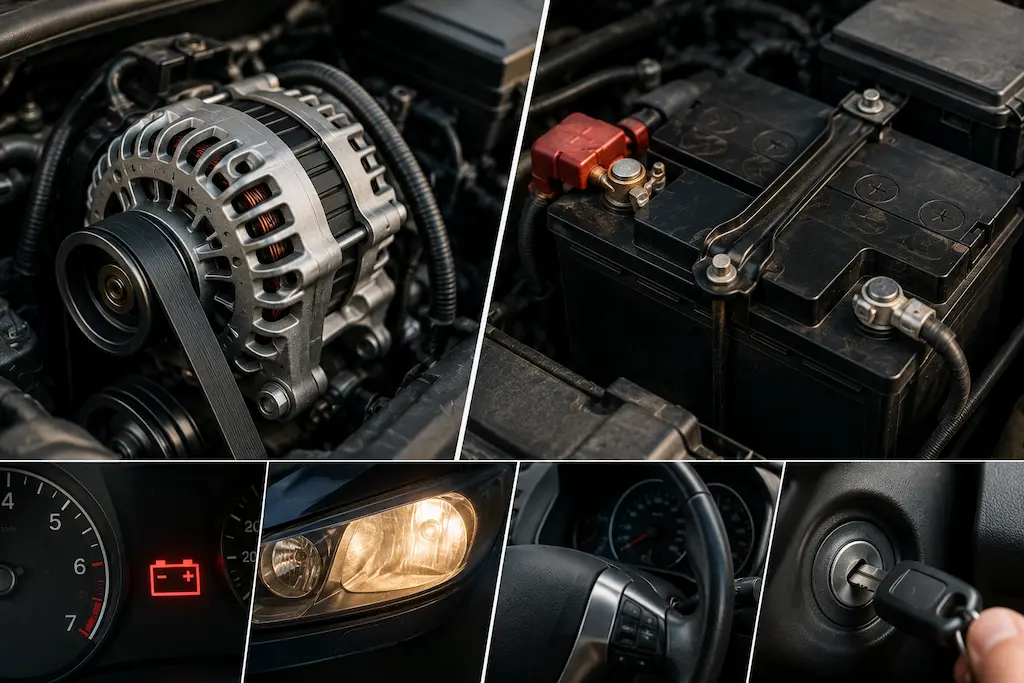
The alternator’s job is to recharge your battery while the engine runs. If it’s failing, even a brand-new battery will slowly drain every time you drive, since it’s never being properly recharged in the first place. This is one of the most common culprits behind a “new battery, same problem” situation.
2. A Parasitic Draw
Sometimes a component in the car, a faulty relay, an interior light that doesn’t fully switch off, or an aftermarket accessory wired incorrectly, continues drawing power even when the car is off. Over days, this slowly drains even a healthy battery, especially if the car sits unused for a stretch.
3. Loose or Corroded Terminals
A poor connection at the battery terminals can prevent proper charging, even if the alternator and battery are both functioning correctly. This is a simple fix, but an easy one to overlook, and it’s often mistaken for a battery fault.
4. Short Trips That Never Fully Recharge the Battery
If your driving is mostly short trips, quick errands, brief commutes, your alternator may not get enough continuous run-time to fully recharge the battery each time. Over time, this leaves the battery chronically undercharged, regardless of how new it is.
5. Extreme Heat Accelerating Wear
Dubai’s climate is particularly hard on batteries. High temperatures speed up the chemical degradation inside a battery and put extra strain on the entire charging system, which means underlying issues that might take years to surface elsewhere can show up here within weeks.
6. A Battery That Wasn’t the Right Fit
Not all batteries are equal, using one with the wrong specifications for your vehicle, incorrect size, insufficient cold cranking amps, or a mismatch with your car’s electrical demands, can lead to poor performance regardless of how new it is.
How to Actually Diagnose the Real Problem
Rather than replacing the battery a second time and hoping for a different result, the right approach is a full diagnostic of the charging system, not just the battery. This includes testing the alternator’s output, checking for parasitic draw, and inspecting terminals and connections. It’s exactly the kind of check our technicians run through when a customer calls in with a battery that’s died more than once in a short period, since guessing rarely solves the problem for good.
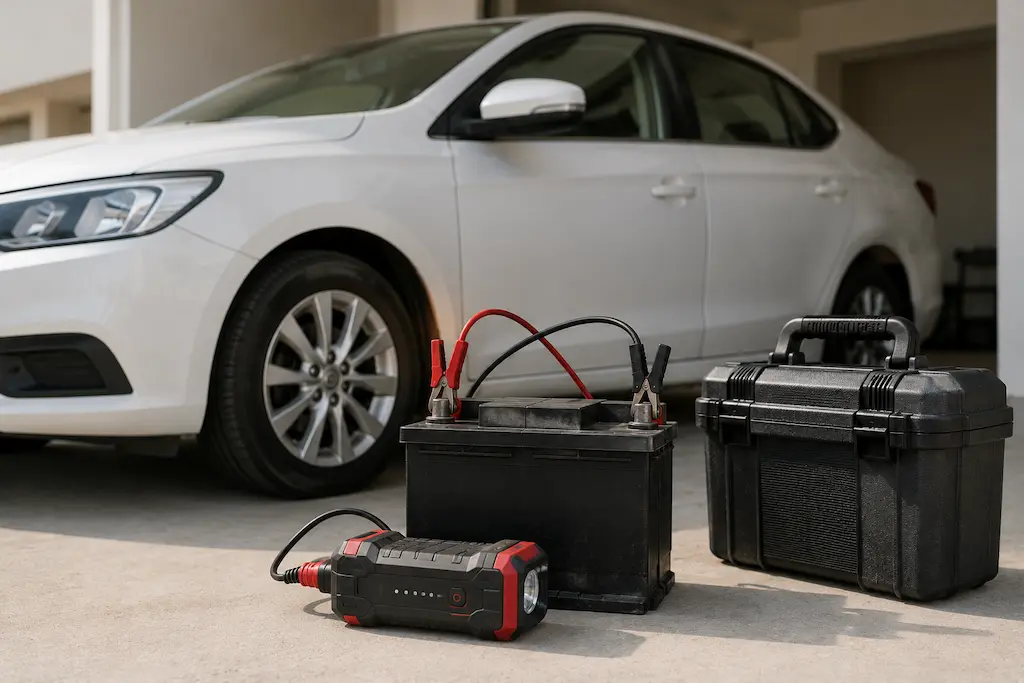
If you’re dealing with this exact situation, a jump start service in Dubai can get you moving again immediately, and more importantly, properly diagnose whether the battery, alternator, or something else entirely is behind the repeat failures.
Understanding the Bigger Picture Behind Battery Failure
Repeat battery problems make a lot more sense once you understand what’s actually happening at a mechanical level. Our guide on what really causes a dead car battery breaks down the underlying causes in plain terms, useful context if you want to know exactly why batteries fail in the first place, not just how to replace them.
It’s also worth knowing what to do if the problem escalates beyond a battery that simply won’t start, and instead dies while you’re actually driving. That’s a more urgent, and more dangerous, version of the same underlying issue, and our breakdown of why car batteries die while driving in Dubai walks through exactly what to do if it happens to you.
Frequently Asked Questions
Can a brand-new battery be defective right out of the box?
Yes, though it’s uncommon. A small percentage of batteries have manufacturing defects, but this is far less common than an underlying electrical issue causing the drain.
How do I know if it’s the alternator and not the battery?
Signs like dimming headlights while driving, a battery warning light staying on, or a whining noise from the engine bay usually point to the alternator rather than the battery itself.
What is a parasitic draw, and how is it found?
A parasitic draw is when something continues pulling power from the battery after the car is off. Technicians typically find it using a multimeter to measure current draw with the engine off and components isolated one at a time.
Does driving mostly short distances really affect battery life?
Yes, short trips don’t give the alternator enough time to fully recharge the battery, which can leave it chronically low even if it’s brand new.
Should I get a full diagnostic before replacing a battery a second time?
Yes, replacing the battery again without diagnosing the actual cause usually leads to the same problem recurring within days or weeks.
Conclusion
A battery that keeps dying after being replaced is rarely bad luck, it’s almost always a signal that something else in the car’s electrical system needs attention. Hassan’s second battery lasted less than two weeks, not because it was faulty, but because a failing alternator had been draining it the entire time, the same issue that killed the one before it. Getting a proper diagnostic the first time saves both the frustration and the cost of replacing a battery that was never really the problem.