

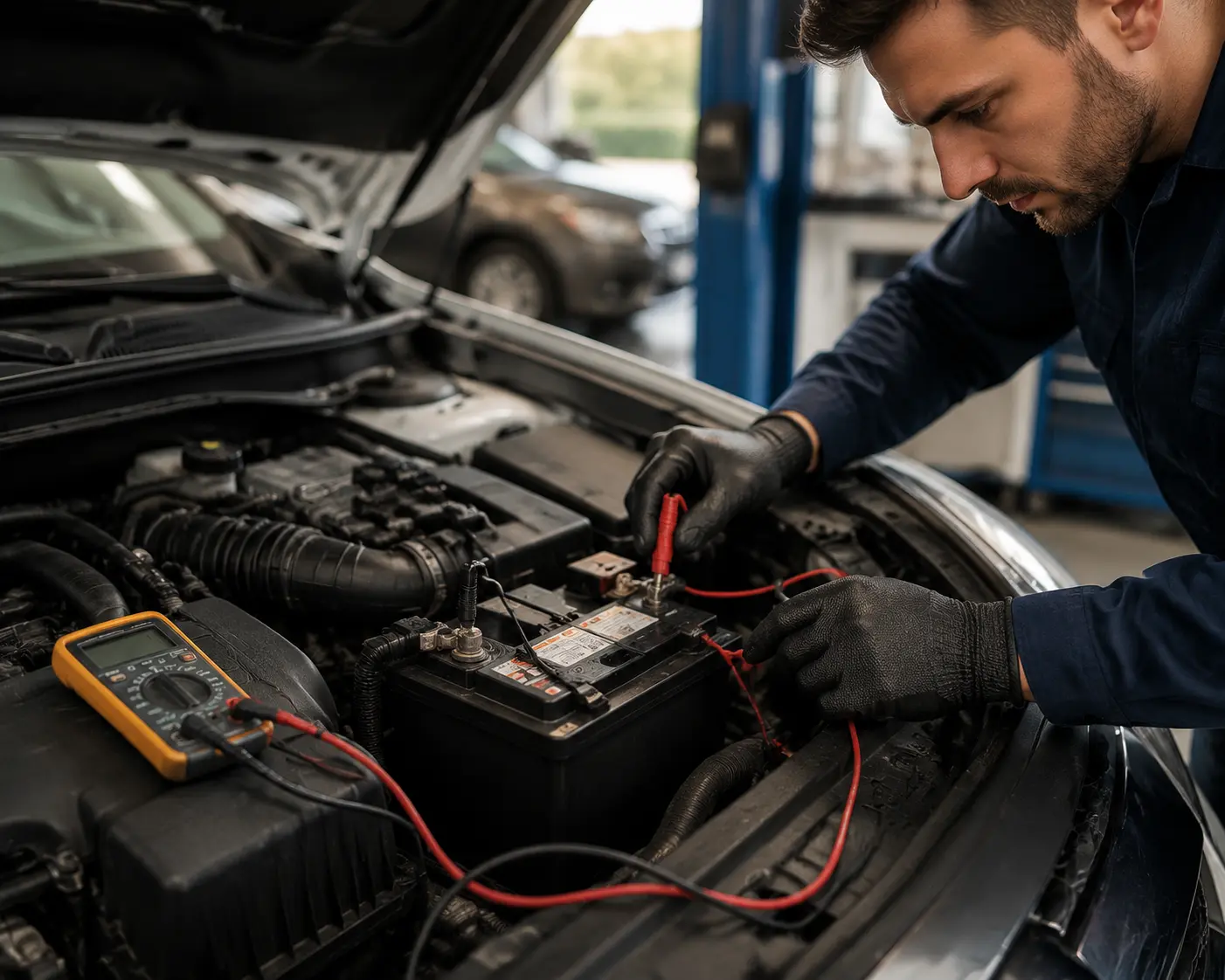


I once had a customer call me from a car park in Al Quoz after his SUV refused to start. He had bought a portable jump starter online just a week earlier and was convinced the device was faulty. It wasn’t. The problem was that the jump starter was designed for smaller cars, while he was trying to crank a larger six-cylinder SUV with a battery that was already completely drained.
It’s a common mistake we see with jump starts service in Dubai: choosing a booster based on its size or price instead of checking whether it can actually handle the vehicle. And there’s one specification that matters more than most drivers realize: amps.
So, how many amps do you actually need to jump start your car? The answer depends on several factors, including your engine size, whether it’s petrol or diesel, the condition of your battery, and the demands of starting a vehicle in Dubai’s hot climate.
Let’s break down what you need to know before attempting a jump start.
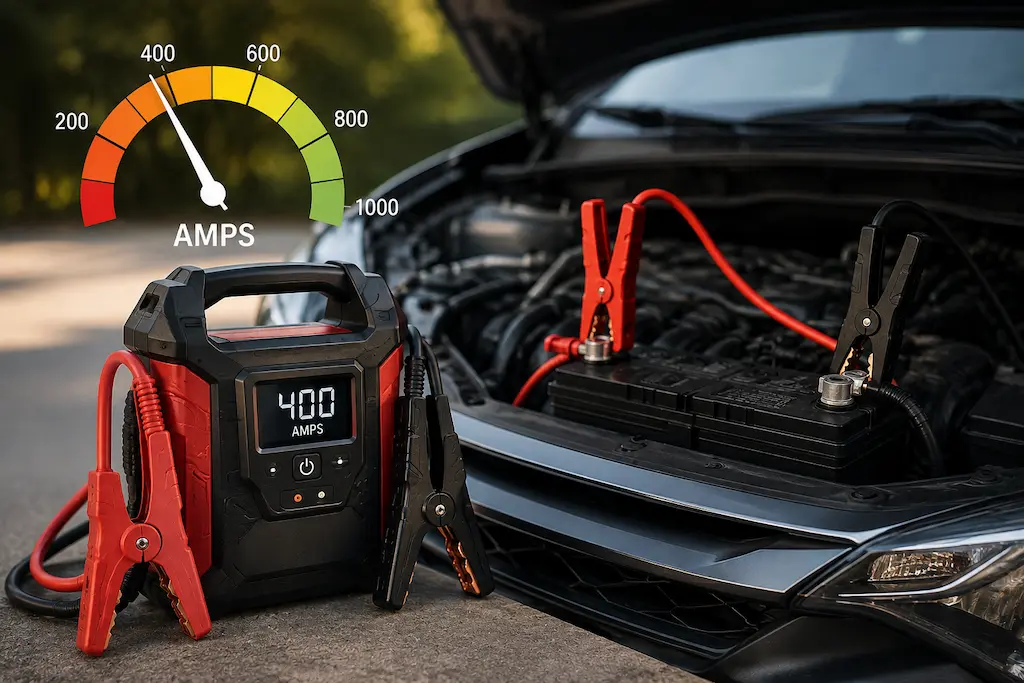
Quick Answer: Most petrol cars need somewhere between 400 and 600 cranking amps to start reliably. Smaller four-cylinder engines can sometimes manage with as little as 300, while larger V6 and V8 engines climb toward 600 to 1,000. Diesel engines are a different story entirely, often demanding 1,000 to 2,000 amps or more because of their much higher compression ratios. If you drive a compact sedan, you’re on the low end of that range. If you drive a diesel pickup or a large SUV, you need to be planning for the high end, not the average.
Amps by Vehicle Type
Here’s roughly what different vehicles draw when starting from a dead battery:
| Vehicle Type | Cranking Amps Needed |
|---|---|
| Compact 4-cylinder car | 300–600 |
| Mid-size sedan | 400–600 |
| V6 sedan or crossover | 600–800 |
| Full-size SUV or V8 | 600–1,000 |
| Diesel truck or SUV | 1,000–2,000+ |
These figures assume a healthy engine and a battery that’s simply drained, not one that’s old, damaged, or already failing. A tired battery, or a car that’s been sitting for weeks, will pull more current than these baseline numbers suggest.
Why “Peak Amps” on the Box Isn’t the Number That Matters
Every portable jump starter on the shelf advertises a big peak amps figure, 1,500A, 2,000A, sometimes higher, and it’s mostly there to sell the box. What actually gets your engine running is the sustained cranking current the unit can deliver for the few seconds your starter motor needs to spin the engine over. That’s a very different number from the marketing headline. When you’re comparing jump starters or asking a roadside technician what they’re using, ask about cranking amps, not peak amps.
It’s also worth knowing you can’t damage your car with too much amperage. Your vehicle’s electrical system only draws the current it actually needs, the same way a large water pipe doesn’t force more water through a small tap than the tap can handle. The real risk isn’t excess amps, it’s undersized ones that leave you stranded, or getting the voltage wrong entirely.
Why Dubai’s Heat Changes the Equation
Most amp guides are written for cold climates, since cold weather is the classic battery killer elsewhere in the world. In the UAE, the threat runs the other way. Extreme heat is what actually shortens battery life here, speeding up fluid evaporation and internal corrosion long before winter cold would ever be a factor. A battery that’s been quietly cooking under a Dubai sun for two years often has far less real capacity than its rating suggests, even if it looks fine on the outside.
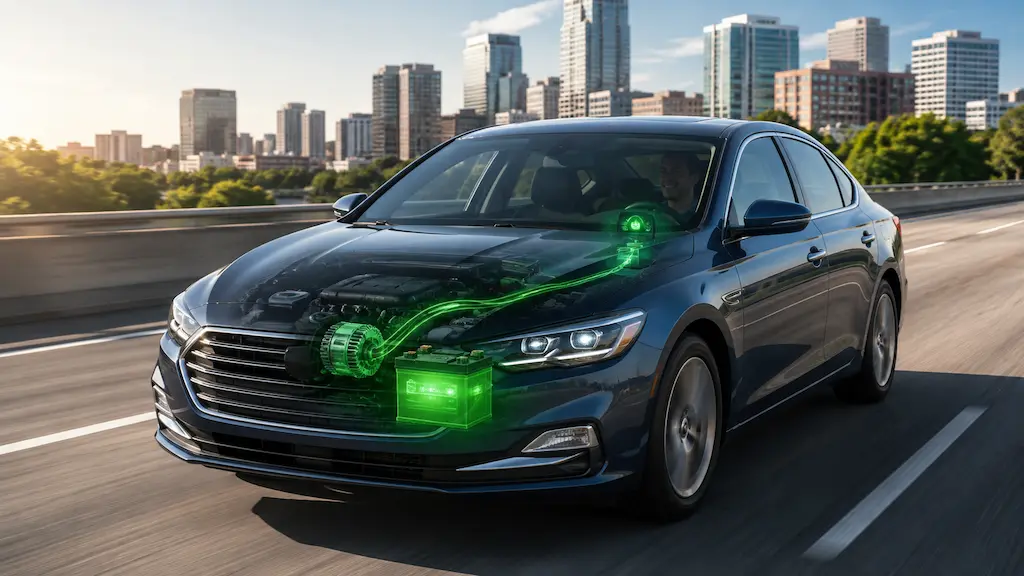
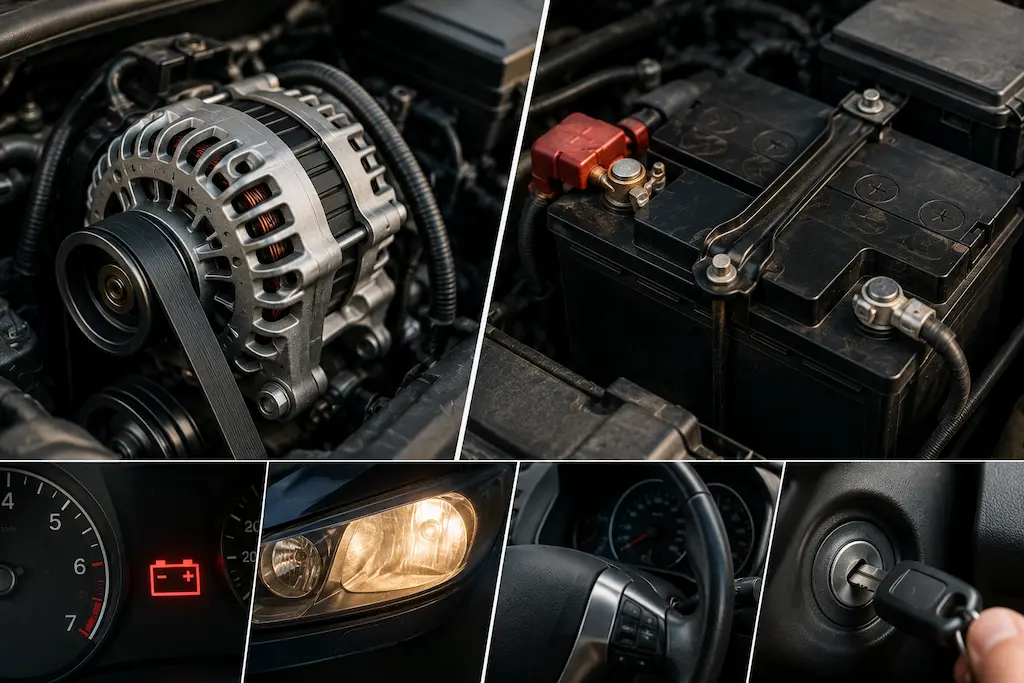
That matters directly for how many amps you need, because a weakened battery draws closer to the top of its vehicle’s range, not the bottom. The sedan that should need 400 amps under normal conditions might need closer to 600 once summer heat has taken its toll. If you’re unsure whether it’s your battery or something else causing repeated stalling, it’s worth reading how to tell whether it’s the alternator or the battery causing the problem before you assume a bigger jump starter is the fix.
What This Means If You’re Jump-Starting a Car in Dubai
A few practical points worth keeping in mind if you’re dealing with a dead battery here:
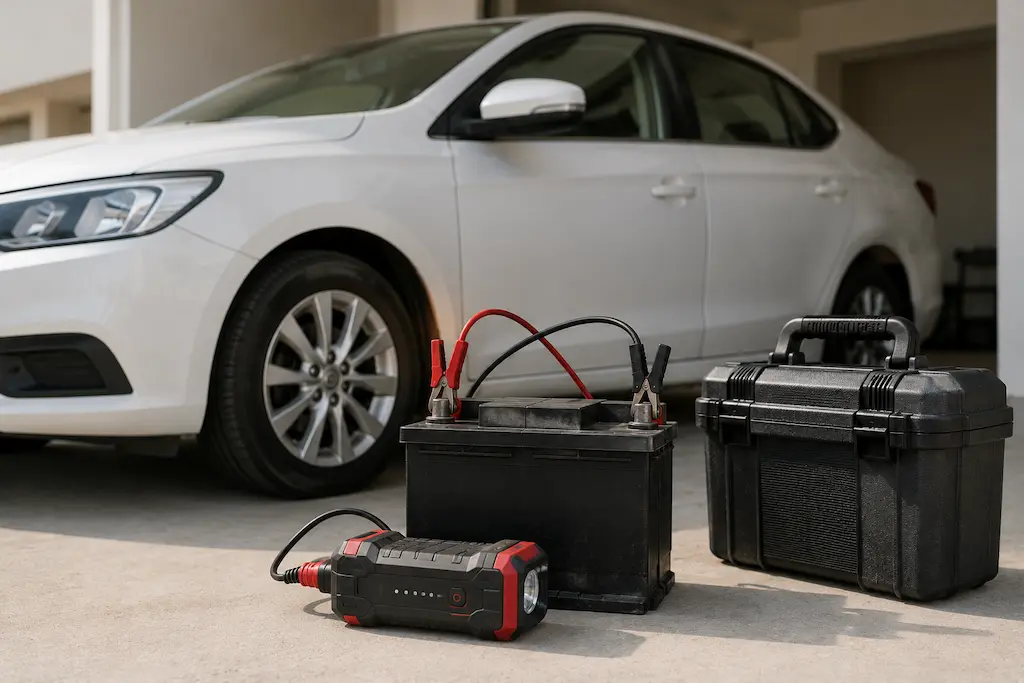
Buy or request a jump starter with real headroom above your engine’s minimum, not the exact number. If your sedan needs 400 amps on paper, a 600–800 amp unit gives you margin for Dubai heat and an aging battery. For diesel trucks and larger SUVs, don’t settle for anything under 1,000 amps.
If your car has stalled more than once recently, the issue may not be a one-off flat battery at all. It’s worth checking why your car keeps losing power while driving, since a jump start only solves the immediate problem, not a battery or alternator that’s failing for good.
If you’re leaving your car parked for an extended trip, whether that’s a summer spent away or a few weeks of light use, it’s worth knowing how to prevent a dead battery when your car sits unused, so you’re not the person standing in a car park wondering why nothing’s happening when you turn the key.
When to Call a Professional Instead of Guessing
Matching amps to your engine is straightforward once you know your fuel type and engine size, but there are cases where a portable jump starter simply isn’t the safer or faster option, hybrid and electric vehicles with sensitive 12V systems, batteries that are old enough to be genuinely unsafe to boost, or situations where you’re not confident about polarity and grounding. In those cases, a reliable car jump start in Dubai that carries properly rated equipment and knows UAE-specific battery conditions is a faster, safer call than trial and error in a car park.
Frequently Asked Questions
How many amps do I need to jump start a normal car?
Most petrol passenger cars need 400 to 600 cranking amps. Smaller four-cylinder engines can manage with as little as 300, while larger V6 and V8 engines run closer to 800 to 1,000.
Do diesel engines need more amps than petrol engines?
Yes. Diesel engines have much higher compression ratios, which means they typically require 1,000 to 2,000 amps or more, compared to 400 to 600 for a comparable petrol engine.
Can too many amps damage my car battery?
No. A vehicle’s electrical system only draws the current it needs. A jump starter rated well above your car’s minimum simply provides extra headroom, it won’t force excess current into the battery.
Does Dubai’s heat really affect how many amps I need? Indirectly, yes. Extreme heat degrades battery capacity faster than cold ever would in this climate, so a battery that’s been through a Dubai summer often needs more current to start than its original rating suggests.
What’s the difference between peak amps and cranking amps? Peak amps is a brief, sub-second burst figure often used for marketing. Cranking amps is the sustained current a unit can deliver for the several seconds an engine actually needs to turn over, and it’s the number that matters when choosing a jump starter.
Conclusion
The right amperage isn’t one number, it’s a range that depends on your engine size, your fuel type, and how much heat your battery has already been through. A compact petrol sedan and a diesel SUV are not the same job, and treating them as if they were is exactly how people end up standing in a car park with a jump starter that was never going to work. Know your vehicle, buy or ask for equipment with real headroom, and when the situation calls for it, don’t gamble on guesswork, call someone who deals with UAE battery failures every day.
If your battery’s given up right now, don’t wait it out. Get a jump start in Dubai and we’ll be at your location with the right equipment for your vehicle.