

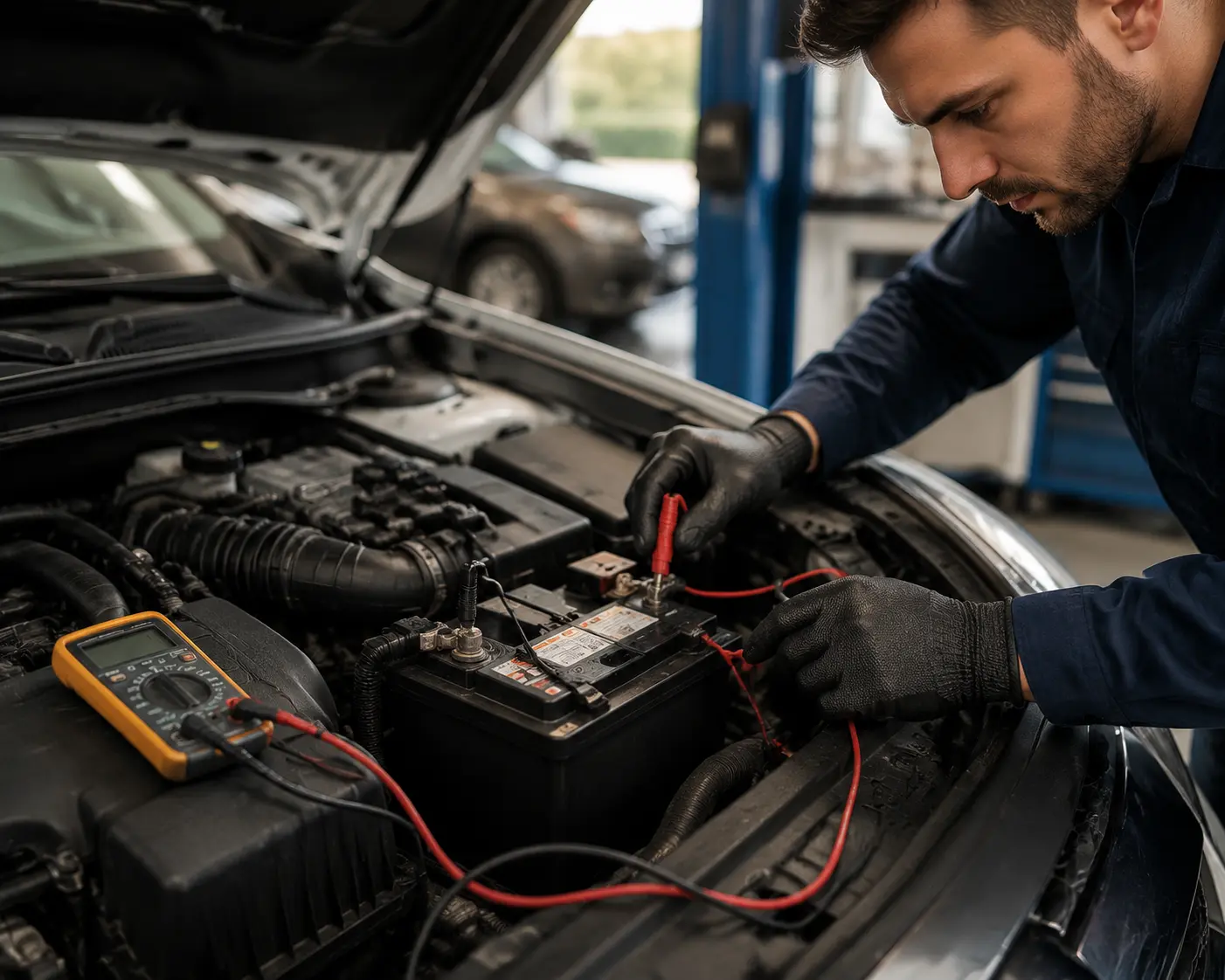


Farah was heading out of the country for a two-week trip and left her car parked without any concerns. When she returned to Dubai, she found the battery completely dead and had to wait for roadside assistance in the heat.
This is one of the most common situations our technicians handle. A parked car can still lose battery charge due to alarms, electronics, and Dubai’s extreme temperatures. From our experience providing jumpstart in Dubai, we know that a dead battery after a long trip is often preventable with the right preparation.
In this guide, we’ll explain why car batteries lose charge while parked, how to protect your battery during long trips, and how professional car jumpstart service in Dubai can help you get back on the road quickly.
Why Batteries Drain Even When the Car Isn’t Running
It’s a common misconception that a battery only loses charge while the engine is off for extended periods due to age or a fault. In reality, even a perfectly healthy battery experiences a slow, natural discharge over time, and modern cars make this worse. Alarm systems, GPS trackers, keyless entry modules, and onboard computer memory all draw small amounts of power continuously, even with the car fully switched off. In Dubai’s summer heat specifically, this discharge happens noticeably faster than in cooler climates, which is why a car that might sit safely for a month elsewhere can struggle after just one or two weeks here.
1. Disconnect the Battery for Extended Absences
If you know you’ll be away for more than two weeks, physically disconnecting the negative terminal is one of the most effective ways to stop the slow drain entirely. It cuts off power to the alarm, computer memory, and any other systems quietly pulling from the battery. It’s a five-minute task that can save you an hour of frustration when you return.
2. Use a Battery Maintainer or Trickle Charger
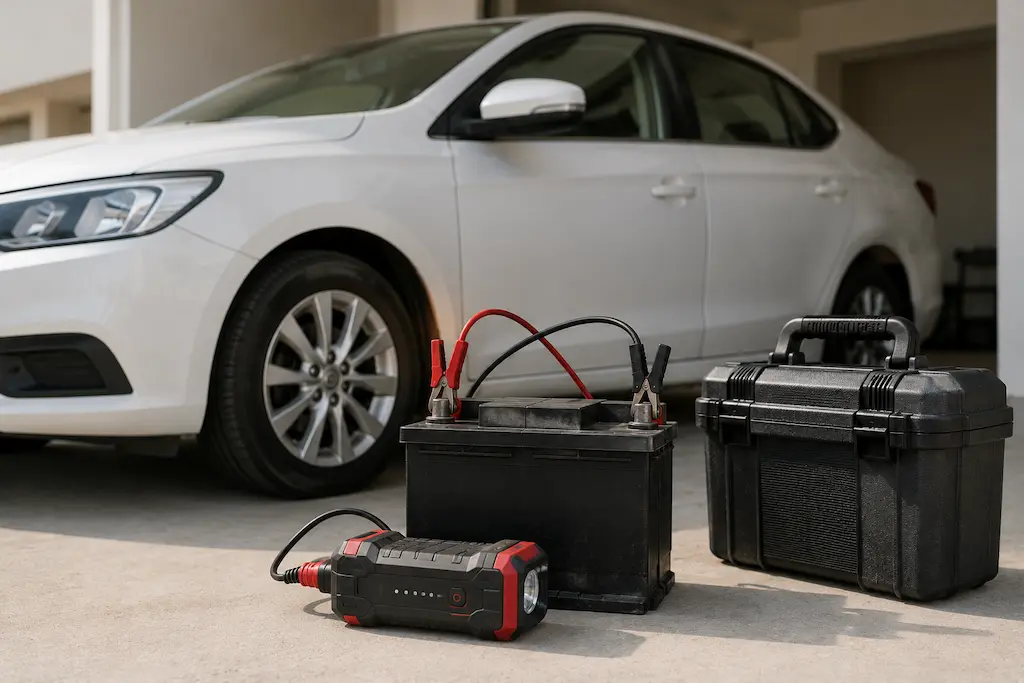
For cars parked for shorter, but still extended, periods, a battery maintainer (sometimes called a trickle charger) is a worthwhile investment. These devices deliver a slow, steady charge that keeps the battery topped up without overcharging it, ideal for cars sitting in a driveway, garage, or long-term parking spot while you travel.
3. Avoid Parking in Direct, Prolonged Heat
Where possible, park in a shaded or covered spot rather than direct sunlight for extended periods. Heat accelerates the internal chemical degradation of a battery, so a car left baking in the sun for two weeks will typically lose charge faster than one parked in shade or an indoor garage.
4. Have Someone Start the Car Periodically
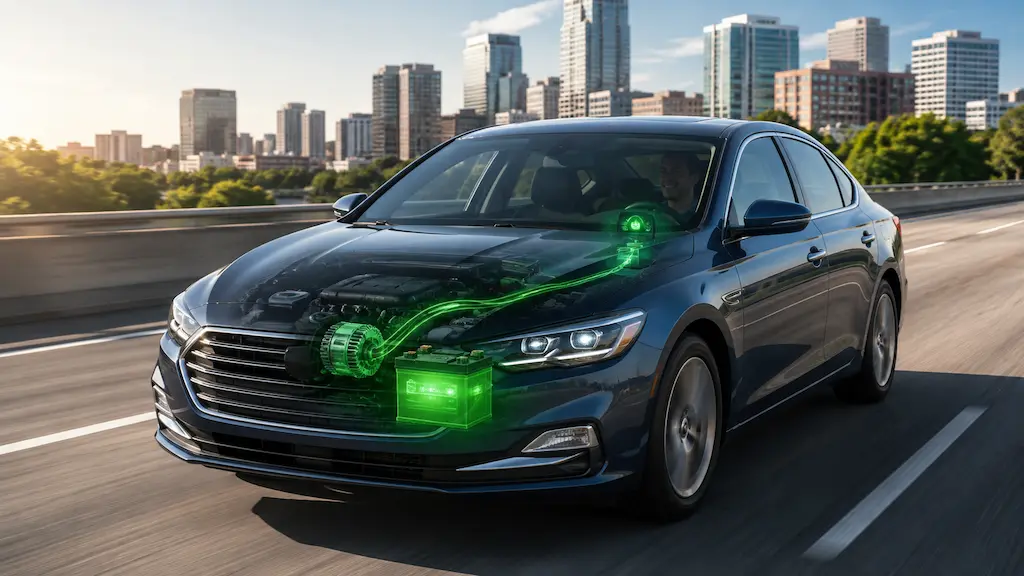
If disconnecting the battery or using a maintainer isn’t practical, having a friend, neighbor, or family member start the car and let it run for 15 to 20 minutes every week or so gives the alternator a chance to recharge the battery naturally. This is a simple, low-cost option if you’re away and someone nearby can help.
5. Check the Battery’s Age Before You Travel
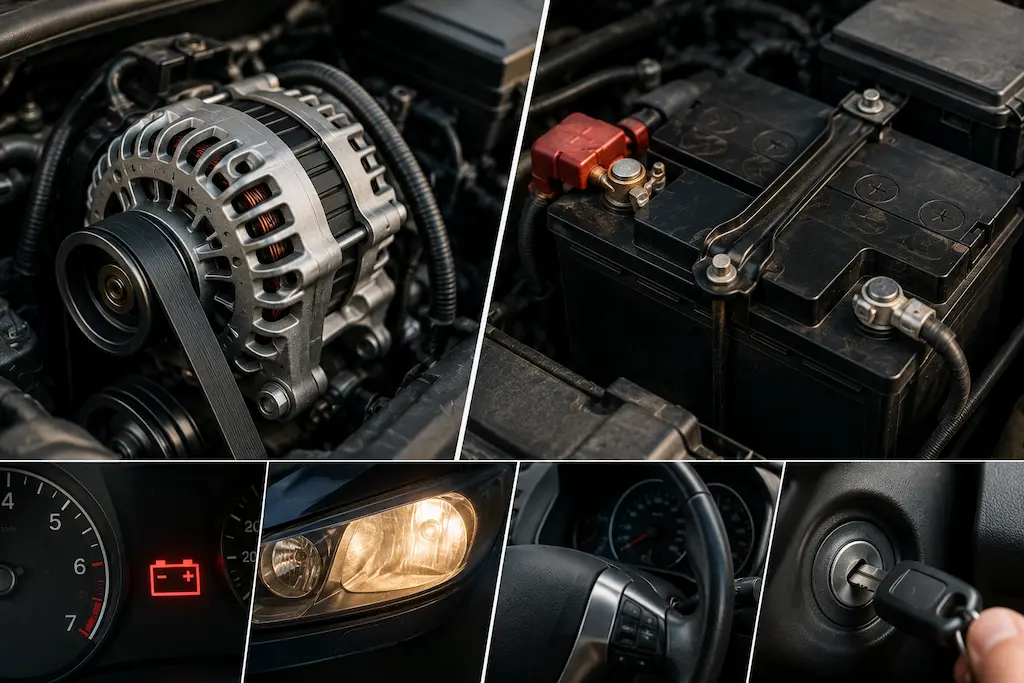
A battery already nearing the end of its lifespan is far more vulnerable to a prolonged parked period. If your battery is more than three years old, it’s worth having it tested before an extended trip, catching a weak battery beforehand is far easier than dealing with a dead one on your return. Our breakdown of what really causes a dead car battery explains exactly how age and condition affect how quickly a battery drains when sitting unused.
6. Turn Off Everything Before You Leave
It sounds obvious, but it’s one of the most common oversights. Interior lights, dashcams left plugged in, phone chargers, and aftermarket accessories can all continue drawing power if left connected. Do a final walkthrough before locking up for an extended period, unplug anything that doesn’t need to stay powered.
What to Do If You Come Back to a Dead Battery Anyway
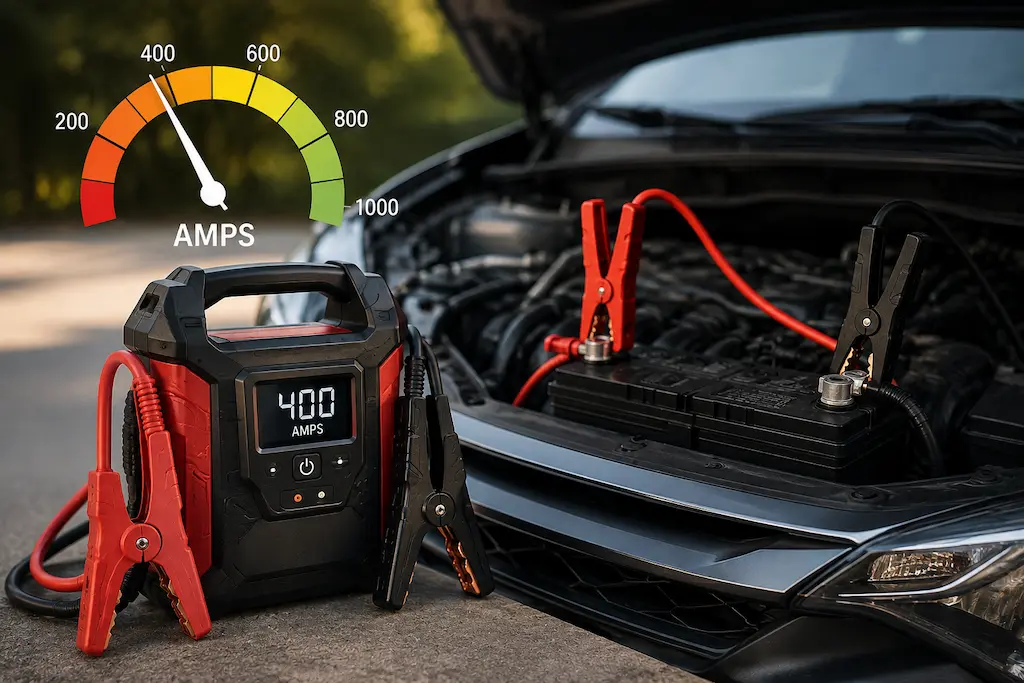
Even with precautions, sometimes a battery still drains fully, especially after longer trips or in peak summer heat. If this happens, avoid repeatedly trying to start the engine, as this puts unnecessary strain on the starter motor. Instead, a professional jump start service in Dubai can get you moving again safely and check whether the battery has recovered properly or needs replacing. If you’re planning to jump-start it yourself, our guide on safely jump-starting a car in Dubai walks through the correct process, since doing it incorrectly in extreme heat can risk further damage to the battery or your car’s electronics.
Frequently Asked Questions
How long can a car sit before the battery dies in Dubai?
It varies by vehicle and battery health, but in Dubai’s heat, a battery can noticeably weaken within one to two weeks, faster than in cooler climates, especially in older batteries or vehicles with heavier electronic loads.
Is it better to disconnect the battery or use a maintainer?
For trips longer than two weeks, disconnecting the battery is the most effective option. For shorter, recurring absences, a maintainer is more convenient since it keeps the battery ready without needing reconnection each time.
Does parking in a garage really make a difference?
Yes, shaded or indoor parking slows the rate of heat-related battery degradation significantly compared to direct sun exposure for extended periods.
Can a completely dead battery still be saved?
In most cases, yes, a jump start followed by a proper charge and diagnostic check can determine whether the battery has recovered or needs replacing.
Is it safe to jump-start a car in extreme Dubai heat?
Yes, but it should be done carefully, following the correct sequence and safety precautions, since heat makes batteries more sensitive during the process.
Final Thoughts
A dead battery after time away is one of the most preventable car troubles out there, it almost always comes down to a few simple habits before you leave. Farah’s situation could have been avoided entirely with a maintainer or a quick battery check before her trip. Whether you’re heading away for a weekend or a month, a little preparation goes a long way toward making sure your car starts the moment you’re back, no surprises, no waiting around in the heat.