

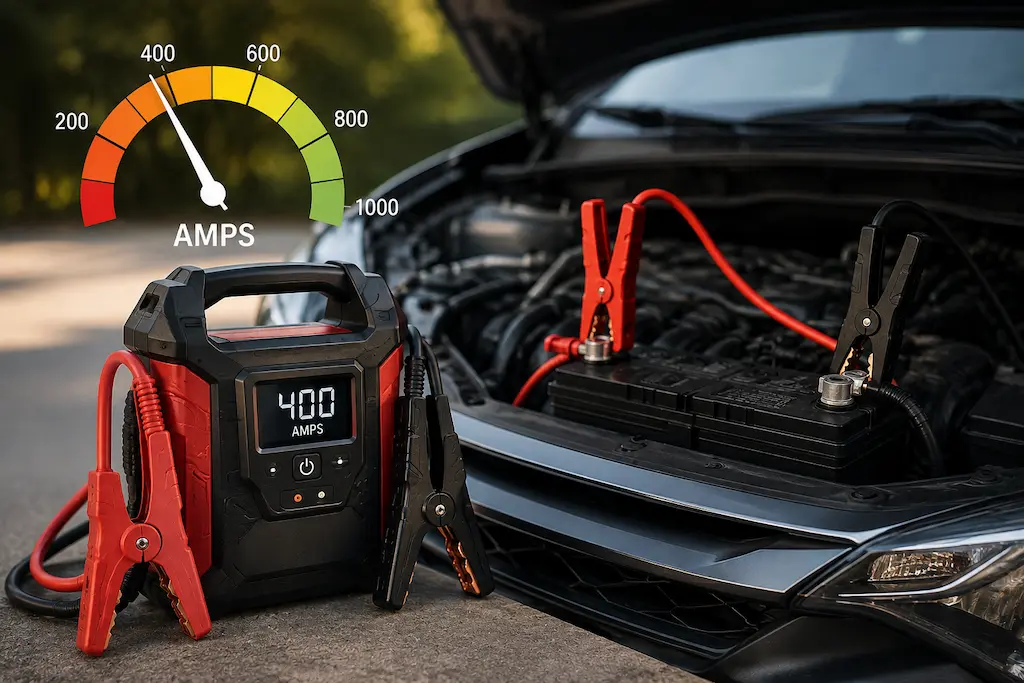
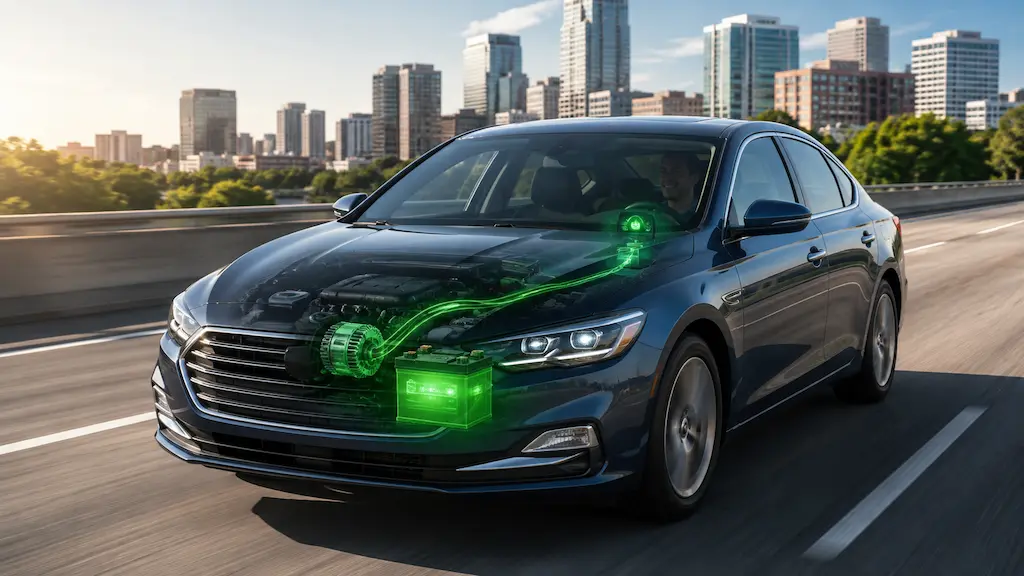
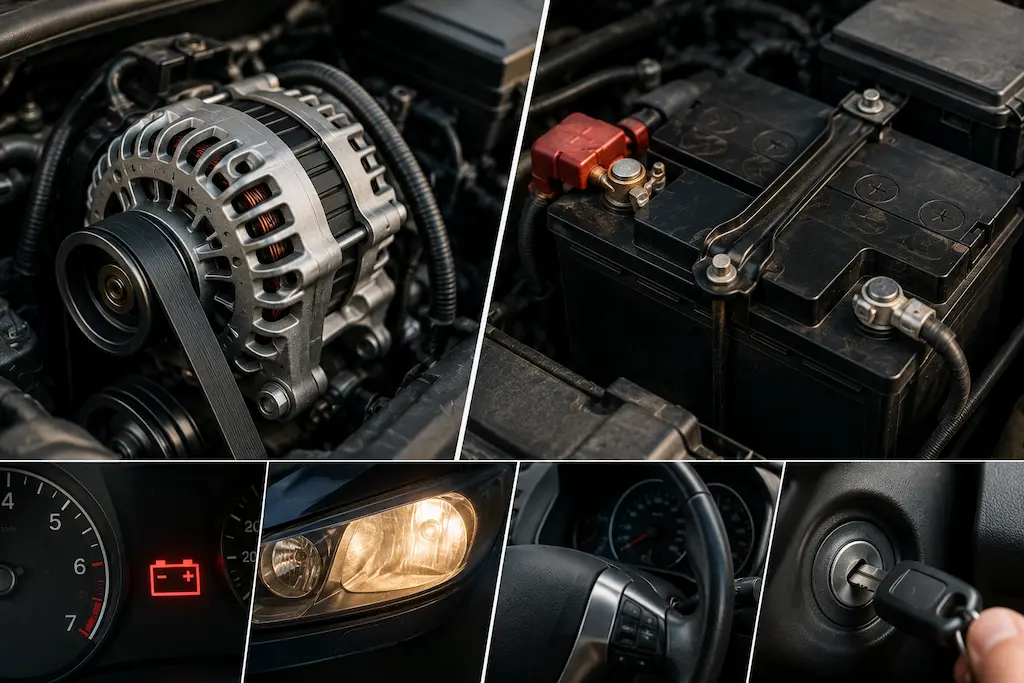
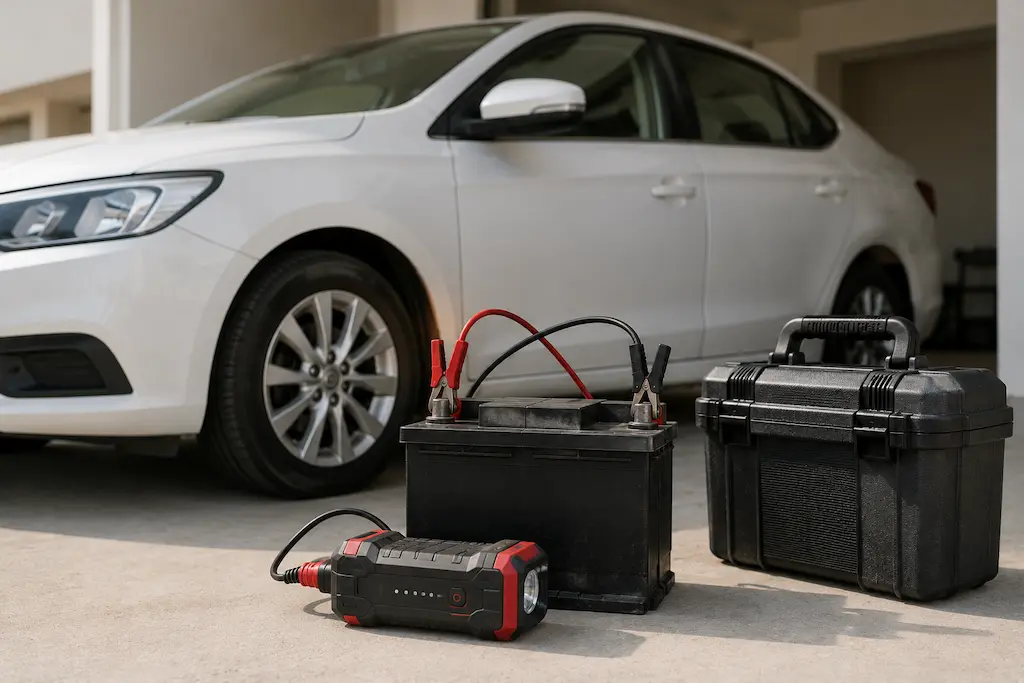
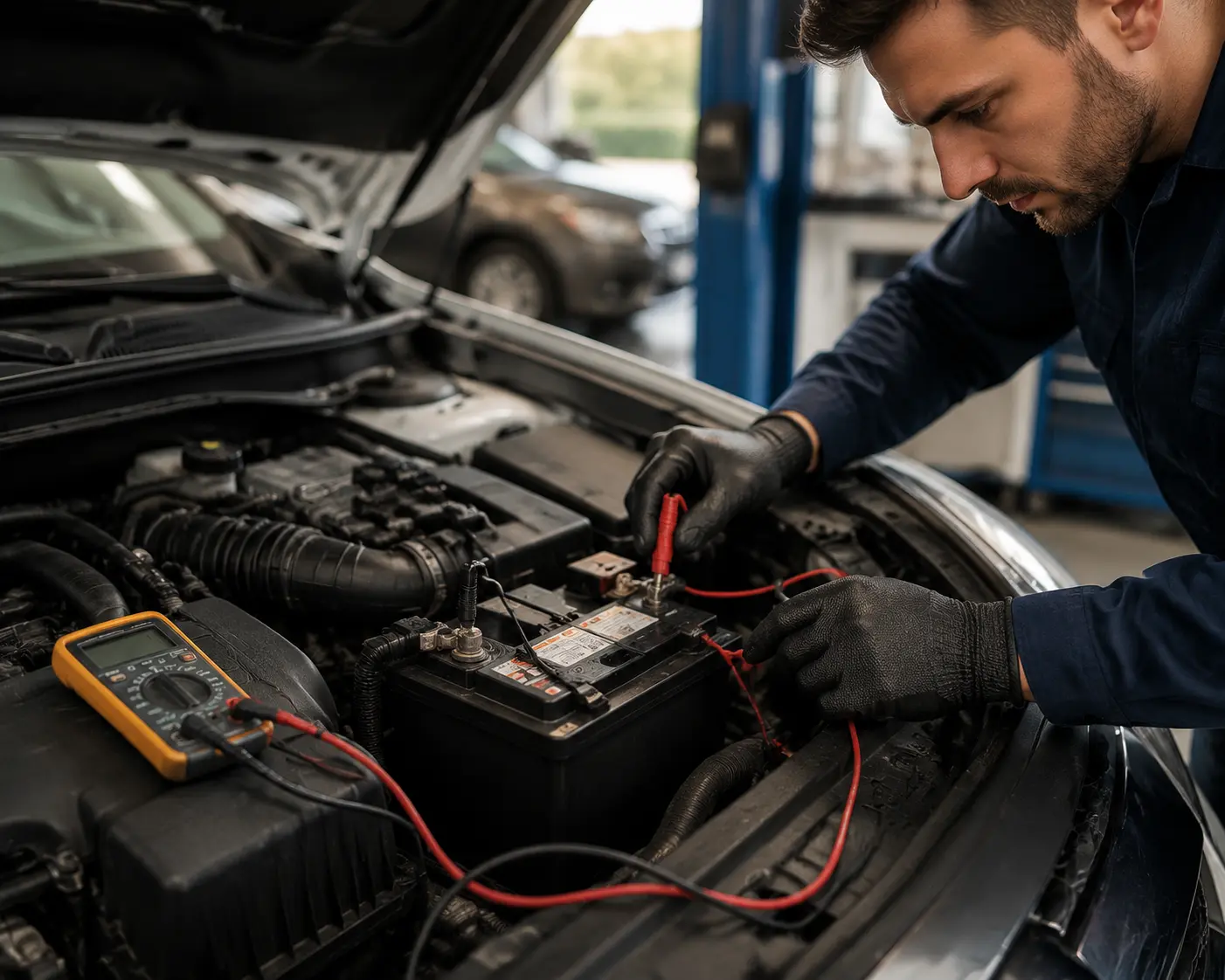


Before you reach for the jumper cables, you need to understand what jump-starting actually is. Simply put, it is using the battery of another vehicle to give enough power to the dead battery to get it started. Although this process is rather simple, a great deal of trouble can occur in terms of sparks, battery damage, or injury to a person themselves.
That’s why knowing the correct order of steps, the right equipment, and the warning signs to watch for matters just as much as knowing the basic concept. And if you’d rather skip the hassle altogether, you can always book a jump start in Dubai and have a professional handle it for you.
This guide walks through the entire process from start to finish, drawing on standard automotive safety practices used by mechanics and roadside assistance professionals, so you can get your car running again without putting yourself, your vehicle, or someone else’s vehicle at risk.
What You Need Before You Start
A successful jump-start depends on having the right tools on hand and a basic understanding of your vehicle. You’ll need a set of jumper cables (ideally 4-gauge or thicker for reliable power transfer), a working vehicle with a healthy battery of similar voltage, and a flat, safe location to park both cars.
It also helps to have your owner’s manual nearby, since some newer vehicles, particularly those with sensitive electronics or hybrid systems, have specific jump-start instructions or dedicated terminals that differ from the standard process.
Before connecting anything, inspect the dead battery. If you notice cracks, leaking fluid, or a strong rotten-egg smell, do not attempt to jump-start it. A damaged battery can leak corrosive acid or, in rare cases, rupture. In this situation, the safer move is to call a professional or roadside assistance service.
Top Safety Tips for Jump Starting a Car
1. Condition Your Vehicle and Battery
After spending years on Dubai’s roads, I always inspect both vehicles before jump-starting them. A cracked, leaking, or swollen battery is very dangerous and should never be jump-started.
Steps:
- Check if the battery casing is damaged.
- Clean terminals, which should be free of corrosion.
- Both cars should be in either “park” or “neutral” and should have their parking brakes put on.
2. Use High-Quality Jumper Cables
There is a difference between jumper cables. All the time, there should be a heavy-duty, insulated set in the vehicle because, as I’ve seen during car jump start service in Sharjah, thin or frayed cables heat up badly.
Tip: Use 4 to 6-gauge cables for standard passenger cars in hot Dubai.
3. Make Sure to Properly Connect the Jumper Cables
One of the most critical steps is orderly connecting the cables in order not to spark or damage the battery.
Proper sequence:
- The red cable goes from the positive post of the dead battery to the good battery’s positive post.
- Moves to include a black (negative) cable to the good battery’s negative terminal.
- Last part: attach the remaining black cable to an unpainted metal surface on the dead car, away from the battery.
Attach one end of the black cable to a dead battery’s negative terminal, but it could produce sparks.
4. Safe Distances and Sparks
The environmental conditions in Dubai when jump-starting are always hot, such that the battery can be sensitive; make sure that you are free from any flammables when connecting cables, and at that, don’t bring the tip of your face close to the battery.
Actionable tips:
- Use safety gloves and glasses if possible.
- Maintain a safe distance between the jump-start area and any children or pets.
- Avoid smoking around the car.
5. Start Your Vehicle in the Right Manner
Once these connections have been made, start the living battery first; then try to start the dead battery car. If it does not take after two or three attempts, wait a moment or two before trying again. Over-trying will overheat the battery or starter motor.
Run the car for 15 to 20 minutes post-jump-starting so that the battery gets the right charge before switching off the engine.
Common Mistakes to Avoid
- Using damaged or poor-quality jumper cables.
- Things that were not audible before a jump-start, a clear battery shape, or a high temperature.
- Wrong Sequence of Connecting Cables.
- Jump-starting at unsafe spots like heavy streets without any precautions.
Conclusion
Jump-starting a car doesn’t necessarily have to prompt occasional stress when the correct safety precautions are in place. From my experience on Dubai roads, being careful, using quality equipment, and following the correct procedure, essentially understanding how to jump start a car safely. Ensures a smooth and safe vehicle jump start every time. Keep these tips in mind, and you’ll handle the next hassle of a dead battery with confidence and safety.
Remember, safety always comes first. Your car can be replaced, but you cannot.
Frequently Asked Questions
Is it safe to jump-start a car yourself?
Yes, it is safe to jump-start a car if you follow the correct procedure and use the proper equipment. Before connecting jumper cables, inspect the battery for cracks, leaks, or swelling. Always connect the cables in the correct order and wear protective gloves and eye protection whenever possible.
Can jump-starting damage my car battery?
A properly performed jump start should not damage a healthy battery. However, using the wrong cable sequence, connecting the wrong terminals, or attempting to jump-start a damaged battery can harm the battery, alternator, starter motor, or your vehicle’s electrical system.
How long should I leave my car running after a jump start?
After successfully jump-starting your vehicle, let the engine run for at least 15 to 30 minutes or drive the car for that period. This allows the alternator to recharge the battery. If the battery repeatedly dies, it should be tested or replaced.
When should I avoid jump-starting a car?
Do not attempt to jump-start your vehicle if the battery is cracked, leaking, swollen, or giving off a strong sulfur (rotten egg) smell. These are signs of battery damage and may pose a safety risk. In such cases, contact a professional roadside assistance service.
What type of jumper cables should I use?
For most passenger vehicles, use heavy-duty insulated jumper cables with a 4- to 6-gauge wire. Thicker cables provide better power transfer, especially in hot climates like Dubai, and reduce the risk of overheating.