
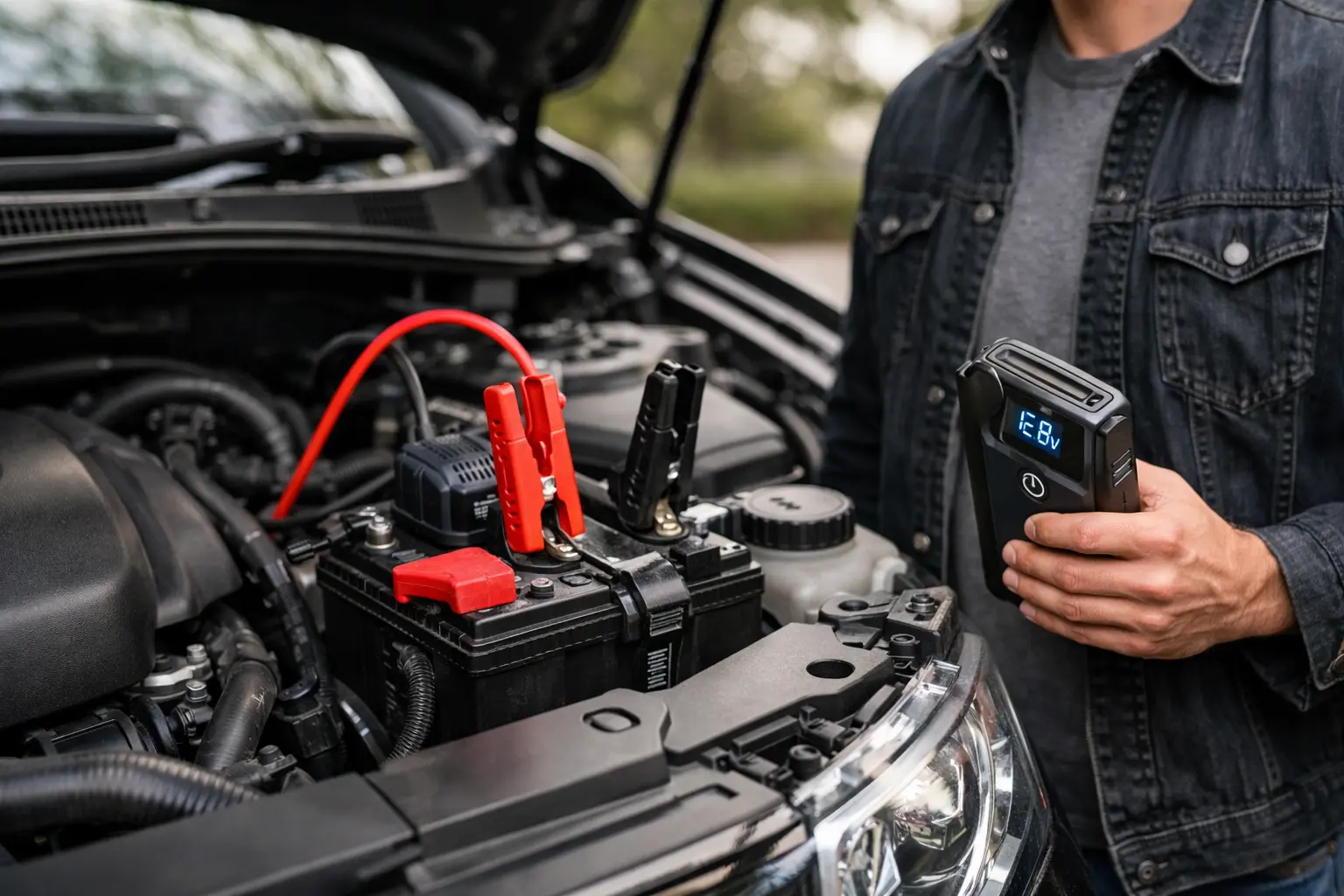
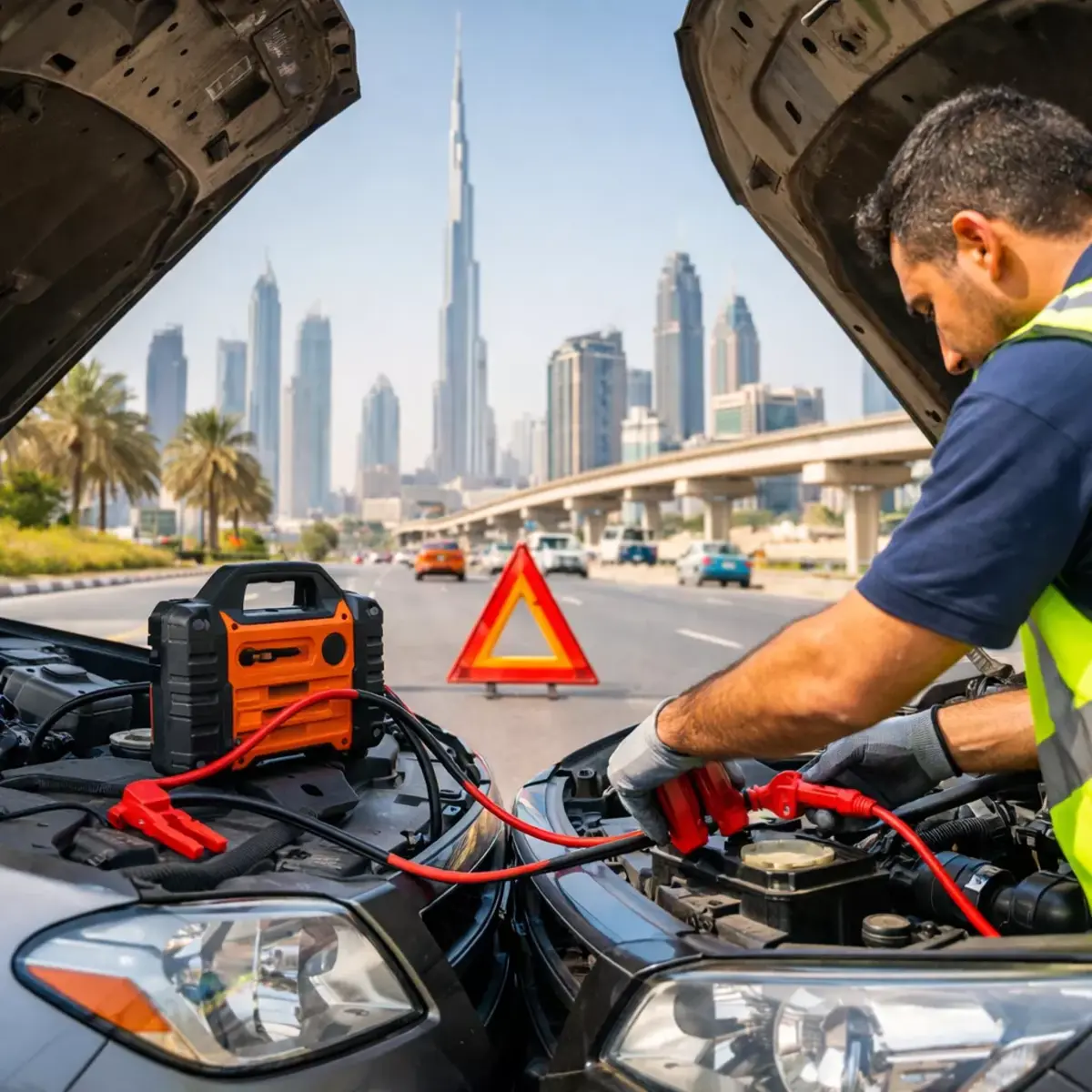

Dealing with a car that won’t start is always frustrating. I’ve been there countless times, especially during early mornings or late nights when I was in a hurry. Over the years, I’ve learned the safest and most effective way to jumpstart a car with a low battery. When I was in Dubai last year, I had an experience with a Car Jump Start in Dubai, and that taught me a lot about how to handle it safely and efficiently.
Jumpstarting a car might sound intimidating for beginners, but with the right approach and precautions, it’s straightforward. Here’s a step-by-step guide from my own experience.
Understanding a Low-Car Battery
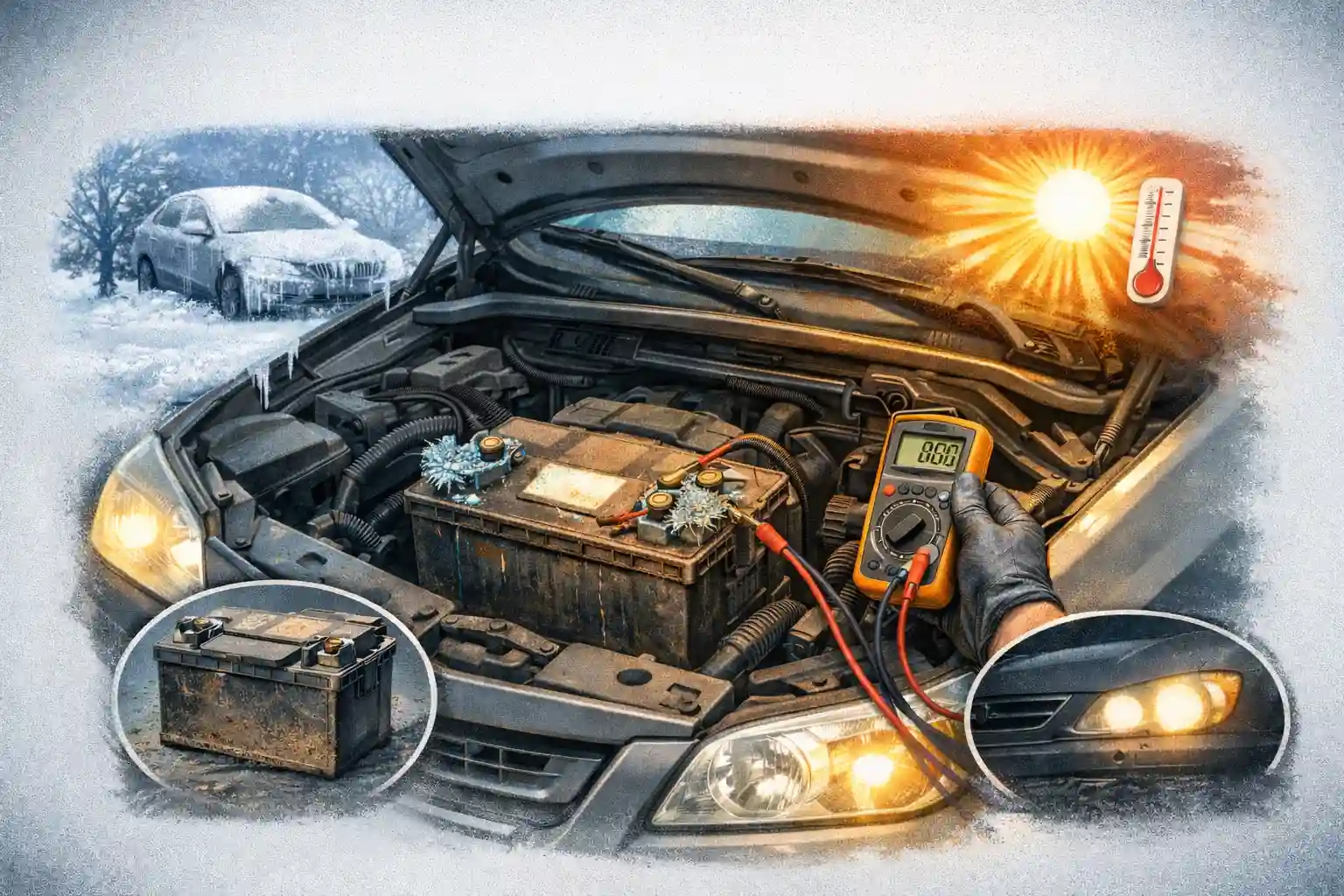
It’s important to understand the reason behind a weak car battery before trying to jumpstart it. From my experience:
- Leaving lights on: Even dashboard lights can drain the battery overnight.
- Old battery: Most car batteries have a lifespan of about three to five years. Beyond that, they may struggle to hold a charge.
- Extreme weather: Cold winters or scorching summers can weaken a battery.
Knowing the cause helps prevent repeated problems and ensures you don’t damage your vehicle while jumpstarting. From my own experience, having access to a reliable Car Jump Start Service in Sharjah can make the process much safer and stress-free.
Safety Precautions Before Jumpstarting
Jumpstarting a car incorrectly can be dangerous. Here’s what I always do to ensure safety:
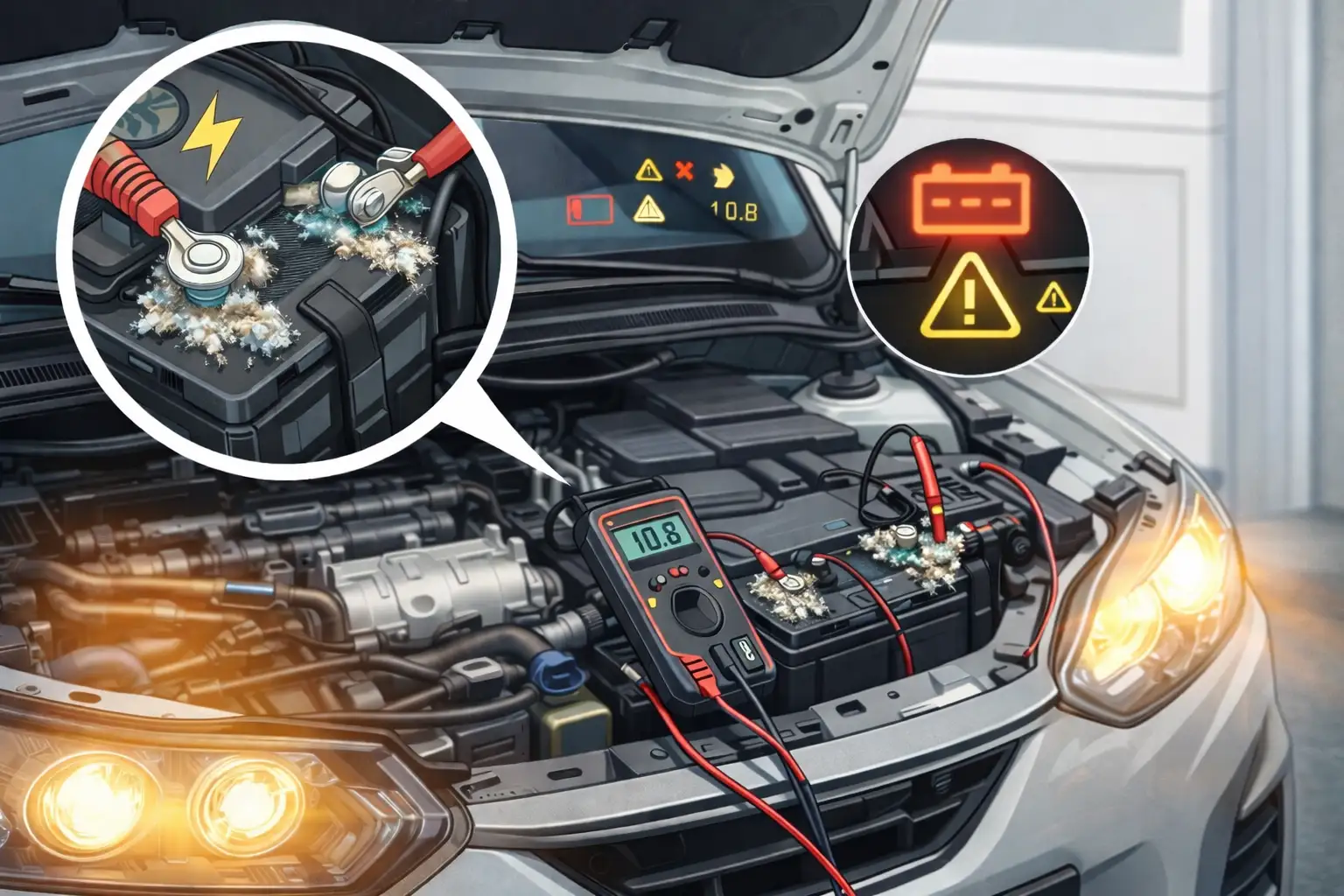
- Check battery condition: Look for cracks or leaks. Never attempt a jump if the battery is damaged.
- Use protective gear: Gloves and safety glasses can prevent acid burns or sparks.
- Avoid flammable materials: Ensure the area around the battery is free from gasoline or other combustibles.
- Read the manual: Some modern vehicles have sensitive electronics, and wrong connections can cause costly damage.
By following these precautions, you can minimize risk and protect both yourself and your car.
Step-by-Step Guide to Jumpstarting a Car
Here’s the process I follow whenever I jumpstart a car with a low battery:
1. Gather Your Tools
- Jumper cables.
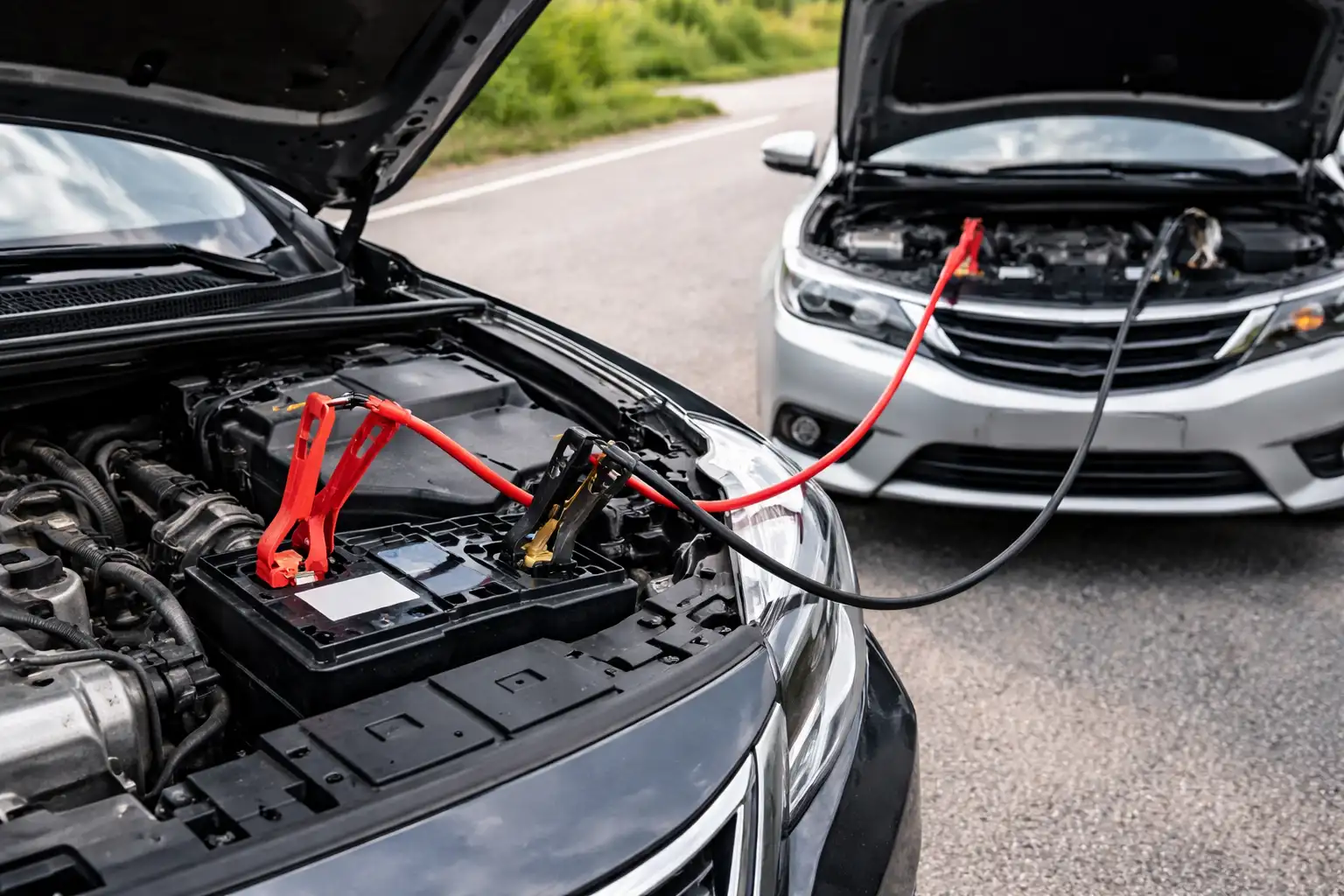
- Another vehicle with a fully charged battery.
2. Position the Cars
- Park the working car close enough for cables to reach both batteries.
- Make sure cars are not touching to prevent electrical shorts.
3. Connect the Jumper Cables Properly
- Red to dead: Attach the red (positive) cable to the positive terminal of the dead battery.
- Red to live: Connect the other end of the red cable to the positive terminal of the good battery.
- Black to live: Attach the black (negative) cable to the negative terminal of the good battery.
- Black to metal: Connect the other end to an unpainted metal surface on the dead car’s engine block. This prevents sparks near the battery.
4. Start the Engine
- Start the car with the good battery first. Let it run for a few minutes.
- Attempt to start the dead car. If the car doesn’t start right away, give it a few more minutes before attempting again.
5. Disconnect Safely
- Remove cables in reverse order: black from metal, black from good battery, red from good battery, red from dead battery.
- Avoid touching cable clamps together or letting them touch the car body.
Tips to Maintain a Healthy Car Battery
From years of experience, I’ve learned that prevention is better than a last-minute jumpstart. Here are some tips:
- Drive regularly: Short trips may not fully charge the battery. Longer drives help maintain a healthy charge.
- Turn off electronics: Avoid leaving lights, radio, or AC on when the engine is off.
- Check battery age: Replace your battery every 3 to 5 years or if it shows signs of weakness.
- Keep terminals clean: Corrosion can prevent proper charging. Use a wire brush to clean terminals periodically.
Conclusion
Jumpstarting a car safely with a low battery doesn’t have to be stressful. By understanding your battery, taking proper safety precautions, and following the correct procedure, you can quickly get back on the road without damage or risk. Here’s how to jumpstart a car safely, ensuring that you protect both your vehicle and yourself during the process. From my personal experience, patience and proper technique are key; rushing often leads to mistakes. Keep jumper cables handy, and you’ll be prepared for unexpected battery problems anytime.