

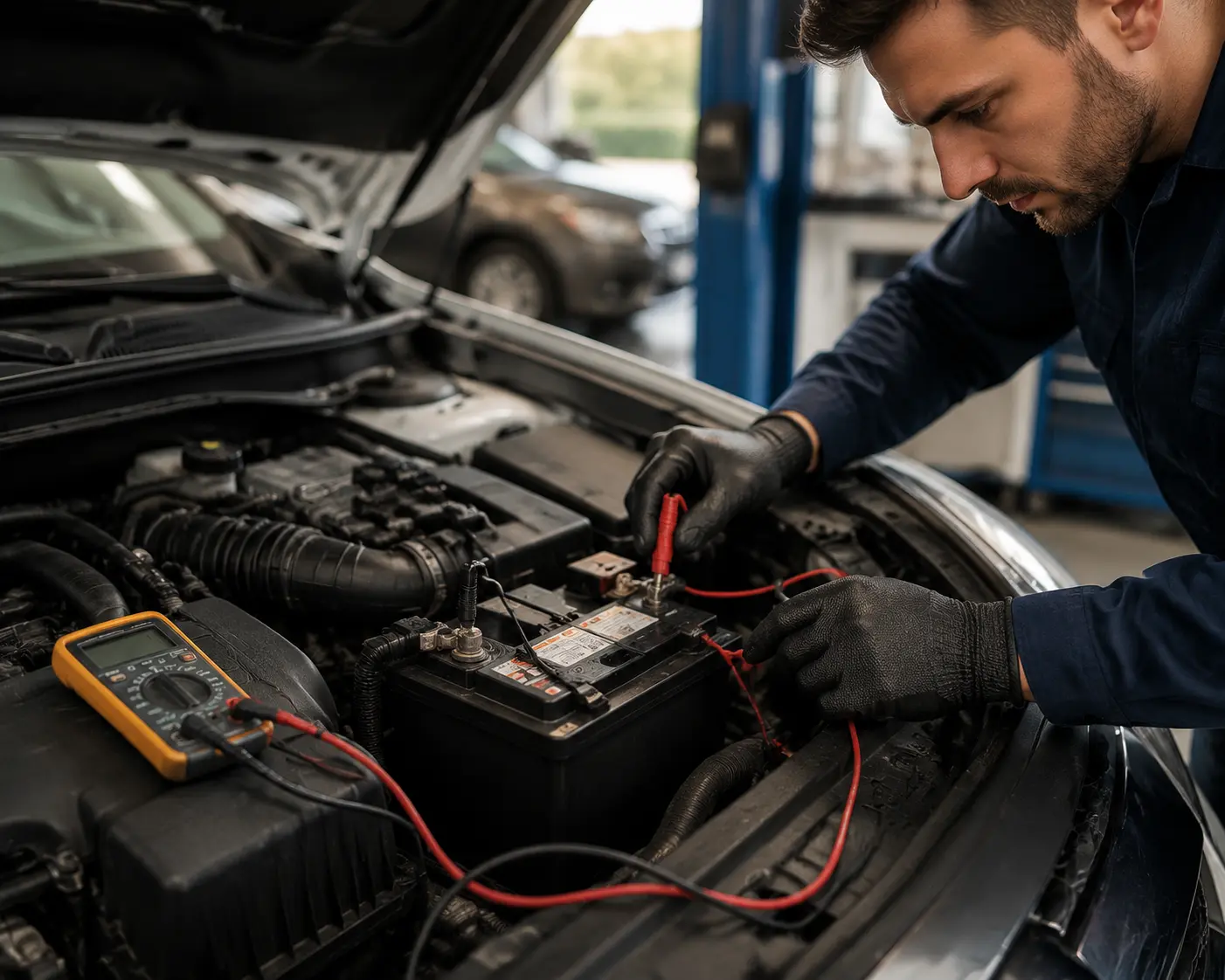


Omar was halfway across Al Maktoum Bridge when his dashboard lights flickered, the radio cut out mid-song, and his steering suddenly felt heavier, like the car itself was running out of breath. He eased off the accelerator, half expecting the engine to die completely, and limped the last kilometre to a side street with his hazards on. By the time he pulled over, the engine was still running, barely, and he had no idea whether he was minutes from a full breakdown or just dealing with a minor glitch.
That call came into our team on a Thursday evening, and it’s one of the most common breakdown patterns we see across Dubai. Our technicians respond to dozens of “power loss while driving” cases every month, and in the vast majority, the cause traces back to one of two components: the battery or the alternator. Knowing the difference before you’re stranded can save you an expensive tow and a lot of guesswork on the roadside. This guide is built directly from those real callouts, not textbook theory, so you can recognise the warning signs early and know exactly what to do next.
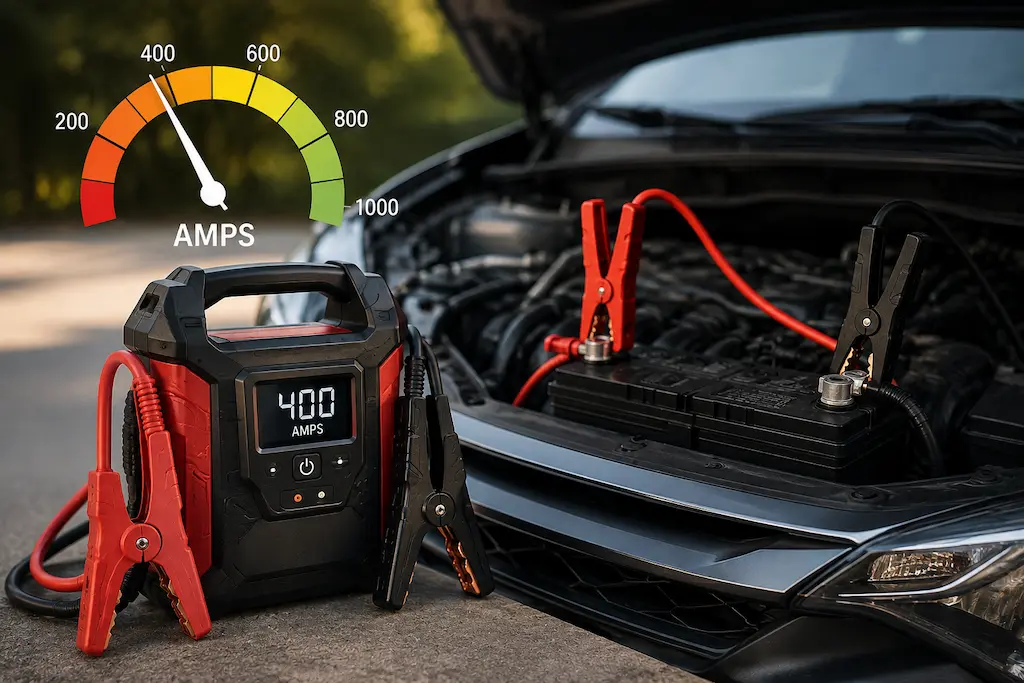
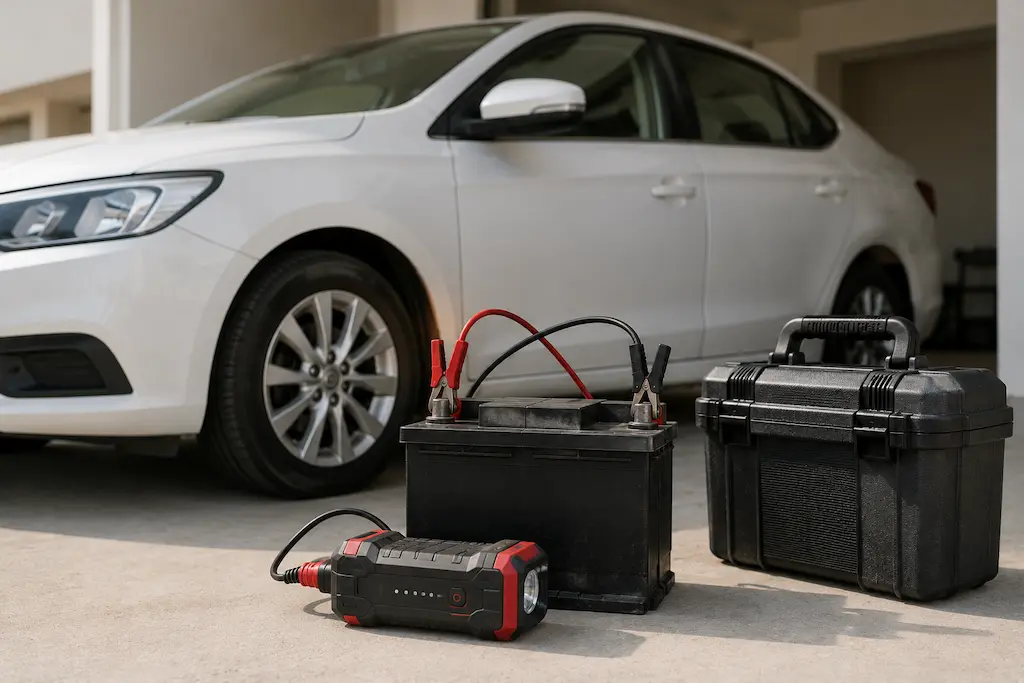
If your car is losing power right now, don’t wait for it to stall completely, a fast jump service in Dubai can get a technician to your exact location, test your battery and charging system on the spot, and get you moving again safely.
Step 1: Understand What’s Actually Happening
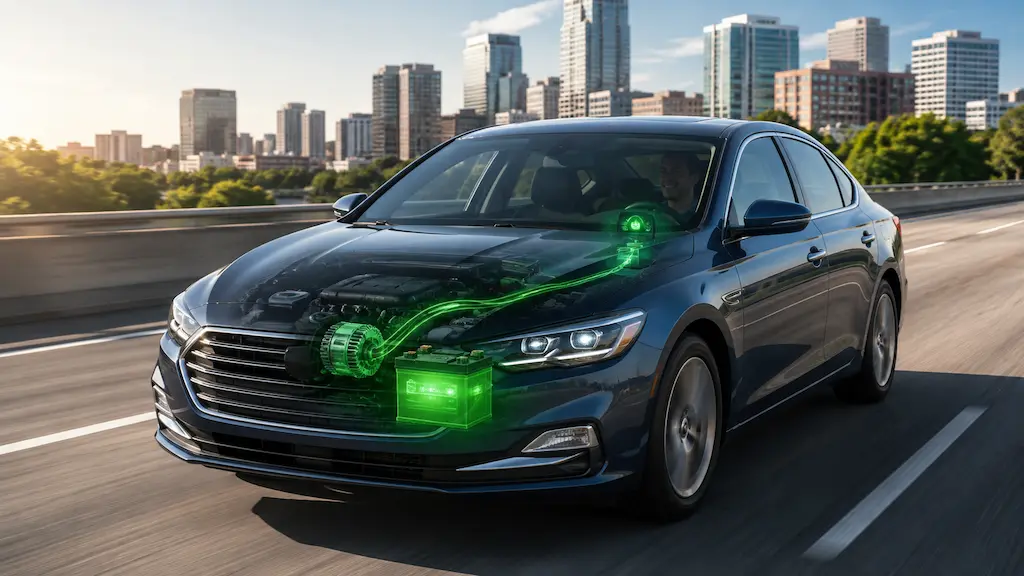
When a car loses power while driving, rather than simply failing to start, it usually means the electrical system is struggling to keep up with demand. Two components are almost always behind this:
- The battery stores and supplies power, especially during startup and short bursts of high electrical demand.
- The alternator keeps the battery charged and powers your electronics while the engine runs.
If either one is failing, your car can behave normally for a while and then suddenly lose power, dim, or stall, particularly under load, like when the AC, headlights, and infotainment system are all running at once.
Step 2: Battery or Alternator, Know the Signs
The symptoms overlap, but a few clues can point you in the right direction before a technician even arrives.
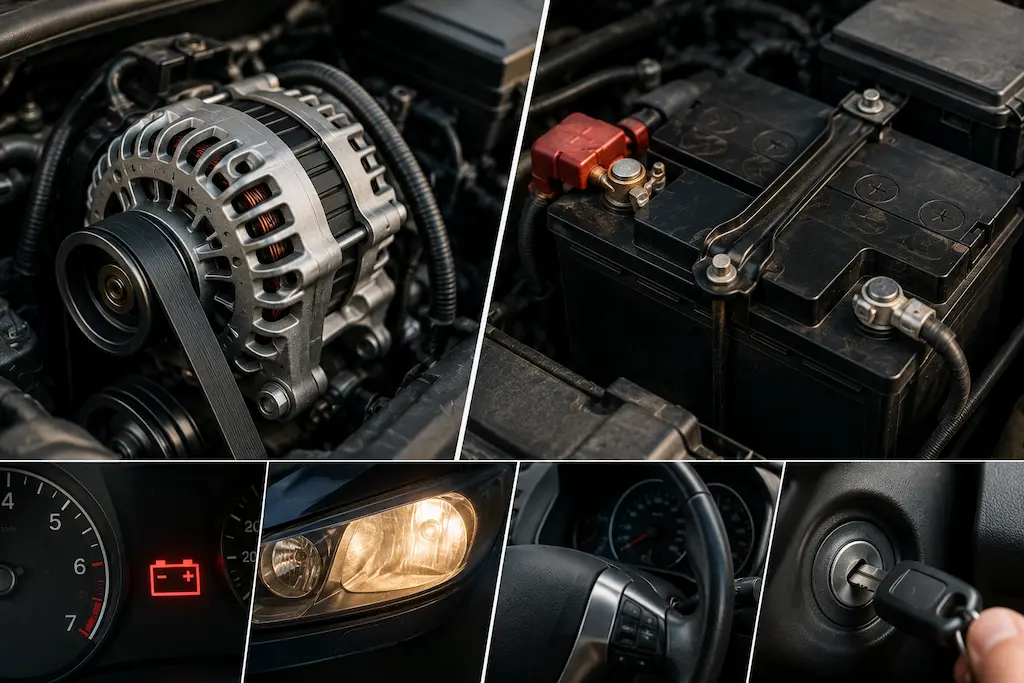
Likely a battery issue if:
- The car struggles to start but runs fine once going.
- Power loss happens more at idle or low speed.
- The battery is old (typically three years or more, faster in Dubai’s heat).
Likely an alternator issue if:
- Power loss happens while driving, especially with electronics running.
- You notice a burning rubber smell or a whining noise from the engine bay.
- The battery warning light stays on even after driving for a while.
- Your headlights dim further the longer you drive, rather than improving.
Omar’s case turned out to be a failing alternator, the battery had been fine, but it was no longer getting recharged properly, so it slowly drained mid-drive until the electrical system couldn’t keep up.
Step 3: Pull Over Safely, Don’t Push Your Luck
If you notice flickering lights, a stalling engine, or sudden power loss, don’t try to “drive it out” hoping it resolves itself. Ease off the road as soon as it’s safe, ideally somewhere away from moving traffic, and switch on your hazards. Continuing to drive on a failing electrical system risks a complete stall in the middle of traffic, which is far more dangerous than losing a few minutes to pull over early.
Step 4: Get the Right Diagnosis On the Spot
This is where many drivers waste time, and money, guessing. Rather than assuming it’s “just the battery” and buying a replacement that doesn’t fix the problem, a proper roadside diagnostic checks both the battery’s charge and the alternator’s output, so you’re not paying for the wrong fix. If you’re unsure how a dying battery actually behaves versus a charging system fault, our detailed breakdown on what really causes a dead car battery explains the underlying causes in plain terms.
Step 5: Know What Happens If It Fails Mid-Drive
Sometimes the warning signs come too late, and the car dies while you’re still moving, not just parked. That scenario carries its own specific risks and steps, which we’ve covered separately in our guide on what to do when a car battery dies while driving in Dubai, worth reading even if you’re not stuck right now, so you recognise the pattern before it happens again.
A Quick Recap for Next Time
- Notice the early signs, dimming lights, stalling, or electrical glitches, and don’t ignore them.
- Pull over safely rather than pushing through traffic.
- Get a proper diagnosis of both the battery and alternator, not a guess.
- Call for a technician who can test and fix it on the spot.
- Replace whichever component is actually at fault, not just the obvious one.
Frequently Asked Questions
Can a bad alternator drain a good battery?
Yes, if the alternator isn’t charging properly, the battery slowly drains while you drive, even if the battery itself was healthy to begin with.
Why does my car lose power only when I use the AC or headlights?
This usually points to a weak alternator that can’t keep up with the extra electrical load, a classic early sign of charging system trouble.
Is it safe to keep driving if my car is losing power gradually?
No, it’s best to pull over as soon as it’s safe. Continuing to drive risks a complete stall, especially in traffic.
How do I know if I need a new battery or a new alternator?
A proper diagnostic test on both components is the only reliable way to know, guessing based on symptoms alone can lead to replacing the wrong part.
Can extreme heat make battery or alternator issues worse?
Yes, Dubai’s high temperatures accelerate battery wear and put extra strain on the charging system, making both issues more common and more sudden here than in cooler climates.
Conclusion
Losing power while driving is unsettling, but it almost always comes down to two suspects: the battery or the alternator. Recognising the early signs, pulling over safely, and getting an accurate diagnosis, rather than guessing, is what separates a quick fix from a repeat breakdown. Omar was back on the road within the hour, once the actual cause was confirmed on the spot rather than assumed.