



It was 6 a.m. in a Dubai parking garage last summer when I got the call. A man had jumped his sedan four times that week and was convinced something was “draining” it overnight. He wanted me to hunt for a phantom electrical fault. Two minutes with a load tester told the real story: the battery was three years old, baked by a UAE summer, and done. He didn’t need another boost, he needed a new battery. He’d spent the week solving the wrong problem.
That’s the trap nearly every driver falls into eventually. Your car won’t start, the dashboard is dim, and the two possible answers-“New battery or a jumpstart”-feel identical in the moment. But the fix and the cost are very different. A jumpstart gets you moving in minutes. A failing battery will leave you stranded again tomorrow, no matter how many times you boost it.
After more than a decade helping drivers diagnose dead cars on the roadside, I’ve learned that the answer usually comes down to a handful of clear signs. Here’s how to read them so you don’t waste money replacing a battery that’s fine, or keep limping along on one that’s already done.
What’s the Real Difference Between a Jumpstart and a Replacement?
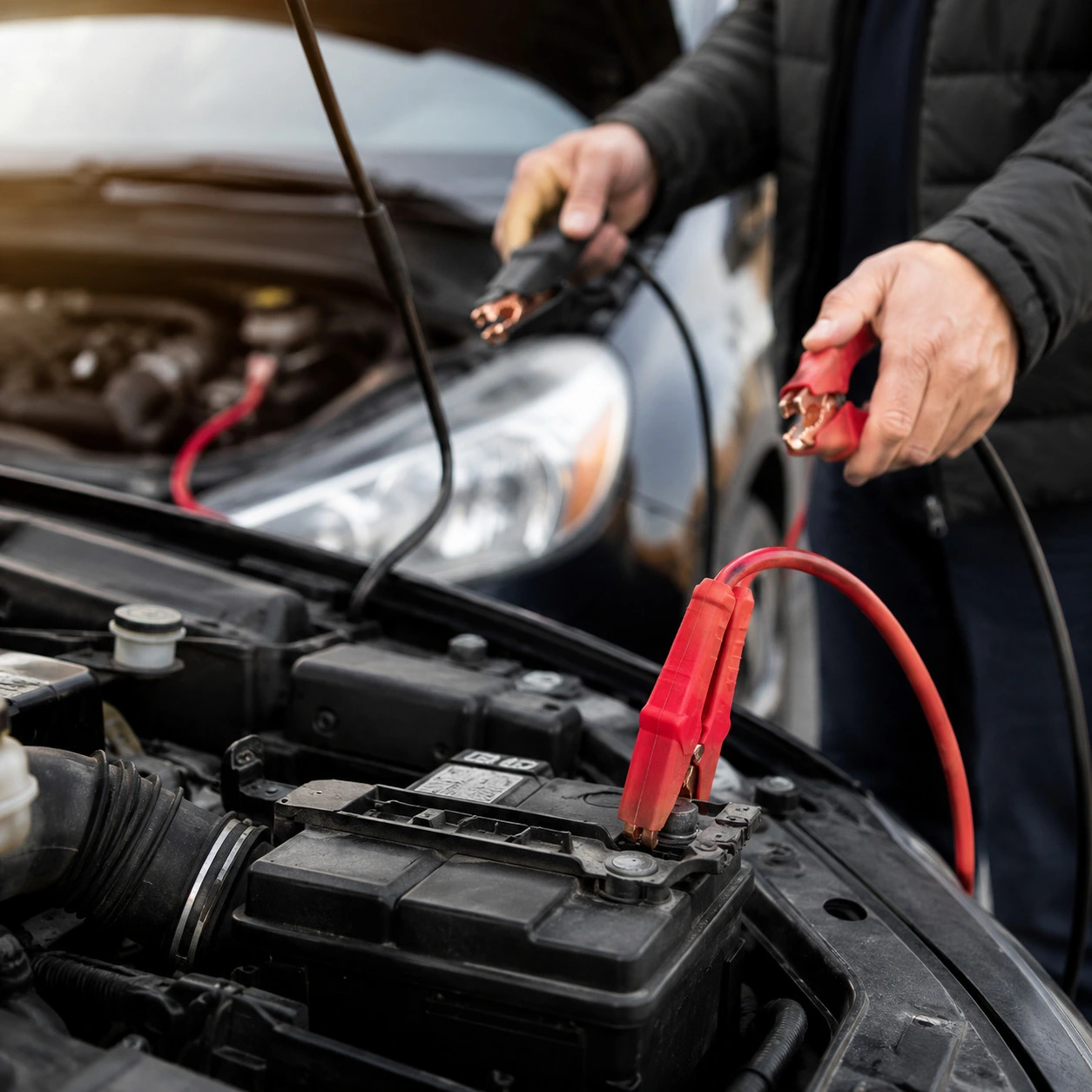
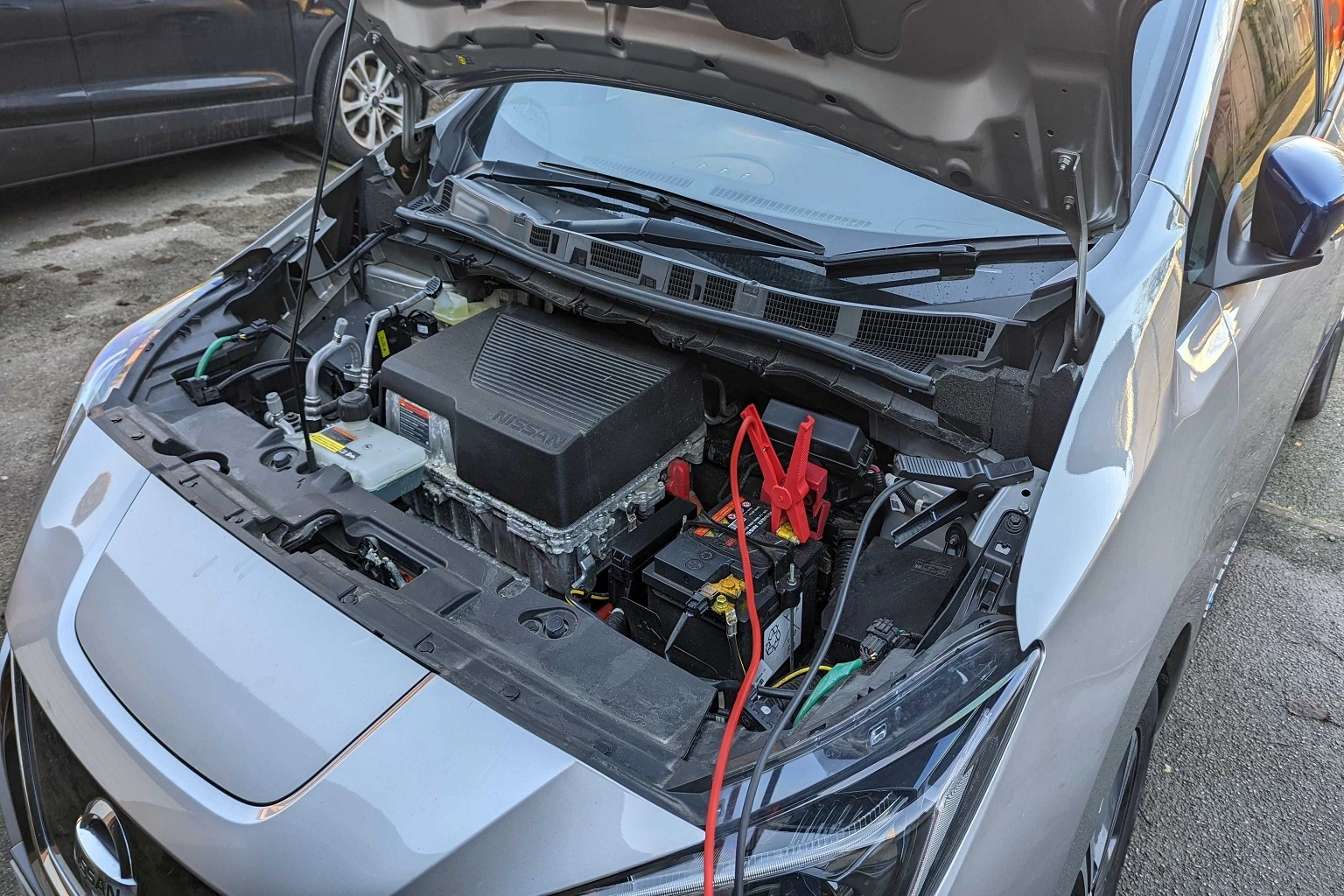
A jumpstart simply transfers power from a working battery (or a portable booster) to your dead one so the engine can turn over. Once the engine runs, the alternator recharges the battery as you drive. This works when the battery is healthy but was temporarily drained.
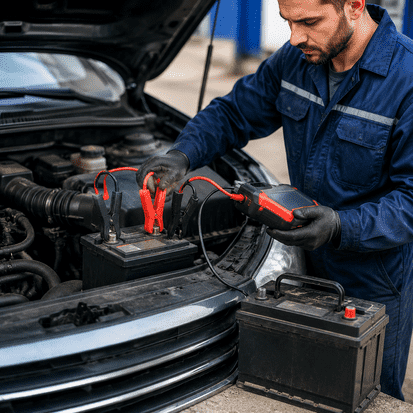
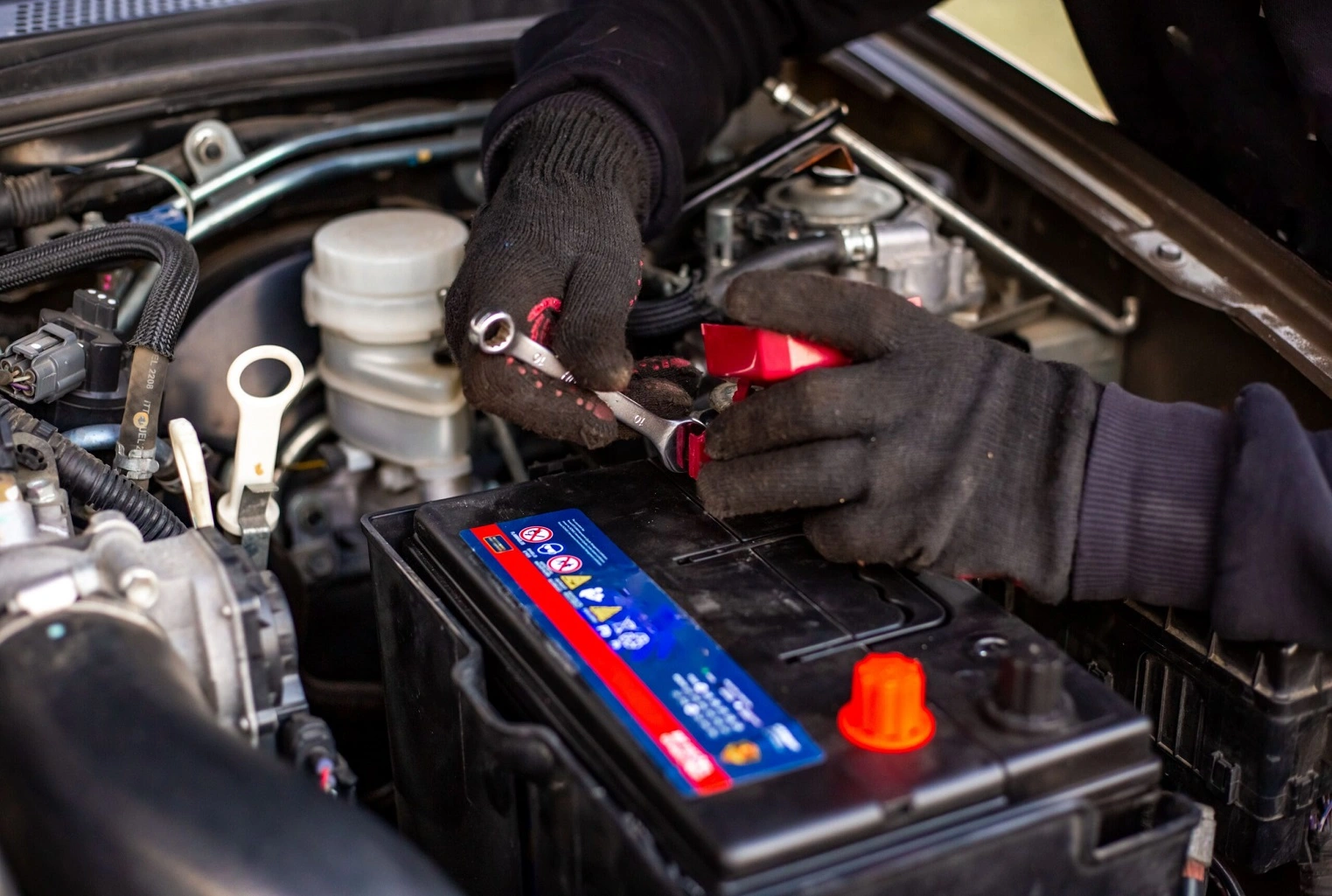
A battery replacement is needed when the battery itself can no longer hold or deliver a charge. No amount of jumping fixes a worn-out cell. The boost might start the car once, but the problem returns within hours or days.
So the core question isn’t really “can I start the car right now?” It’s “will this battery still work tomorrow?”
When a Jumpstart Is All You Need
A jumpstart is usually enough when the drain was caused by something external rather than the battery aging out. Common scenarios include:
- You left the headlights, interior light, or a door slightly open overnight.
- The car sat unused for a week or more and slowly self-discharged.
- A phone charger or accessory was left plugged in and pulling power.
- Cold weather temporarily reduced the battery’s output.
The telltale clue is recovery. After a jumpstart, drive for at least 20 to 30 minutes, then shut off and restart the car normally. If it fires up without hesitation, your battery was simply drained, not dying. A one-time boost from a battery jump start service in these cases will have you back to normal with no further action needed.
Signs You Need a New Car Battery
If you’re still asking do I need a new car battery after a jumpstart, watch for these red flags. They’re the clearest signs you need a new car battery rather than another boost:
1. Slow, Sluggish Engine Crank
When you turn the key and the engine cranks slowly or sounds like it’s struggling before catching, the battery is losing its punch. A healthy battery spins the starter quickly and confidently.
2. You’re Jumpstarting Repeatedly
This is the biggest one. If you need to jump the car more than once in a short span, the battery isn’t holding a charge. That’s a replacement, not a jumpstart problem.
3. The Battery Is Over Three Years Old
Most car batteries last three to five years, and far less in hot climates like the UAE, where heat accelerates wear. If yours is pushing that age and acting up, replacement is the smarter call.
4. Dim Lights and Electrical Glitches
Flickering headlights, a weak interior light, slow power windows, or a stereo that resets all point to a battery struggling to supply steady voltage.
5. A Swollen Case or Rotten-Egg Smell
A bulging battery case or a sulfur-like odor signals internal damage. Stop using it and replace it promptly.
6. The Battery Warning Light
That dashboard battery symbol can mean a charging issue. Don’t ignore it.
If several of these apply, knowing how to tell if your car battery needs replacement becomes straightforward: the battery is the problem, and another jump only delays the inevitable.
A Simple Test You Can Do Yourself
If you own or can borrow a digital multimeter, here’s a quick check on how to tell if a car battery needs replacement:
- With the engine off, touch the probes to the battery terminals.
- A healthy resting battery reads about 12.6 volts or higher.
- Around 12.4 volts means it’s partially discharged.
- Below 12.2 volts means it’s weak and likely failing.
Then start the engine. The reading should climb to roughly 13.7 to 14.7 volts, confirming the alternator is charging. If it doesn’t rise, your problem may be the alternator, not the battery. This is why a professional load test matters: it reveals whether the battery can perform under real demand, not just sit at a decent voltage.
Could It Be Something Other Than the Battery?
Yes, and this trips up a lot of drivers. A faulty alternator, corroded terminals, a parasitic electrical drain, or a bad starter can all mimic a dead battery. If your terminals are caked in white or blue corrosion, cleaning them might restore the connection. If the battery is new but keeps dying, the charging system deserves a closer look. When the diagnosis isn’t obvious, it’s worth having a technician confirm before you spend on a part you don’t need.
Conclusion
So, do you need a new battery or a jumpstart? Use the recovery test as your guide. If the car starts normally after a single boost and a short drive, a jumpstart was all you needed. But if you’re jumping it repeatedly, the battery is over three years old, or you’re seeing slow cranks and dim lights, those are signs you need a new car battery. Choosing battery replacement or jump start correctly saves you both money and the frustration of getting stranded twice. When in doubt, a quick voltage check or a professional load test settles the question fast.
Need a Jumpstart or Battery Check? We’ll Come to You
Stuck at the roadside or unsure whether it’s a battery or just a drain? Our team provides fast, reliable jump start service near you, with mobile technicians who can test your battery on the spot and tell you honestly whether a boost or a replacement makes sense. Explore the areas we serve and get back on the road today.
Frequently Asked Questions
1. How many times can I jumpstart a car before I need a new battery?
There’s no fixed number, but if you need to jump the same battery more than once or twice in a week, it can no longer hold a charge and should be replaced.
2. Will driving recharge my battery after a jumpstart?
Yes, if the battery is healthy. Drive for at least 20 to 30 minutes so the alternator can recharge it. If the car still won’t start afterward, the battery is failing.
3. How long do car batteries usually last?
Typically three to five years. In hot climates, expect the shorter end of that range because heat shortens battery life significantly.
4. Can a jumpstart damage my car? Done correctly, no. But connecting the cables in the wrong order or to the wrong terminals can cause sparks or electrical damage, which is why a proper booster or professional service is safer.
5. Is it the battery or the alternator?
If the car runs fine after a jumpstart but dies once switched off, it’s usually the battery. If it stalls while driving or the battery light stays on, suspect the alternator.
6. How do I tell if my car battery needs replacement without tools?
Watch for slow cranking, dim lights, repeated jumpstarts, a battery that’s over three years old, or a swollen case. Several of these together strongly suggest replacement.