

There’s a pattern I see every summer in Dubai. A battery that should have a few good years left simply gives up, not from age, but from months of sitting in a scorching engine bay. By the time the driver calls, the damage is already done. Understanding that pattern is the difference between replacing a battery on your terms and being stranded on the road.
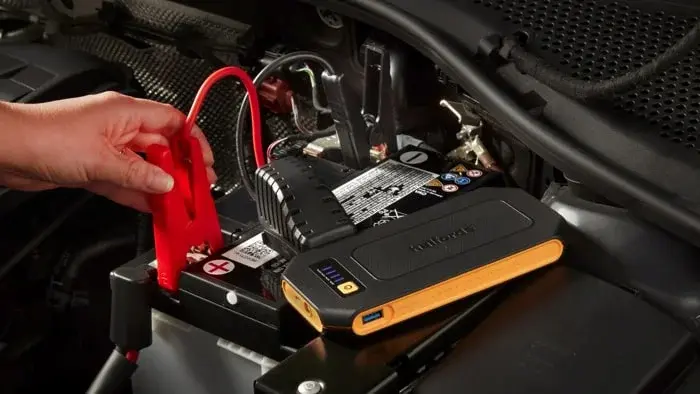
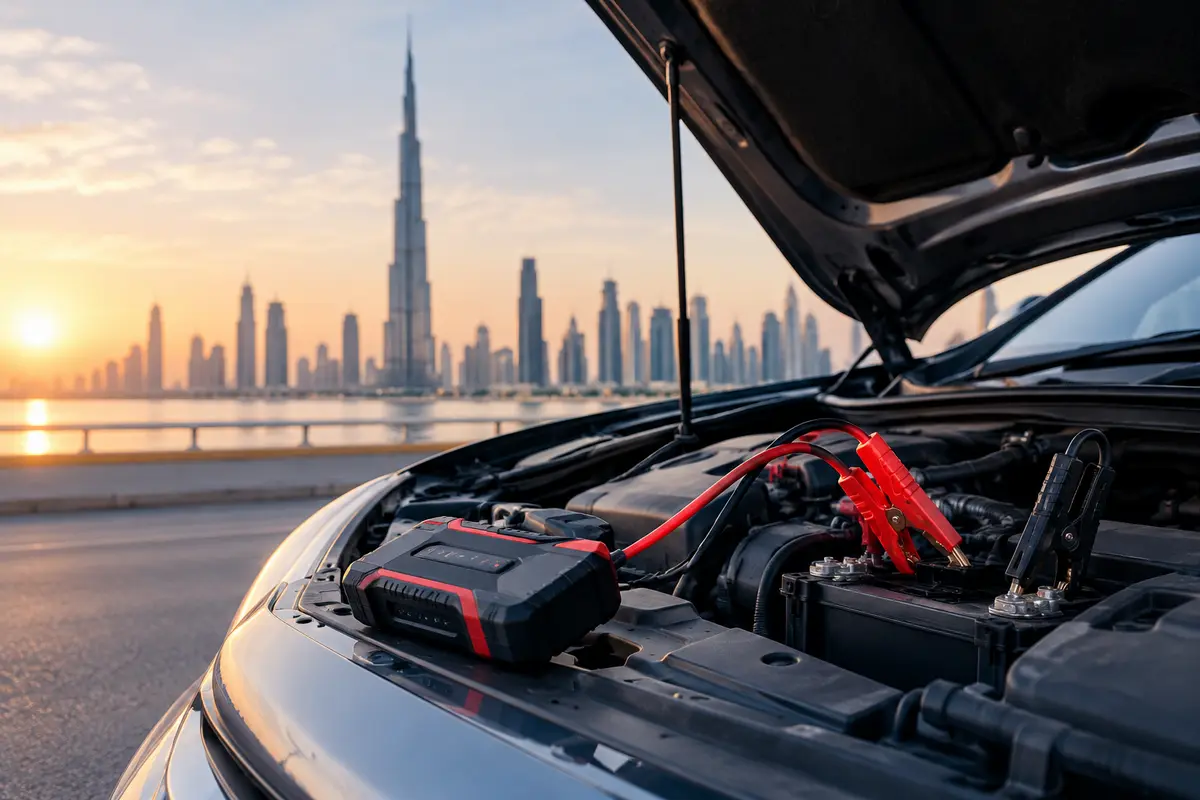
Extreme heat is the main thing that kills car batteries here. It speeds up fluid evaporation and internal corrosion, and the extra electrical load of summer adds to the strain. If a battery does fail, all it needs is a quick jump start in Dubai. But a few habits will stop it from happening in the first place.
Why Hot Weather Damages Your Car Battery
A car battery works through a chemical reaction, and heat speeds that reaction up. In the short term, that can even feel like a stronger start, but it comes at a cost. The faster those reactions run, the faster the battery wears itself out.
Three things go wrong:
- The fluid evaporates. Heat dries out the electrolyte inside the battery. Once the internal plates aren’t properly covered, the battery loses capacity.
- The plates corrode. High temperatures accelerate corrosion on the internal plates, which store and deliver the charge, so the battery gets weaker with every hot week.
- The strain adds up. In summer, your AC, fans, and electronics all pull harder, and a heat-stressed battery is already struggling to keep up.
The damage is cumulative and builds quietly over months. That’s why a battery often dies suddenly after a long, hot spell rather than during it.
Smart Driving Habits to Protect Battery Life
Your daily driving habits directly affect how long a battery lasts in the heat.
- Avoid relying on short trips. A 10-minute school run doesn’t give the alternator time to recharge what starting the car just used. Once a week, give the car a longer drive.
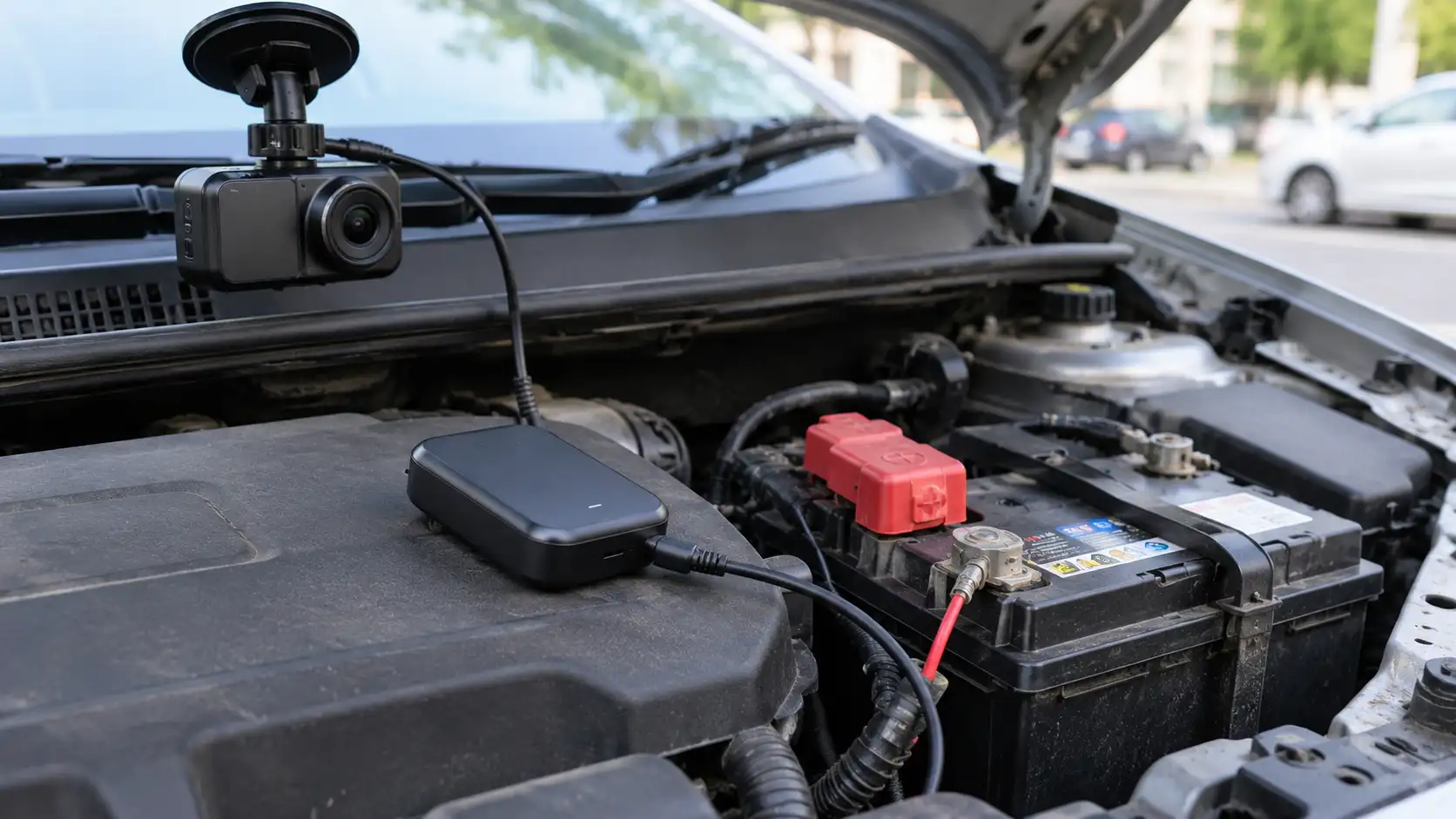
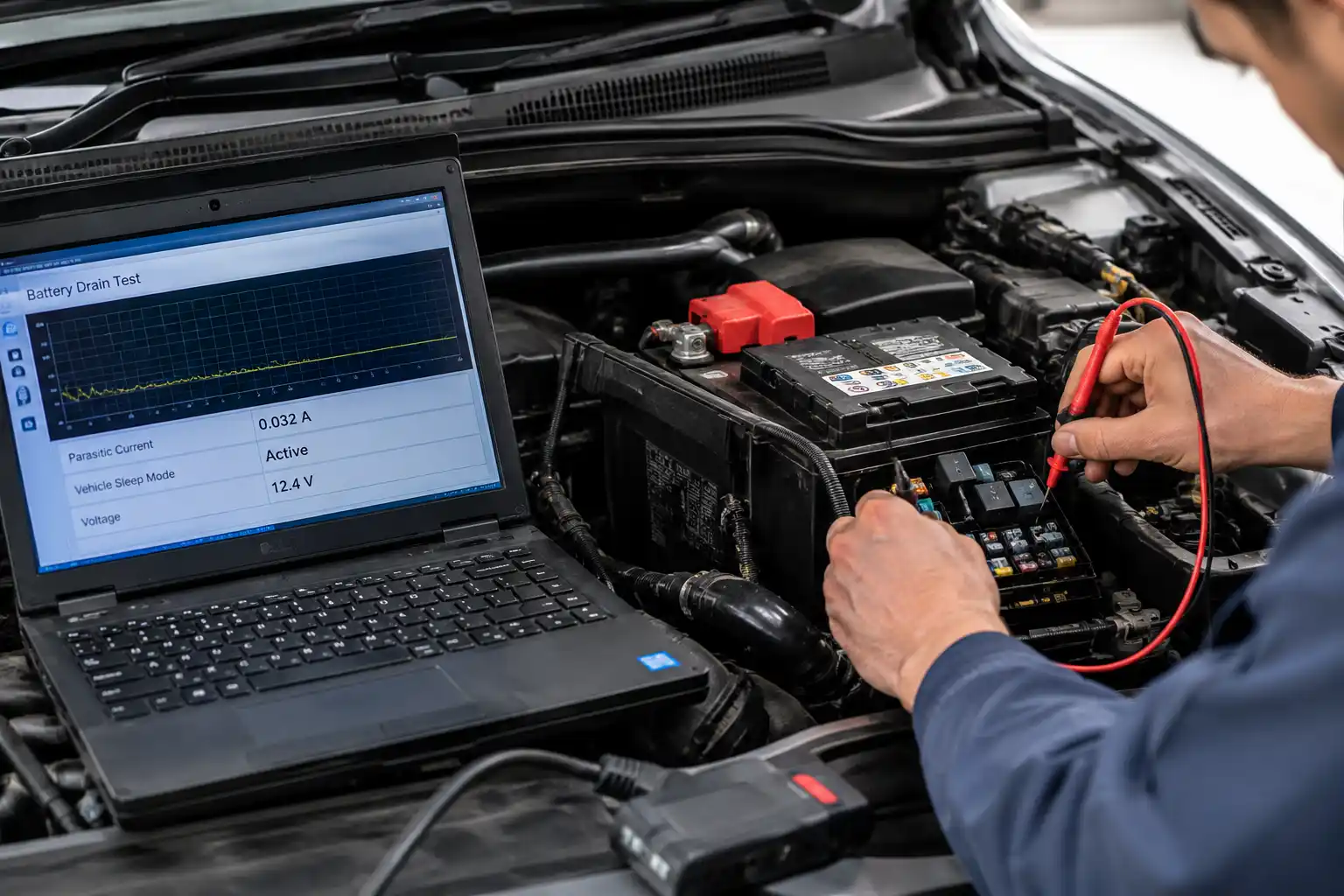
- Switch things off when the engine’s off. Dashcams, chargers, and interior lights can quietly drain the battery overnight, which is a classic parasitic drain.
- Don’t run the AC and electronics with the engine off. It drains the battery quickly.
Parking and Storage in Summer
Where the car sits matters almost as much as how it’s driven.
- Park in shade or underground whenever you can. Direct sun adds to the heat the engine bay already produces.
- If you’re leaving the country for the summer, a battery maintainer (a small charger that keeps the battery topped up) is better than letting it sit and slowly drain. Ask a friend to start and drive the car occasionally if a maintainer isn’t an option.
- Don’t leave the car unused for weeks without a plan. A battery left to self-discharge in the heat is a common reason cars won’t start after the holidays.
Essential Car Battery Maintenance Tips
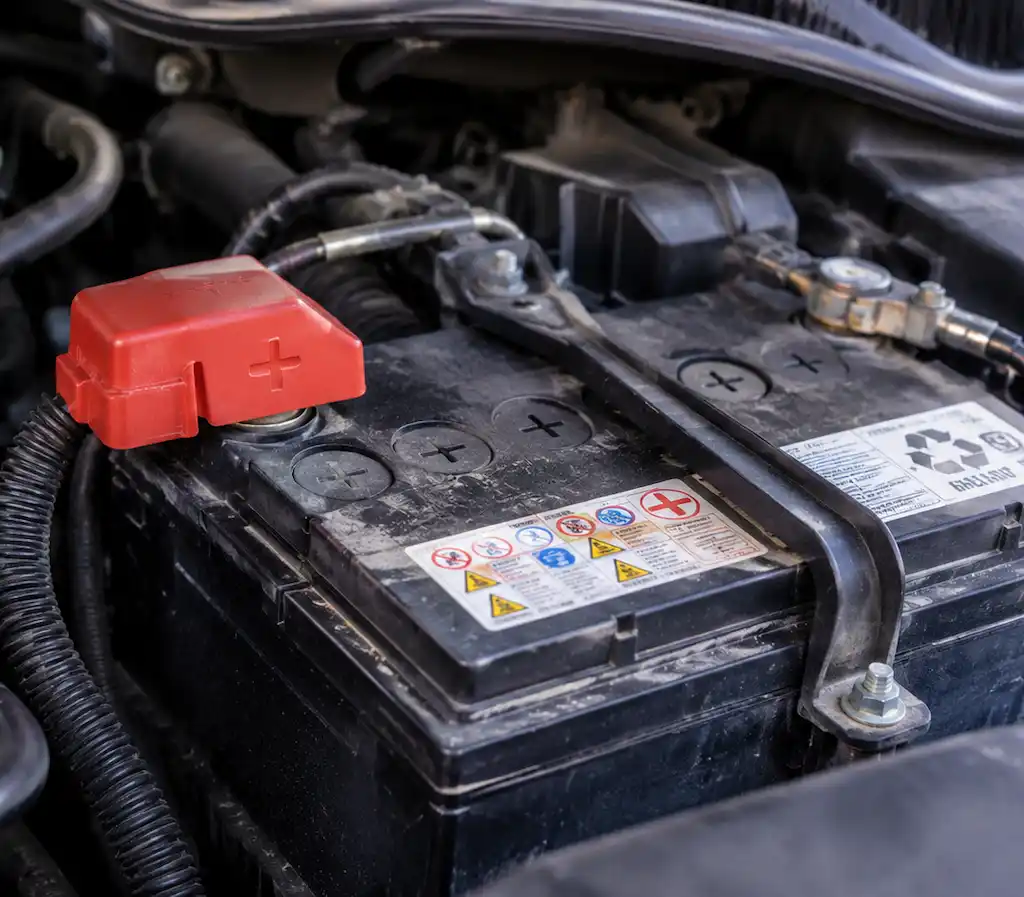
Dust and corrosion cause performance problems because they obstruct the connection.
Keep the Battery Clean
- Clean the terminals with a baking soda solution.
- Remove dirt build-up regularly.
Inspect Connections
- Check cables for damage.
- Make sure the terminals are tightly secured.
Test Battery Health
- Test the voltage every 6 to 12 months, and always before summer.
- Replace weak batteries before they fail. A technician can test the battery on site, wherever you’re parked, from car parks to areas across Dubai.
Warning Signs of Battery Failure in Hot Weather
Early signs can prevent a sudden breakdown:
- Slow engine start or weak cranking
- Dim headlights or electrical glitches
- A swollen battery case
- Frequent need for jump starts
If you’ve needed a car jump start in Dubai more than once this summer, the battery is probably heat-damaged and due for replacement rather than another jump.
Choose the Right Battery for Hot Climates
The right battery type makes a real difference to durability in high temperatures.
- AGM (Absorbent Glass Mat): Sealed and maintenance-free, AGM batteries generally cope well with heat and the repeated drain-and-recharge cycles of a Dubai summer. Many drivers do well with them, and cars with start-stop systems often require one.
- EFB: An upgraded flooded design that tolerates heat and cycling better than a standard flooded battery, and usually costs less than AGM. A reasonable choice if AGM is out of budget and your car allows it.
Gel batteries get recommended online, but they’re built for deep-cycle uses like solar and backup power, not the high cranking demands of a car engine in extreme heat.
When choosing, match the type and specification your car was designed for. Don’t swap an AGM-equipped car down to a cheaper type.
When to Replace the Battery Before It Fails
In hot climates, batteries often last only two to three years. If yours is approaching that age, get it tested before summer starts. If it’s weak, replace it on your schedule rather than waiting for it to fail at an awkward moment.
Conclusion
Heat doesn’t just affect your comfort. It directly shortens your battery’s life. Smart driving habits, sensible parking, regular testing and the right battery type take a lot of the risk out of a Dubai summer, and help you avoid many of the causes of a dead car battery before they leave you stranded.
Frequently Asked Questions
What is the typical lifespan of a car battery in hot climates?
Often around two to three years, compared with three to five in cooler places.
At what temperature does heat start damaging a car battery?
Damage speeds up as temperatures climb, and well before the extremes of a Dubai summer. Under-bonnet heat is higher than the air temperature.
Should I test my battery before summer?
Yes. A voltage test before the hottest months shows whether it can survive them, especially if it’s more than two years old.
Can I leave my car parked for weeks in summer?
You can, but the battery will slowly discharge. A battery maintainer, or someone to start and drive the car now and then, prevents a flat battery.
Is AGM really better for hot climates?
It’s generally a good choice, but follow your car’s specification, especially if it has a start-stop system.