

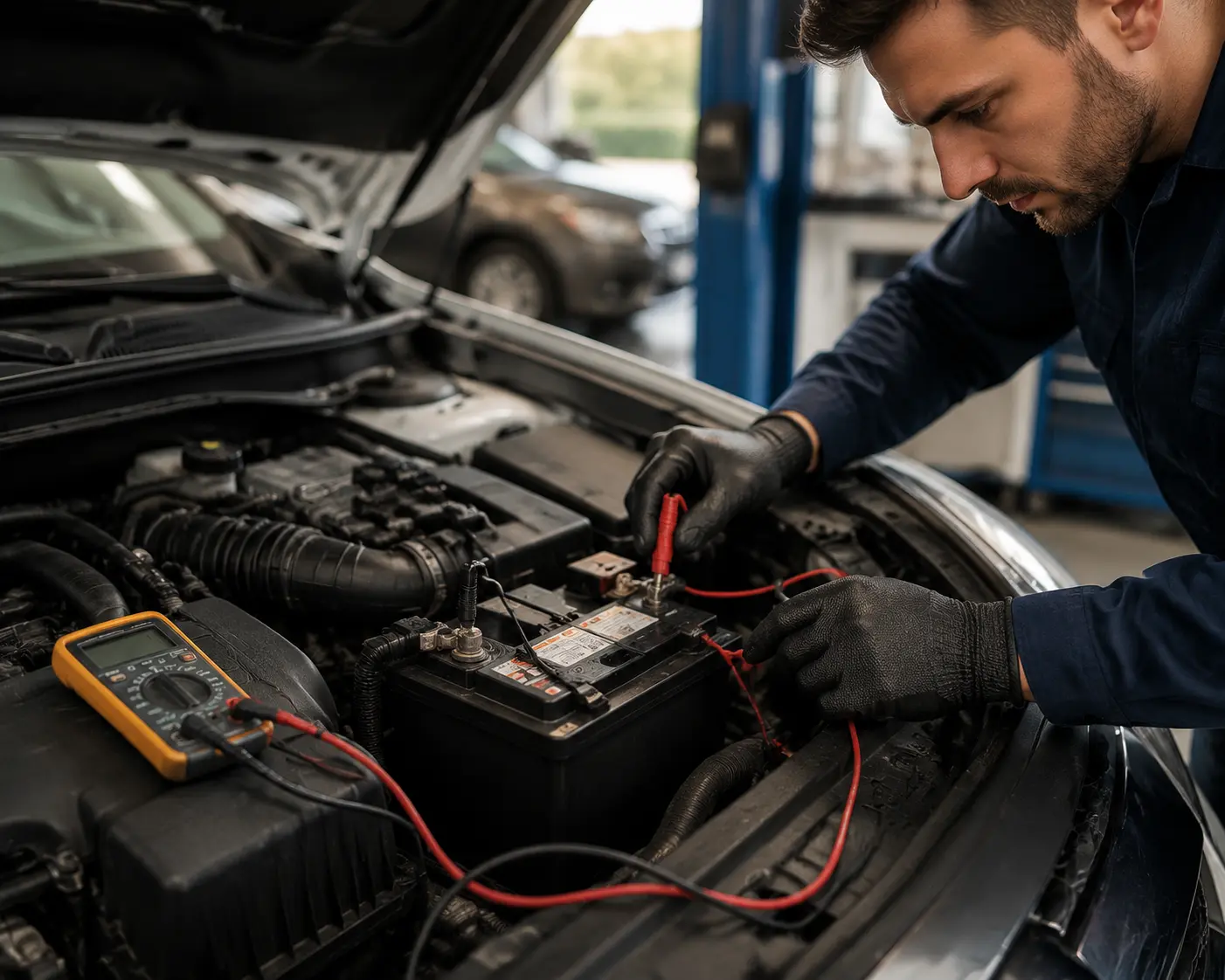


Quick Answer: To start an automatic car with a dead battery, connect jumper cables from a working car or use a portable jump starter to provide power. Once the engine starts, let it run for 15 to 20 minutes to recharge the battery.
One of the first questions I get on a dead-battery callout is, Can’t we just push-start it? and with an automatic, the answer is no, you can’t. I’ve met plenty of drivers who tried rolling theirs down a slope and got nowhere. The good news is that starting an automatic with a dead battery is genuinely simple once you know the right method, and it’s something you can do yourself with the right tools.
A flat battery never picks a convenient time I see them at homes, in office car parks, and on the roadside at every hour. If you’re caught without cables or a booster, a quick car jump start in Dubai will get you moving again. But if you’ve got the basic gear, here’s exactly how to do it safely on your own.
Why You Can’t Push-Start an Automatic Car
Automatic vehicles use a torque converter rather than a clutch. In manual cars, pushing the vehicle turns the engine through the transmission.
In automatic cars:
- The torque converter relies on engine power.
- The engine cannot turn without battery power.
- Rolling the car will NOT start it.
So if your battery is dead, you’ll need external power.
Method 1: How to Start an Automatic Car with Jumper Cables
This is the most common and reliable method.
What You Need:
- Jumper cables
- A second vehicle with a charged battery
Step-by-Step Instructions:
- Park Both Cars Safely
- Close enough for cables to reach.
- Do not let vehicles touch.
- Turn both cars off and engage the parking brakes.
2. Connect the Red (Positive) Cable
- Attach to the dead battery’s positive terminal (+).
- Attach the other end to the good battery’s positive terminal.
3. Connect the Black (Negative) Cable
- Connect to the good battery’s negative terminal (-).
- Attach the other end to an unpainted metal surface on the dead car.
4. Start the Working Car
- Let it run for 3 to 5 minutes.
5. Start the Dead Car
- If it doesn’t start, wait a few minutes and try again.
6. Disconnect in Reverse Order
- Remove the black cable first.
- Then remove the red cable.
7. Keep the Engine Running
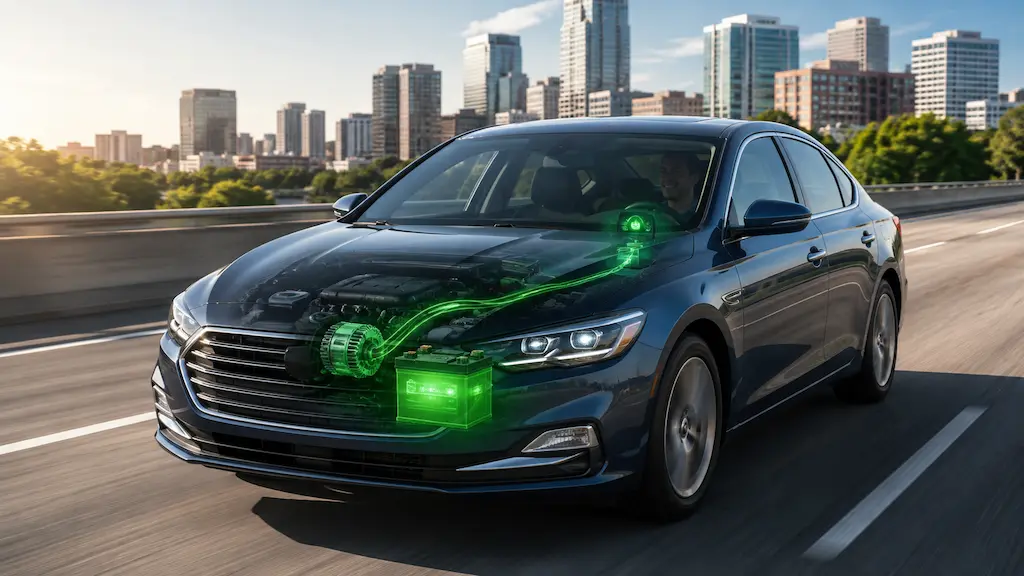
- Let it run for 15 to 20 minutes.
- Or drive the car to recharge the battery.
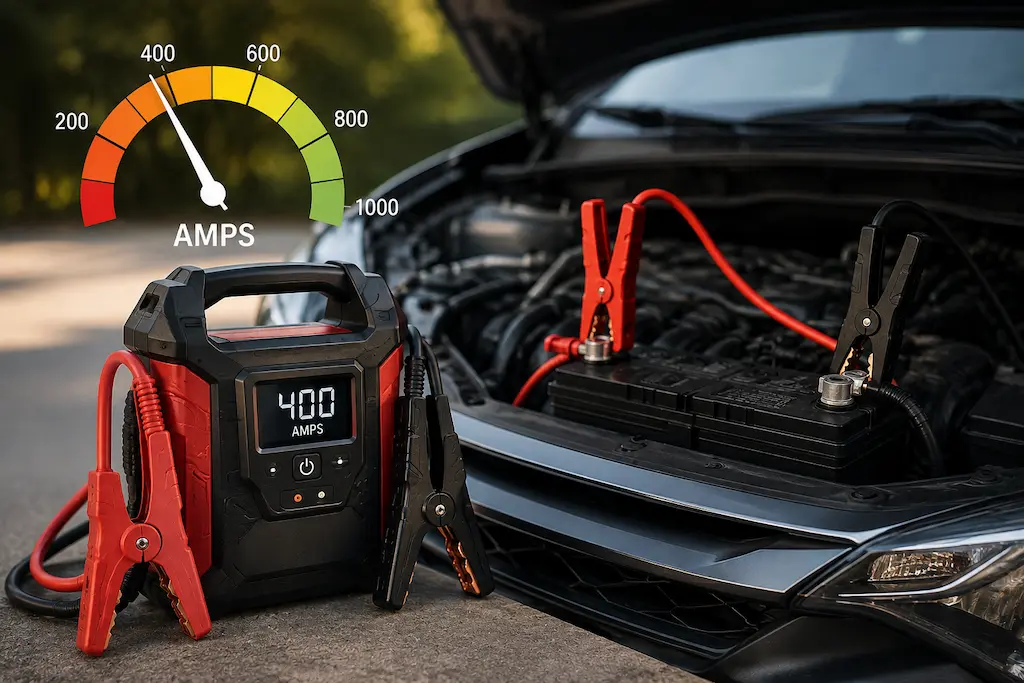
Method 2: Using a Jump Starter for an Automatic Car
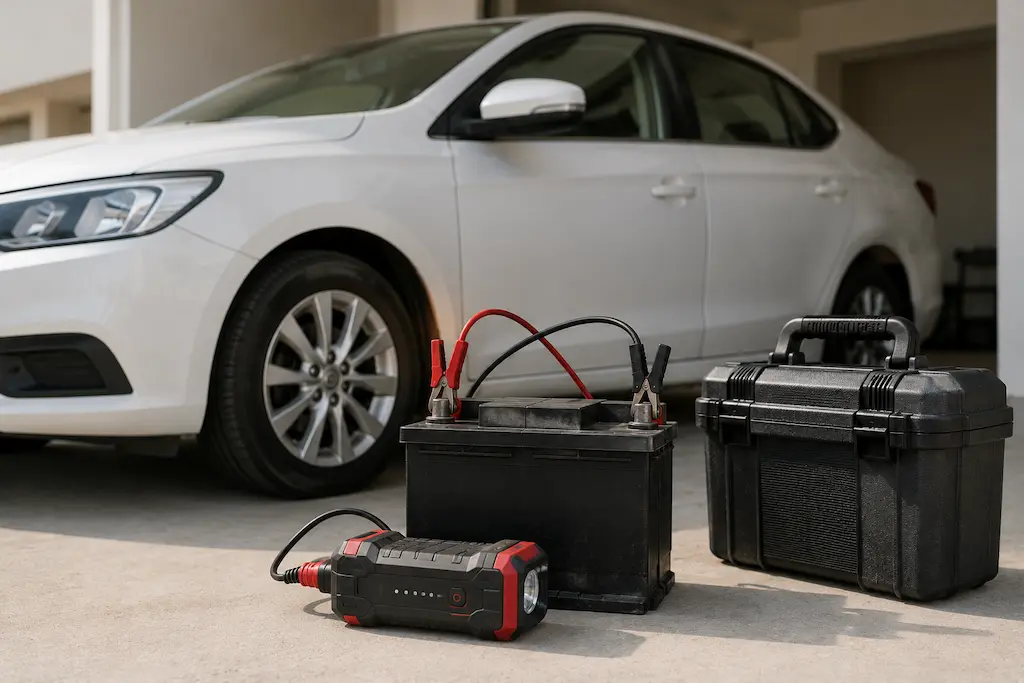
If no second vehicle is available, a jump starter for an automatic car is a lifesaver.
A portable battery booster for a dead car works like this:
- Turn off the car.
- Connect the red clamp to the positive terminal.
- Connect the black clamp to the metal ground.
- Turn on the jump starter.
- Start the vehicle.
- Disconnect clamps safely.
Portable boosters are safe, compact, and ideal for emergencies, especially if you don’t want to rely on roadside assistance or wait for a car jump start in Sharjah. Many drivers now keep one in their trunk for added peace of mind.
What If the Car Still Won’t Start?
If your vehicle does not start after multiple attempts:
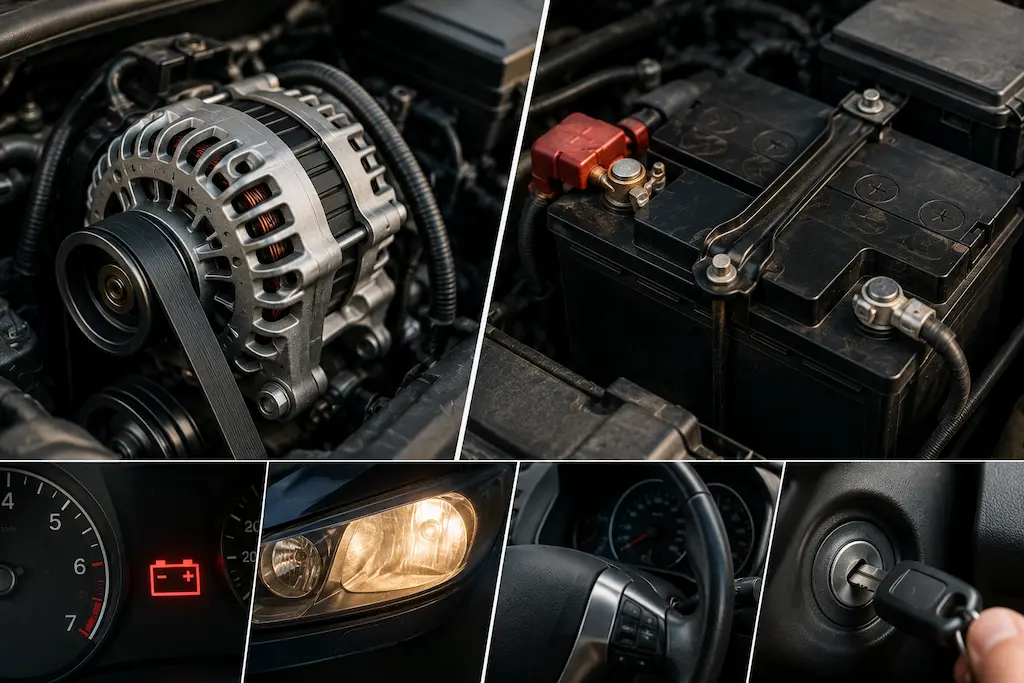
- Check if battery terminals are loose or corroded.
- Listen for clicking sounds (may indicate starter issues).
- If the headlights are very dim, the battery may be fully drained.
- If the battery is older than 3 to 5 years, replacement may be needed.
Repeated failure could mean:
- Faulty alternator
- Dead starter motor
- Completely failed battery
In such cases, consult a certified mechanic.
Dead Battery Car Starting Tips (Prevention Matters)
In my years on the road, I’ve found most dead batteries come down to simple, avoidable mistakes not faulty parts. A few small habits prevent the majority of the callouts I get:
Here are smart prevention tips:
- Turn off the headlights before leaving the car.
- Avoid short drives only.
- Replace old batteries proactively.
- Clean battery terminals every 6 months.
- Keep a battery booster for a dead car in your vehicle.
Cold weather also weakens batteries. If you live in colder regions, test your battery before winter.
Final Thoughts
Knowing how to start an automatic car with a dead battery can save you time, money, and unnecessary stress. Remember, automatic cars cannot be push-started; you must use jumper cables or a portable jump starter and always follow the correct connection order. After the engine starts, let it run long enough to recharge the battery properly, and consider following essential car battery maintenance tips to help prevent future breakdowns.
If the battery keeps dying, don’t ignore it; have it inspected or replaced to avoid future breakdowns. Staying prepared with basic tools and knowledge ensures that a dead battery becomes a minor inconvenience, not a major problem.
Professional Jump Start Service in Dubai
For a dead battery, a reliable jump start service in Dubai provides fast, safe, and expert assistance:
- Skilled technicians handle automatic and hybrid cars safely
- Quick response to get you back on the road
- Modern equipment ensures proper jump-starting
- Can diagnose underlying battery or charging issues
- Available at home, office, or roadside emergencies
Frequently Asked Questions
Can jump-starting damage an automatic car?
No, jump-starting is safe when done correctly using proper cable connections.
How long should I drive after jump-starting the car?
Drive for 15 to 20 minutes to recharge the battery through the alternator.
How do I know if my battery needs replacement?
If the car struggles to start frequently or the battery is older than 3 to 5 years, replacement may be needed.