
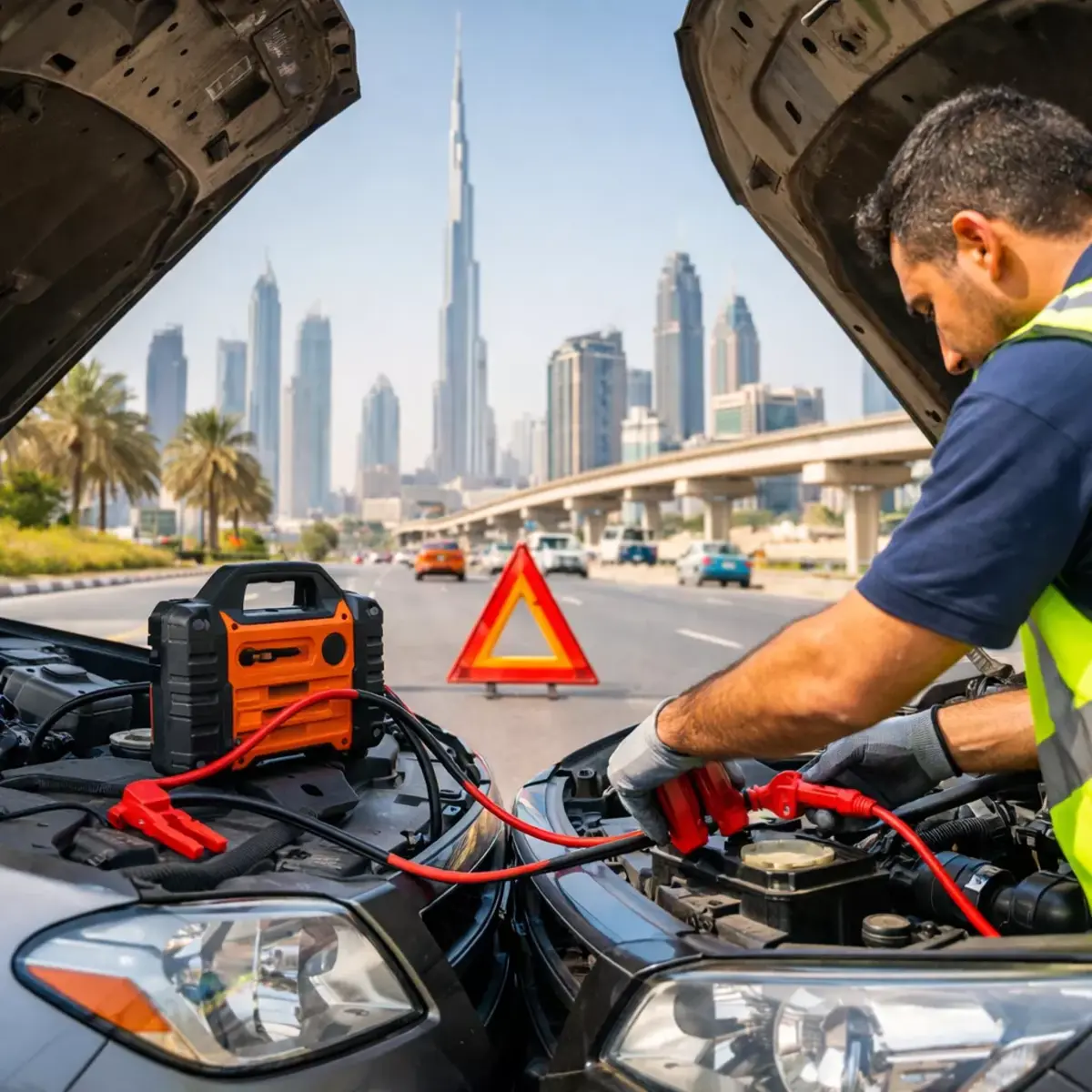

A dead car battery can happen to anyone. I’ve personally faced this situation more times than I’d like to admit, early mornings, tight schedules, and a car that simply won’t start. Over the years, when I was in Dubai, I learned that knowing how to jump-start a car with a battery charger is not just convenient, it’s an essential skill every car owner should have, especially during unexpected breakdowns, where Car Jump Start Dubai is often a familiar solution for drivers.
In this guide, I’ll share my hands-on experience, expert-backed steps, and safety tips to help you do it correctly and confidently.
Why Knowing How to Jump-Start a Car with a Battery Charger Matters
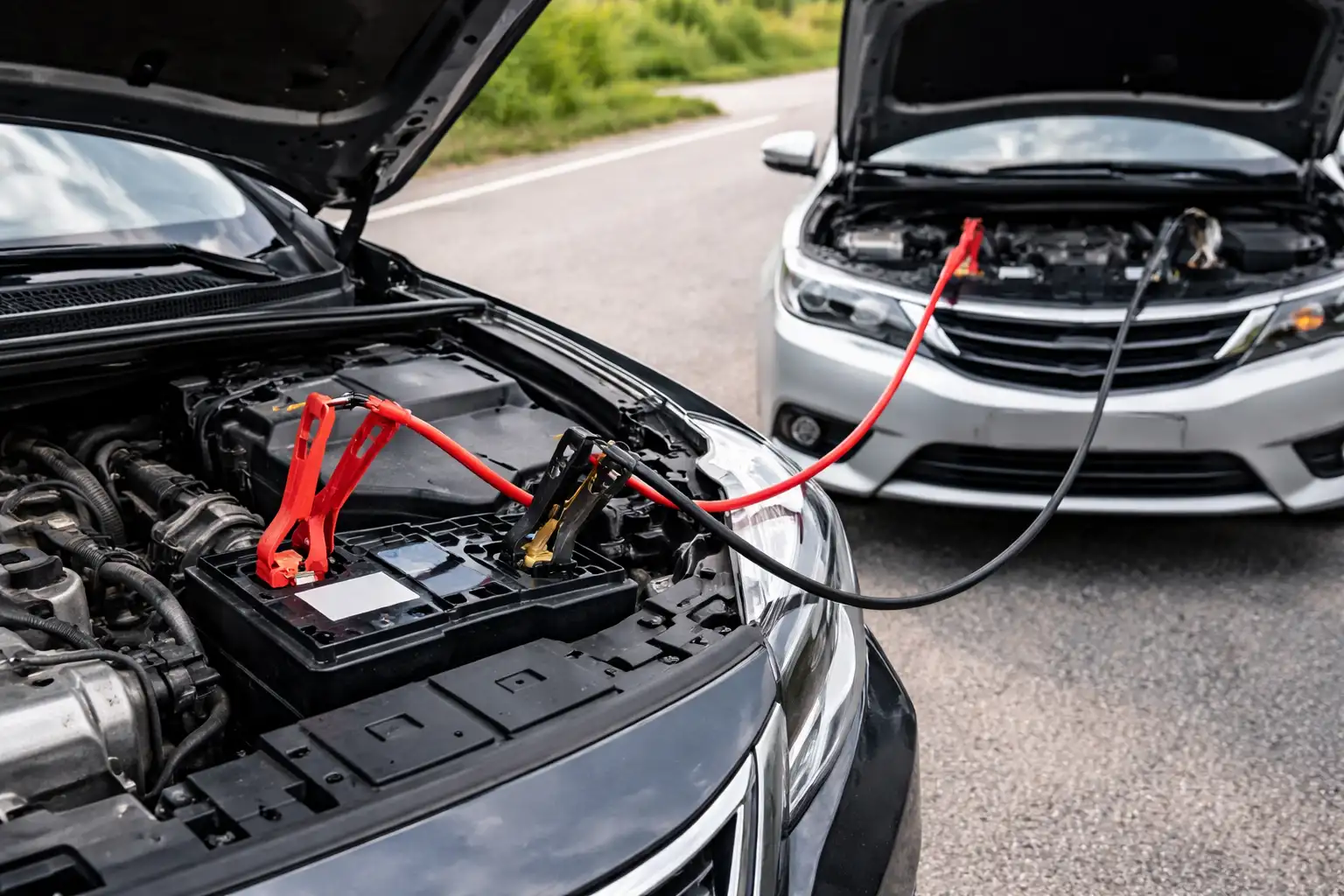
A battery charger is different from jumper cables. Instead of relying on another vehicle, a charger gives you independence. From my experience maintaining cars and assisting friends, using a charger is safer and more controlled, especially for modern vehicles with sensitive electronics.
Whether you’re at home or stuck on the roadside, this knowledge can save time, money, and stress.
Step-by-Step: How to Jump-Start a Car with a Battery Charger
Step 1: Safety Comes First
Before anything else, ensure:
- The car is parked on a flat surface.
- The engine is turned off.
- The charger is unplugged.
- You’re wearing gloves if possible.
I’ve seen people rush this step, and that’s where problems start.
Step 2: Locate the Battery
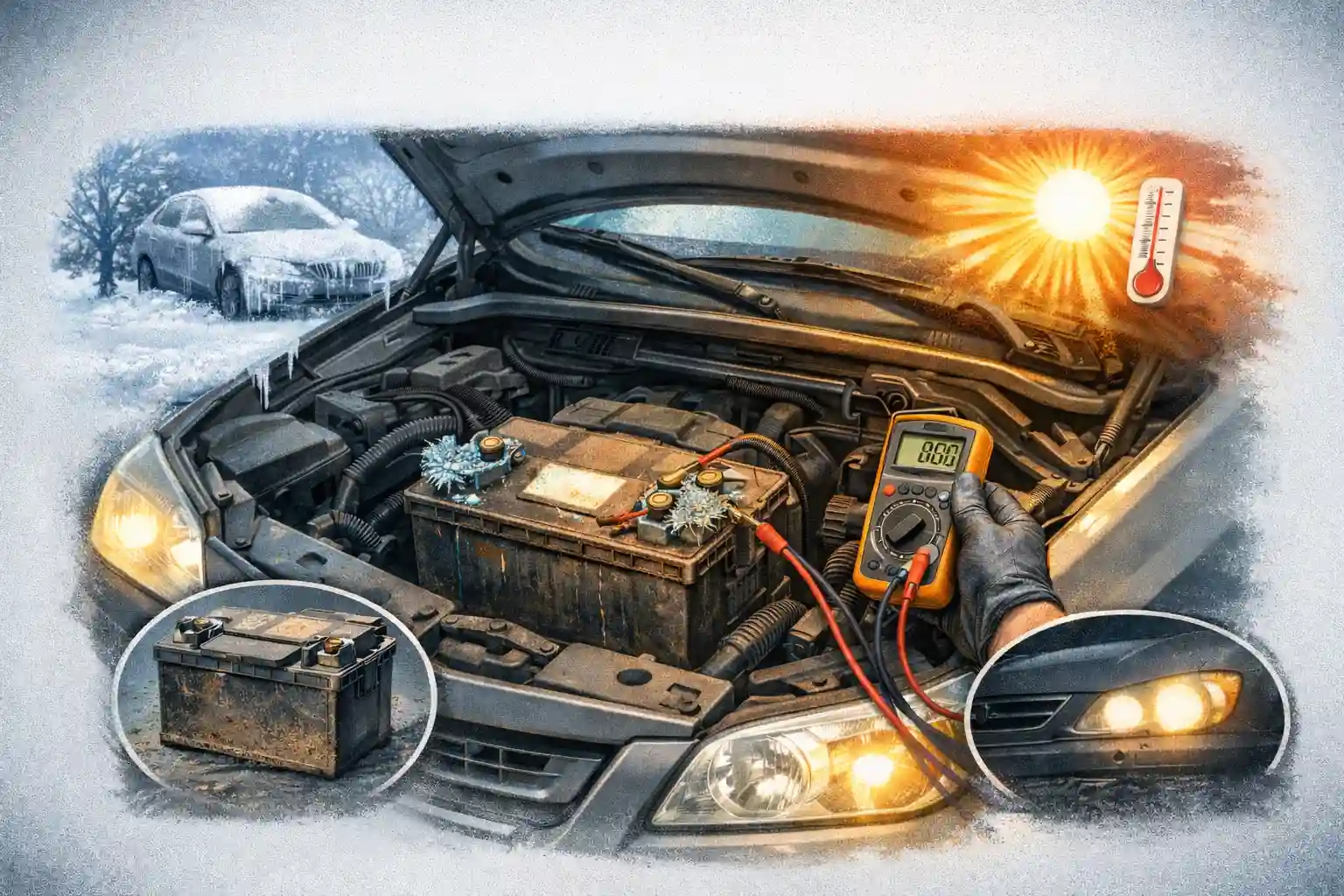
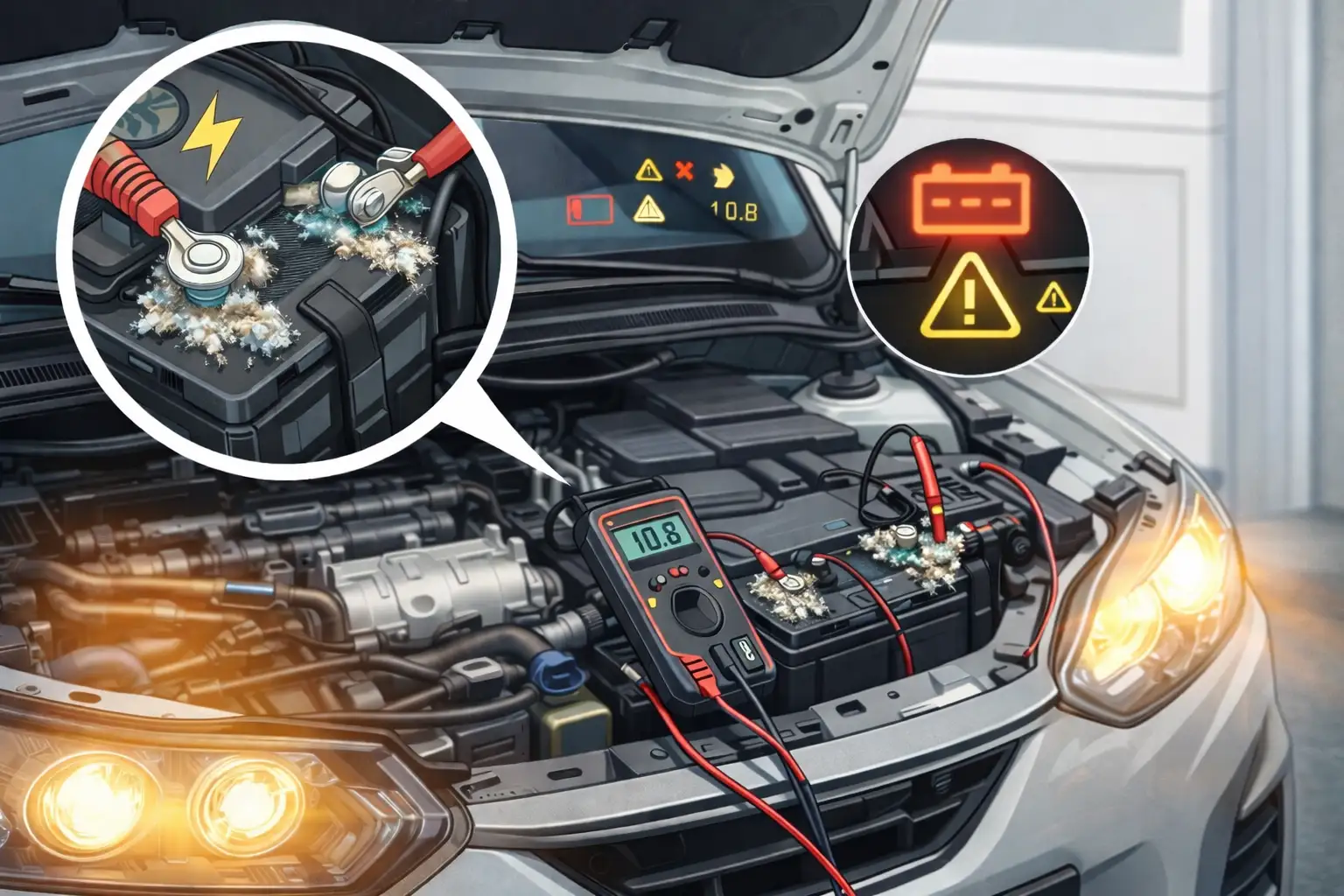
Open the hood and find the battery. Check for corrosion, cracks, or leaks. If the battery looks damaged, stop immediately and seek professional help.
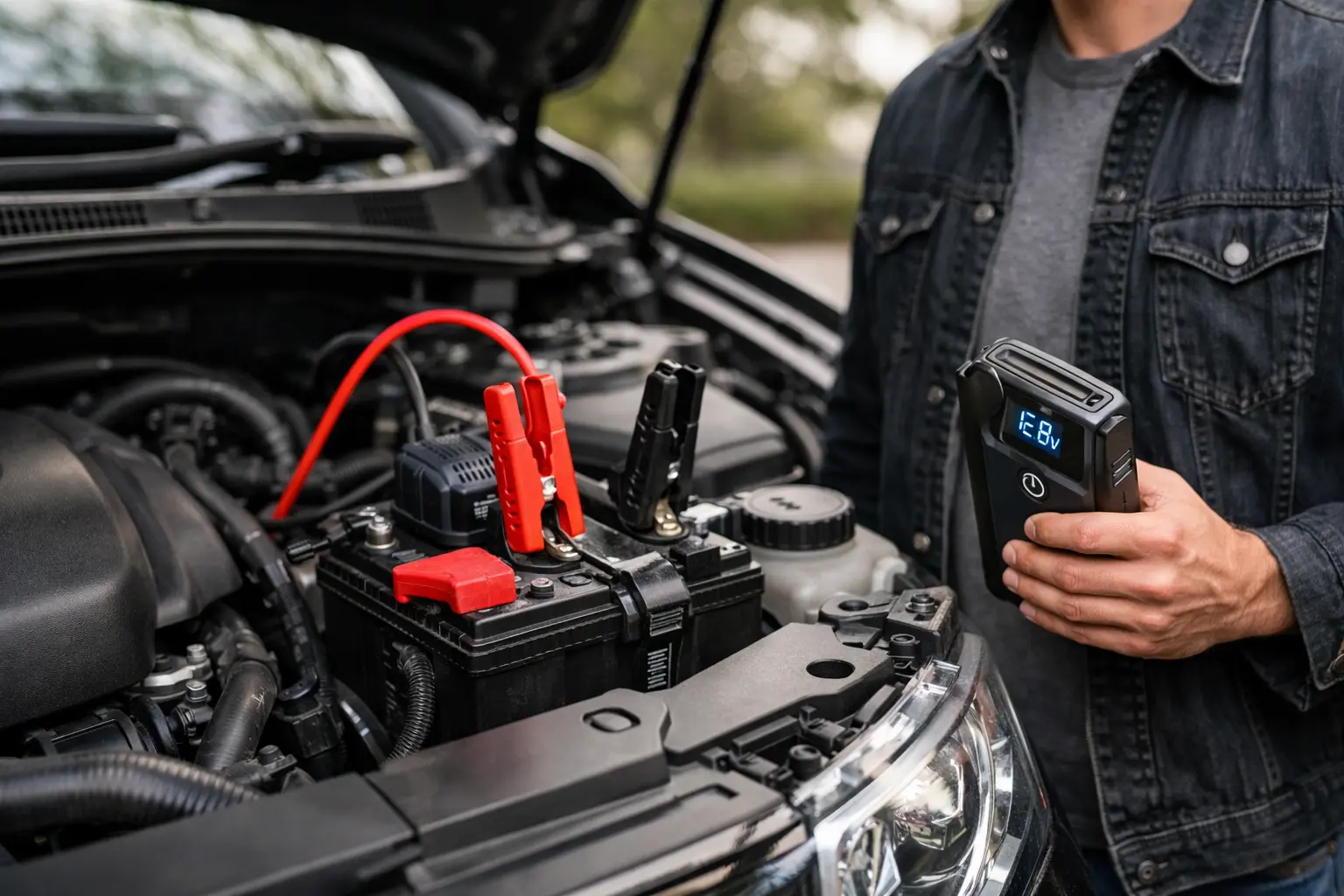
Step 3: Connect the Charger Correctly
This is crucial:
- Connect the red clamp to the battery’s positive (+) terminal and the black clamp to the negative (-) terminal, making sure they don’t touch.
From experience, loose connections are the most common reason charging fails.
Step 4: Set the Right Charging Mode
Most modern chargers have modes like:
- Standard charge.
- Fast/boost charge.
- Maintenance mode.
For a quick start, use the boost or jump-start mode if available. Otherwise, charge for 10 to 20 minutes.
Step 5: Start the Car
Once charged:
- Unplug the charger.
- Remove clamps (black first, then red).
- Start the engine.
If it starts smoothly, let it idle for at least 10 minutes.
Common Mistakes I’ve Learned to Avoid
Through trial and error, here’s what not to do:
- Don’t reverse the clamps.
- Don’t overcharge the battery.
- Don’t start the engine while the charger is plugged in (unless specified).
- Don’t ignore warning lights.
Avoiding these mistakes improves battery life and prevents damage.
When to Seek Professional Help
Sometimes, jump-starting isn’t enough. If your car repeatedly fails to start, the battery or alternator may be faulty. In such cases, based on my own experience in Sharjah, I recommend calling professional roadside services like Car Jump Start Sharjah, especially if you’re stranded or unsure about handling electrical components safely.
Expert Tips to Keep Your Battery Healthy
Based on years of car handling:
- Drive your car regularly.
- Turn off lights and accessories when parked.
- Have your car battery inspected at least once or twice a year to ensure it’s in good condition.
- Replace batteries older than 3 to 4 years.
These small habits significantly reduce breakdowns.
Conclusion: Confidence Comes with Knowledge
Learning how to jump-start a car with a battery charger has saved me countless times and helped others, too. It’s a practical, beginner-friendly skill that builds confidence and keeps you prepared for unexpected situations. With the right steps, safety awareness, and a bit of patience, anyone can jump-start a car safely and avoid common mistakes that could damage the battery or vehicle electronics.