

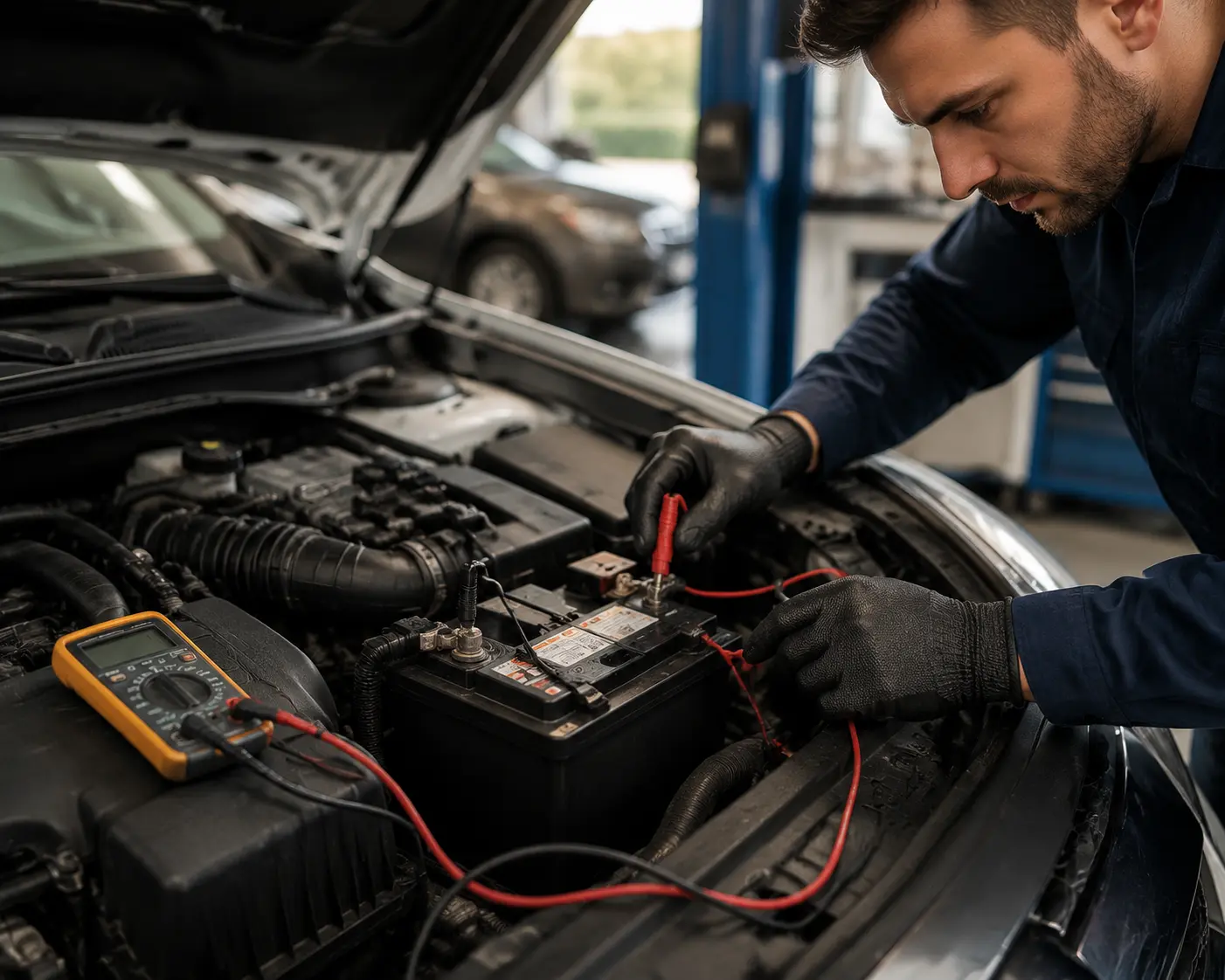


There’s a belief I run into constantly in Dubai: that jump-starting a car is the same simple job it was twenty years ago clamp the cables, rev the engine, done. On an older car, fair enough. But on a modern one packed with control modules, a careless jump can cost you far more than the battery ever would, which is exactly why “should I do it myself or call someone?” is a smarter question than most drivers realise.
So in this guide I’ll give you the honest version: when a DIY jump-start is genuinely fine to do yourself, when it’s a false economy, and how to do it safely either way.
How DIY Jump-Starting Works
If you have jumper cables and a second running vehicle, you can usually jump-start a car yourself in about five to ten minutes. The method is straightforward but the order you connect the cables matters, because getting it wrong can spark near the battery or send a voltage spike through your car’s electronics. Here’s the process I follow, step by step.
Before you start a quick safety check:
Never jump-start a battery that’s cracked, swollen, leaking, or smells of sulfur (a rotten-egg odour) in Dubai’s heat, which signals internal damage, and it’s a job for a professional, not jumper cables. On modern or luxury cars with sensitive electronics, when in doubt, it’s safer to call for help than to risk a costly fault.
1. Position the vehicles:
Park the two cars close enough for the cables to reach, but never touching. Switch both off, put them in Park (or neutral for a manual), and engage the parking brakes.
2. Identify the terminals:
Find the positive (+) and negative (−) terminals on both batteries positive is usually marked red, negative black. Confirm the markings before you connect anything; this is the step people rush, and it’s where reversed-clamp mistakes happen.
3. Connect the jumper cables in order:
Sequence is everything here:
- Red clamp → positive (+) of the dead battery
- Other red clamp → positive (+) of the donor battery
- Black clamp → negative (−) of the donor battery
- Final black clamp → a bare, unpainted metal ground on the dead car’s engine not the dead battery’s terminal
Grounding that final clamp away from the battery is the safe way to do it, because it keeps any spark clear of the battery’s gases.
4. Start the cars:
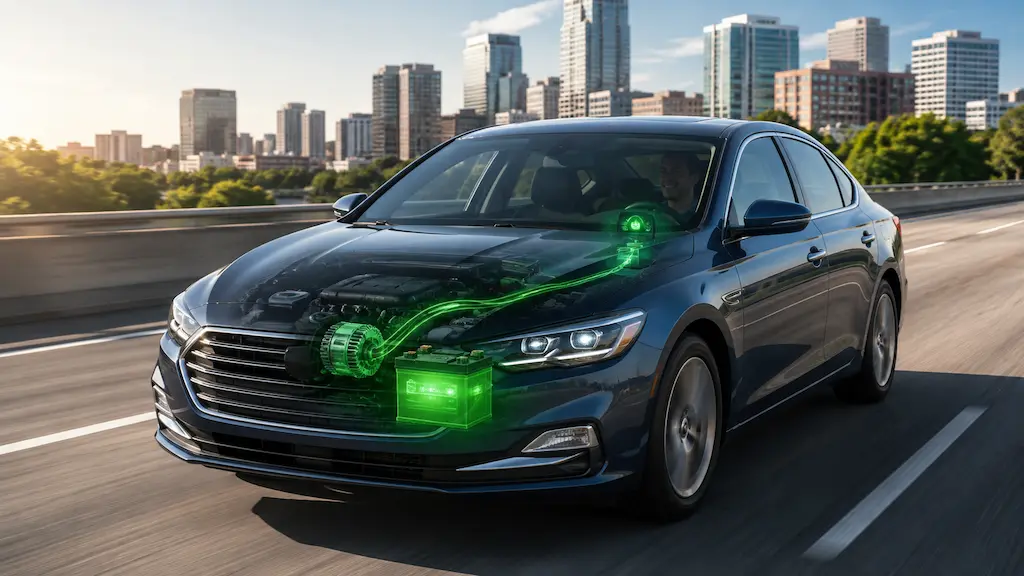
Start the donor vehicle first and let it run for 2–3 minutes to feed some charge across. Then try starting your car. Once it’s running, disconnect the cables in the reverse order and keep your engine running, or take a 20–30 minute drive, so the alternator can recharge the battery.
Safety Tips for DIY Jumpstarting
- Never touch the positive and negative clamps together; sparks can lead to injury or battery explosion.
- Ensure proper ventilation. Batteries release gases that can be harmful if inhaled.
- If unsure about any step, it’s safer to call a professional.
Pros and Cons of DIY Jumpstarting
Advantages:
Cost-Effective: If you already have cables and a willing helper, a DIY jumpstart avoids service fees.
Quick Fix: In the right conditions, it can get you moving immediately.
Drawbacks:
Requires Basic Knowledge: Incorrect cable connections can damage your car’s electronics.
Safety Risks: Mishandling cables can cause sparks, shocks, or even explosions.
Limited Problem Solving: A jumpstart fixes the immediate issue but doesn’t identify why the battery died.
Modern Car Compatibility: Some newer vehicles need specialized procedures, making DIY risky.
Why Professional Roadside Assistance Is Often Safer
Calling a professional towing or roadside assistance company offers peace of mind and added benefits:
1. Expert Handling:
Technicians are trained to jumpstart any vehicle safely and efficiently.
2. Right Equipment:
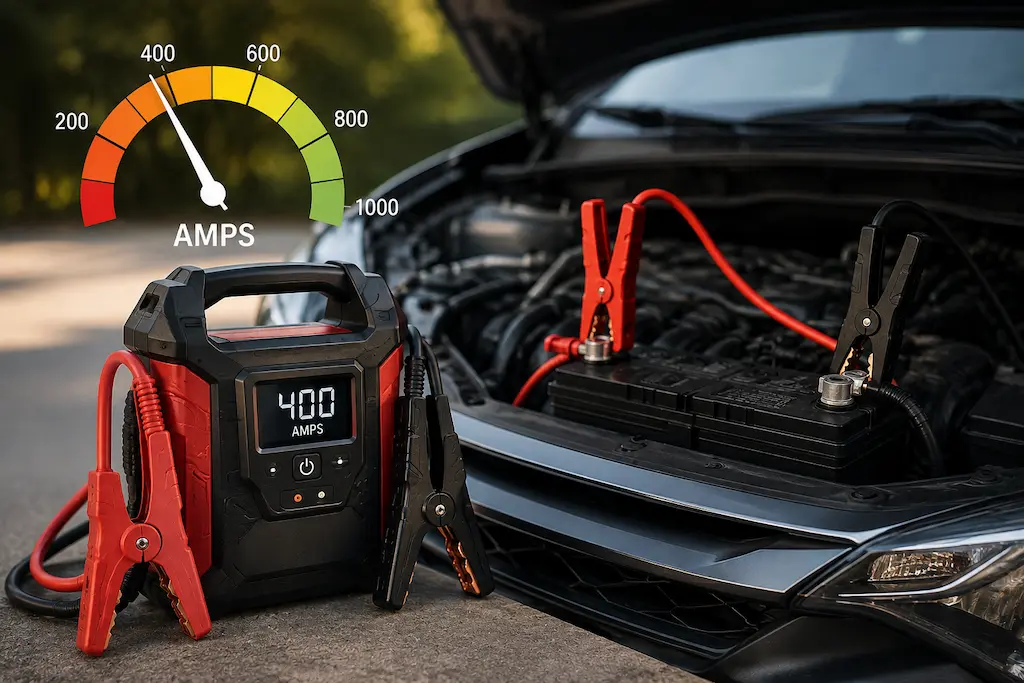
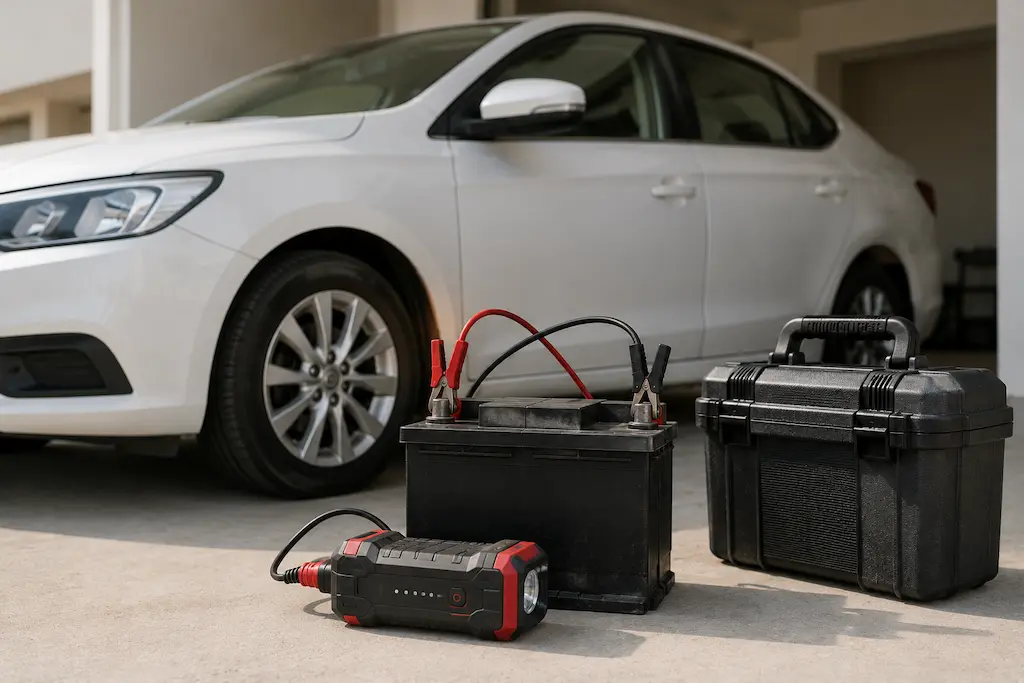
Pros carry high-quality cables and portable chargers capable of reviving even deeply drained batteries.
3. Diagnosis and Services:
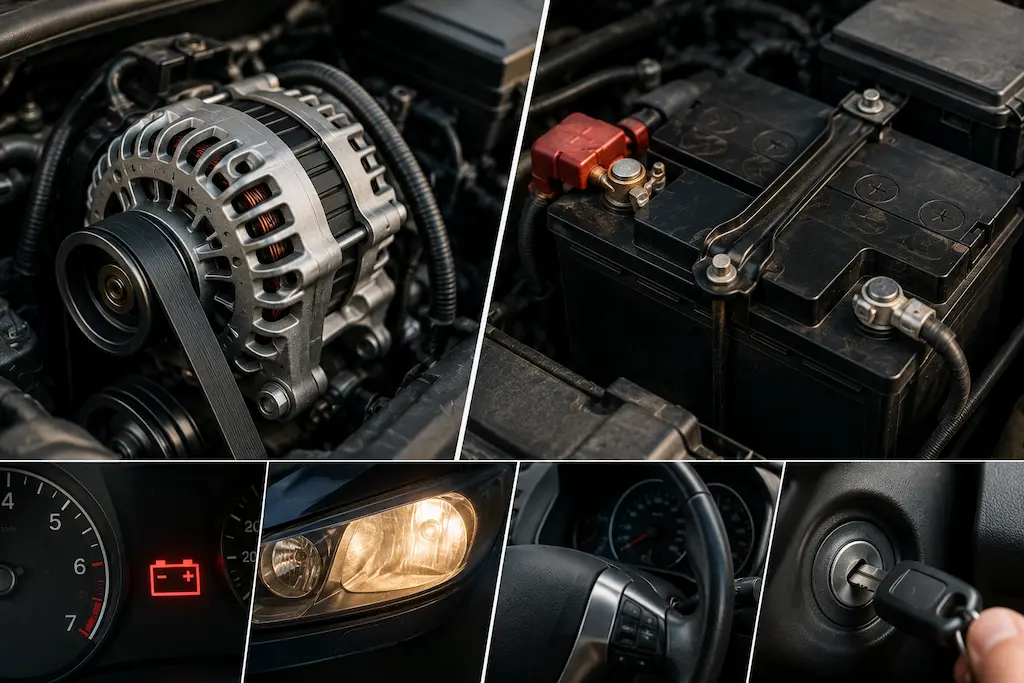
Beyond jumpstarting, they can identify the root cause of battery failure, like a faulty alternator, and even replace your battery if needed.
4. Stress-Free:
Waiting for a trained professional can be less stressful than attempting a risky DIY fix in an isolated location.
Which Option Should You Choose?
If you’re confident with basic car maintenance, have the right tools, and are in a safe location, a DIY jumpstart can be a convenient short-term solution. However, if you’re unsure, your car has advanced electronics, or safety is a concern, calling professional roadside assistance is the smarter choice.
Ultimately, the decision comes down to your comfort level, available resources, and the specific circumstances. While a DIY jumpstart in Dubai may save money, professional help ensures safety, proper diagnosis, and long-term reliability.
Final Thoughts
Dead car batteries can strike at the most inconvenient times, but knowing your options makes handling the situation much easier. Whether you opt for a DIY jumpstart or professional assistance, putting safety first and understanding your car’s needs is essential. For step-by-step guidance, it’s important to know how to jump start a Car Safely to get back on the road quickly and confidently.
Frequently Asked Question
Is it safe to jump-start a car yourself?
Usually yes, on a standard car with a healthy battery, if you connect the cables in the correct order. The risks come from reversed clamps, letting clamps touch, or jumping a damaged battery. On modern cars with sensitive electronics, a wrong connection can cause a costly fault, so care matters more than speed.
What’s the correct order to connect jumper cables?
Red clamp to the dead battery’s positive (+), the other red to the donor’s positive, black to the donor’s negative (−), then the final black clamp to a bare, unpainted metal ground on the dead car not its battery terminal. This keeps any spark away from the battery’s gases. Disconnect in reverse order.
When should I call a professional instead of doing it myself?
Call a professional if the battery is cracked, swollen, or smells of sulfur, if you don’t have cables or a second car, or if your vehicle is a modern or luxury model with sensitive electronics. It’s also the safer choice if the car repeatedly dies, which usually points to a deeper fault.
How long does it take to jump-start a car?
A DIY jump-start with cables and a donor vehicle usually takes about five to ten minutes, including letting the donor car run for two to three minutes first. A professional service in Dubai typically reaches you and has you moving within roughly 15 minutes, often without towing.
Can jump-starting damage my car’s electronics?
It can if done carelessly. Connecting clamps in the wrong order, reversing positive and negative, or letting the clamps touch can send a voltage spike through sensitive control modules. Following the correct sequence and grounding the final clamp to unpainted metal, not the battery, keeps the electronics safe.